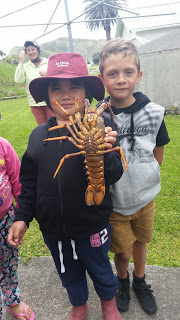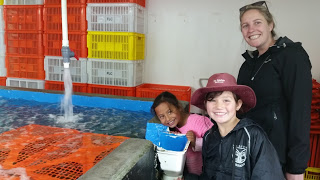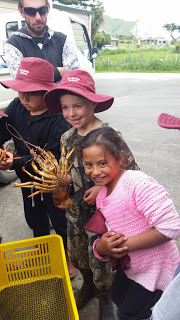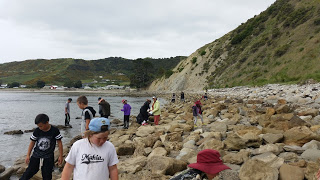
Room 1 students share their reef workshop learnings

The journey of the Crayfish

The journey of Crayfish

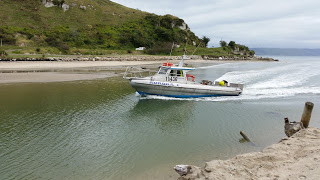
The journey of crayfish started in the sea but our day started down at Whangawehi as we waited patiently for the boat Aurora to come and dock down in the Jetty. Skippered by Selwyn and his crewman Tom they pulled into the jetty with baskets full of crayfish. The tamariki got a close up look of the crayfish in their baskets.

Both our journey and the crayfish’s journey carried on to Mahia Beach as we trailed behind Selwyn’s truck that carried the sea creatures. We got to view the holding pools where the crayfish were transferred into from the truck. Yvette weighed the catches in their baskets before they were put into the pools. The water in the holding pools had to be around 11 degrees to keep the crayfish from getting distressed. No more than 12kg of crayfish were put in each basket allowing room for the crayfish to move around. The holding pools that we viewed could fit up to two tonne of crayfish but the truck that transports them out of Mahia can’t hold as much crayfish therefore the number of trips per week varies.

When the crayfish are delivered to the depot in Masterton or Wellington they are graded A, B, C or D based on their size. Crayfish are then exported to other countries and are put into special chilly bins to hibernate. The temperature inside the chilly bin is lowered in order for the crayfish to hibernate and sleep. When the crayfish arrive at their destination the temperature in the chilly bin is increased resulting in the crayfish waking. Majority of the crayfish that leave our shores are exported to Asian countries, one in particular is China.

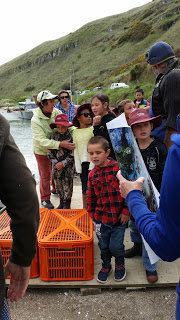
We all had an amazing day learning about crayfish. The tamariki also held a crayfish and loved posing holding them. We learnt interesting facts about crayfish and crayfishing too. A female crayfish has fins on the inside of its tail and that is where the eggs are kept. Around the beginning of October is when female crayfish start dropping their eggs. Two of the most important facts the children were told is you cannot take crayfish with eggs, and the legal size in which you can take a crayfish, is it has to measure at least 60mm across the tail.

Thank you Selwyn, Tom and Yvette for sharing your experiences and knowledge of crayfish, crayfishing, storing and exporting crayfish, and also to the crayfish where none were harmed in our journey!
20151014_105640 20151014_110050 20151014_114016 20151014_114425 20151014_114721 20151014_130547 20151014_131058 20151014_133616

Te Mahia school student enjoyed their reef workshop

A message from Nicky O’Brien, School Principal at Te Mahia and studenets

 Kiaora korua,

The children, staff, bus driver, parents – everyone, was absolutely buzzing about the session yesterday. Sandy Telford who drives the bus said she was in bed at 10pm last night trying to go to sleep and still going over all of what she had leant during the session. A very big successful day thank you Jenni. Once again working your magic.

http://www.temahiaroom2.blogspot.co.nz/2015/10/enviro-schools-beach-day.html

Today we had an amazing enviroschools trip.

It began with a trip down to Whangawehi where we met the Aurora, and their crayfish catch for the day. Rob and Selwyn where there to show us what they had caught for the day, and showed us how they loaded them onto the back of the truck.

From there they drove them around to Nanny Doi’s house where they have special crayfish pools. These pools are where the crayfish stay before being trucked down to Wellington, and from there they fly out to China.

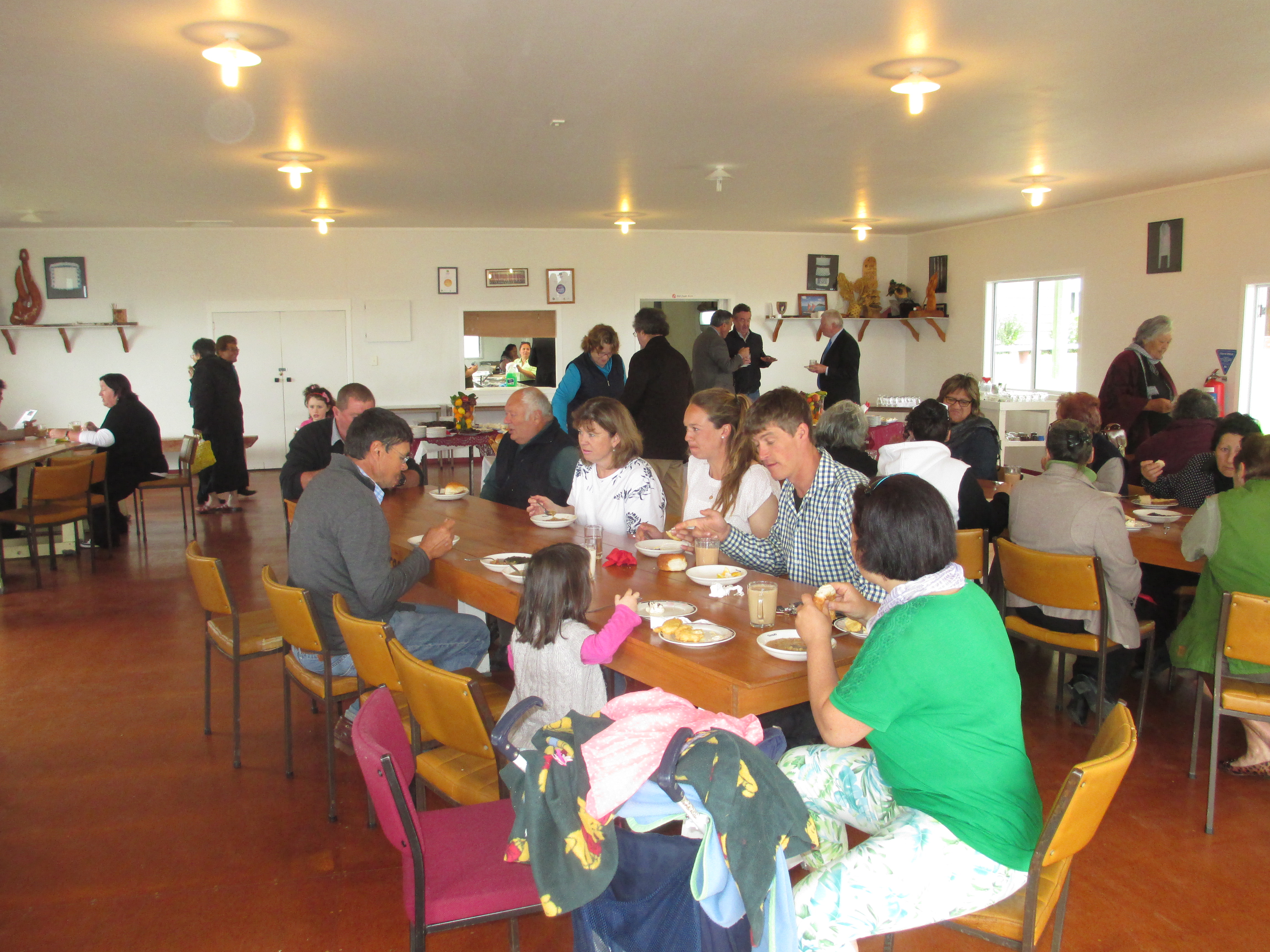
Once we had had a look at the crayfish in the pools, and asked Rob and Selwyn questions about the crayfish, we wandered around to the fishing club for lunch.

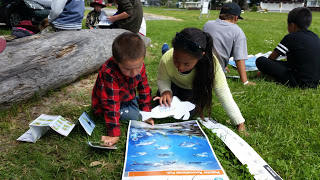
After lunch we had three different activities to head off and do. With Whaea Jenni we pretended to catch some “laminated” fish. We had to identify what fish we had caught and find our whether or not it was a legal size.
With Aunty Ali we learnt about how to get Paua correctly, and without harming them. We even had turns at shucking the paua. Aunty Ali had even cooked up some Paua for us all to sample! It was delicious.
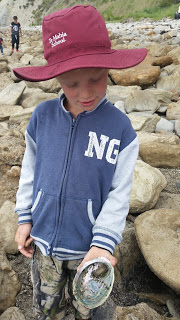
Nanny Rae was very kindly monitoring us all on the rocks and making sure we didn’t disappear around the point. We had a lot of fun finding limpets, and crabs, as well as avoiding the incoming tide!

It was so nice for us all to get out in this beautiful spring weather and make the most of all that is around us here in beautiful Mahia! We are all very lucky that all the information we learnt, we can now put into practice when we all go to collect our own kai moana.

Rae Te Nahu nominated to the New Zealander of the year.

Hi all,

Rae Te Nahu has been nominated for the New Zealander of the Year Award  for her dedication and commitment to the Mahia Community. Here’s the link to the Facebook post:

https://www.facebook.com/newzealanderoftheyear/photos/a.150994401650901.38053.147902845293390/884051478345186/?type=3&theatre

Feel free to share this post on your Facebook page and spread the word!

Tena koe


Whangawehi fundraising campaign : one month to go.

Hi all,

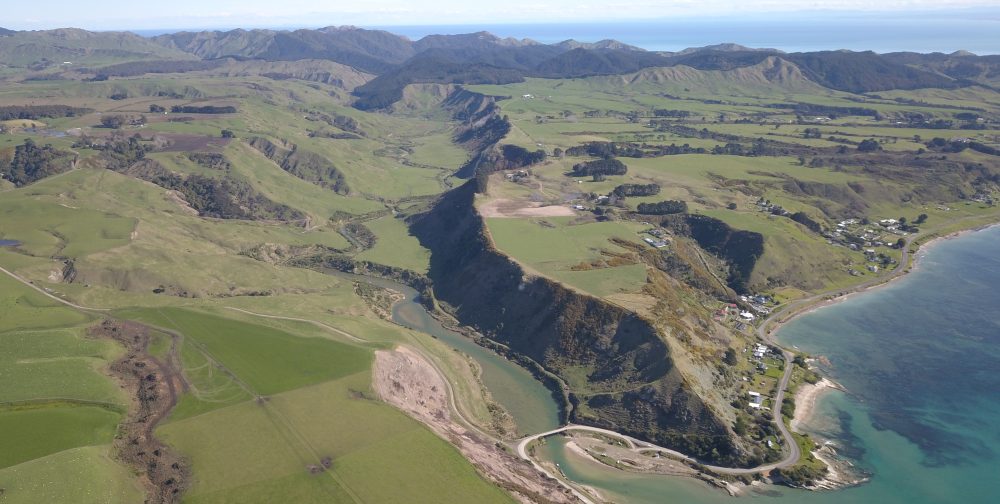
The Whangawehi Catchment Management Group started a fundraising campaign in June 2015 to fund the establishment of native trees along the Whangawehi river. We have already fundraised 63 % of our target with donations coming from all around the country.
We need your help before the end of October when our fundraising campaign ends. You can support us by promoting the campaign to your friends and neighbours or by donating on : http://millionmetres.org.nz/donate/.
Thank you for your help in improving water quality and biodiversity in our region.

Na mihi nui

Nic

La Communaute de Whangawehi (https://whangawehi.com/), petite bourgade de pecheurs eleveurs a forte composante Maori, a entrepris, il y a 2 ans la restoration de leur bassin versant situe sur la cote est de l’ile du Nord en Nouvelle Zelande. Le groupe a deja etablis plusieurs milliers d’arbres natifs de Nouvelle Zelande dans les zones de ripisylves mais le travail est immense. La campagne de recherche de financements debutee en Juin va se terminer a la fin du mois d’Octobre. Vous pouvez supporter notre cause en partageant notre ambitieux projet avec vos amis ou en effectuant une donation   http://millionmetres.org.nz/donate/
Grand merci pour votre aide.

Nicolas Caviale Delzescaux

Porteur de projet

One month left to go for the Whangawehi fundraising campaign

One month left to go!
Dear  Whangawehi supporters,

You probably know that back in June 2015, the Whangawehi catchment Management Groups started, in partnership with the Million Meter Stream Project, a Nation wide crowdfunding campaign to restore water quality and enhance biodiversity values along the Whangawehi river.IMG_6730

Become part of the solution to New Zealand’s water quality challenge by helping to restore the Whangawehi Catchment, on the Mahia Peninsula, Hawke’s Bay.

You can donate to one of our stream restoration projects today at http://millionmetres.org.nz/donate/

The Whangawehi Catchment Management Group (WCMG) was set up in 2011 to look after the freshwaters of the Whangawehi IMG_7415Catchment. Our work aims to improve freshwater quality and enable the return of tuna (eel) and inanga (whitebait) to the area. The waterways of this area are taonga to the people of Mahia Peninsula, they are important sources of mahinga kai, and keeping these waterways clean will keep the ocean clean too.

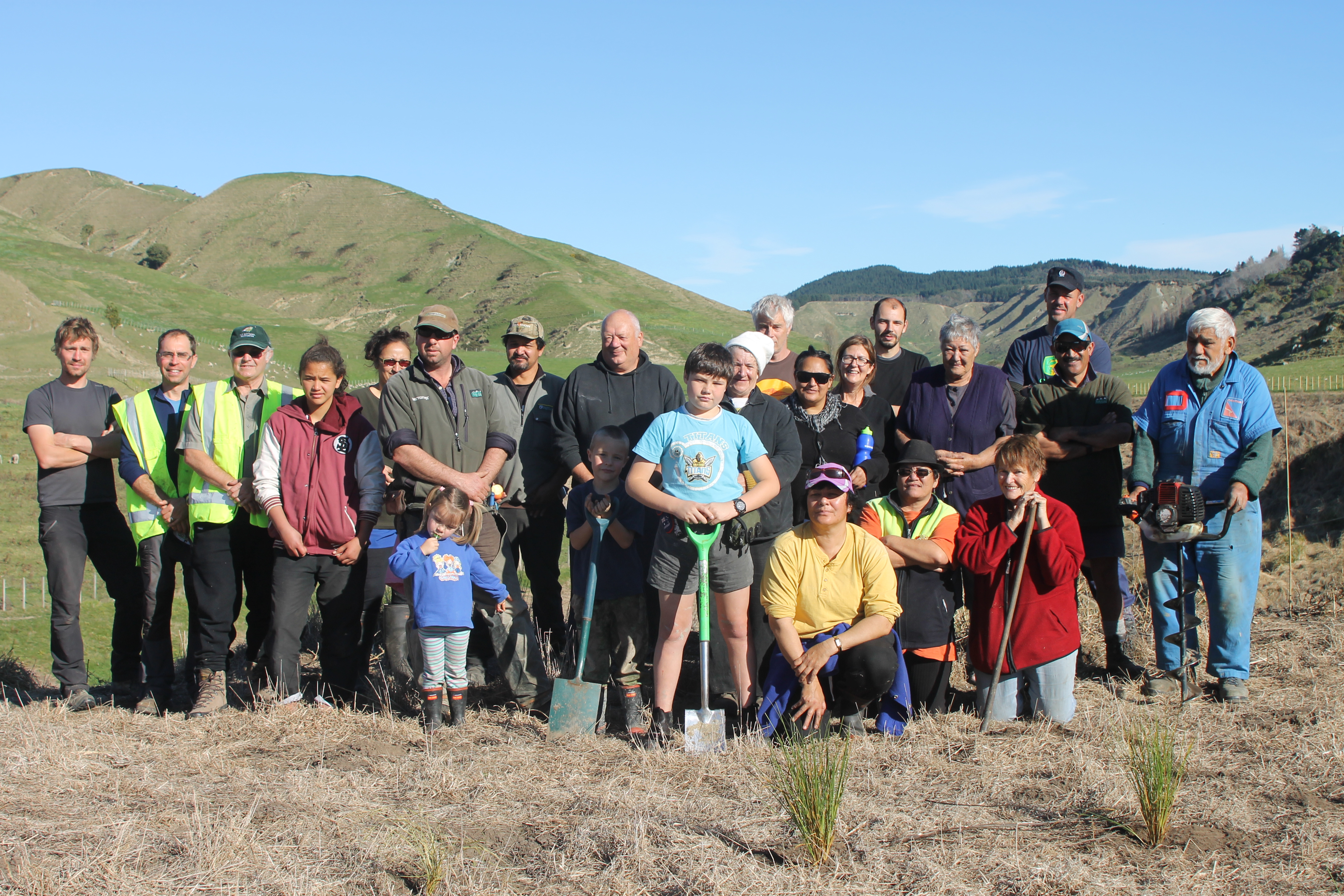
WCMG has already managed to achieve a lot to restore the health of the waterway – we’ve planted 69 0000 trees since we started in 2011 – but there’s still so much to do.

We are fundraising online now to help with the next stage of the Whangawehi restoration, which includes two stream bank planting projects: The Taharoa/Grandy Lake planting and the Pongoroa Station planting.IMG_5608

We’ve raised 63% of our target amount and now we have one month to go to get to 100%. You can help us restore Whangawehi catchment by: DSC_0072 (525x800)
• Going online and choosing a stream restoration project to support here: http://millionmetres.org.nz/donate/ (every dollar counts)
• Share this email with 5 or 10 friends and colleagues and ask them to share it too
• Share the link to our fundraiser online through Facebook or Twitter
• Or get your work or community group involved to run a fundraiser and then donate the proceeds at the link above

You can watch a video about the Whangawehi Catchment Management Group here:
http://millionmetres.org.nz/open-project/taharoa-whangawehi
Thanks so much for your support,

The Whanagwehi team

New Signing at Whangawehi

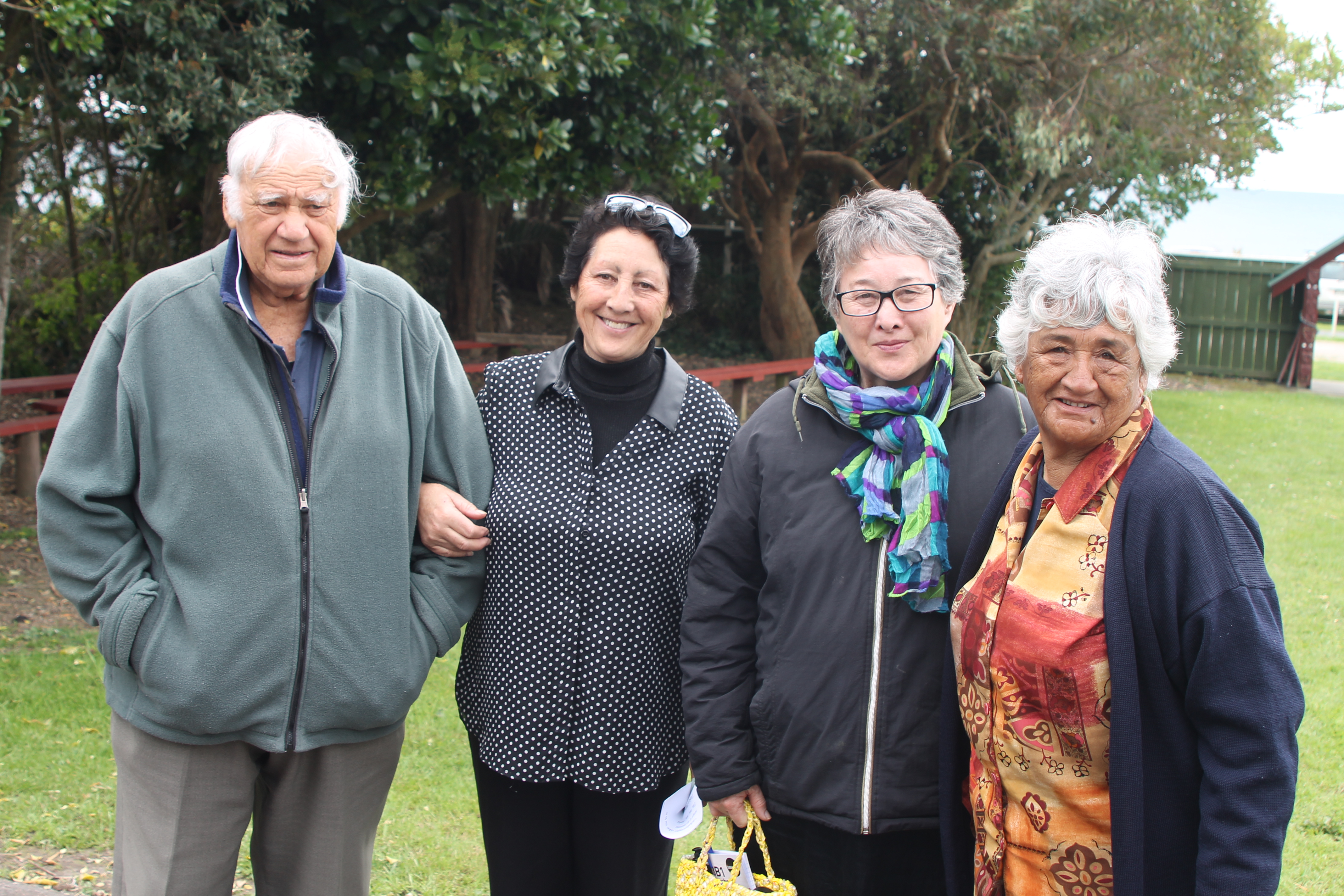
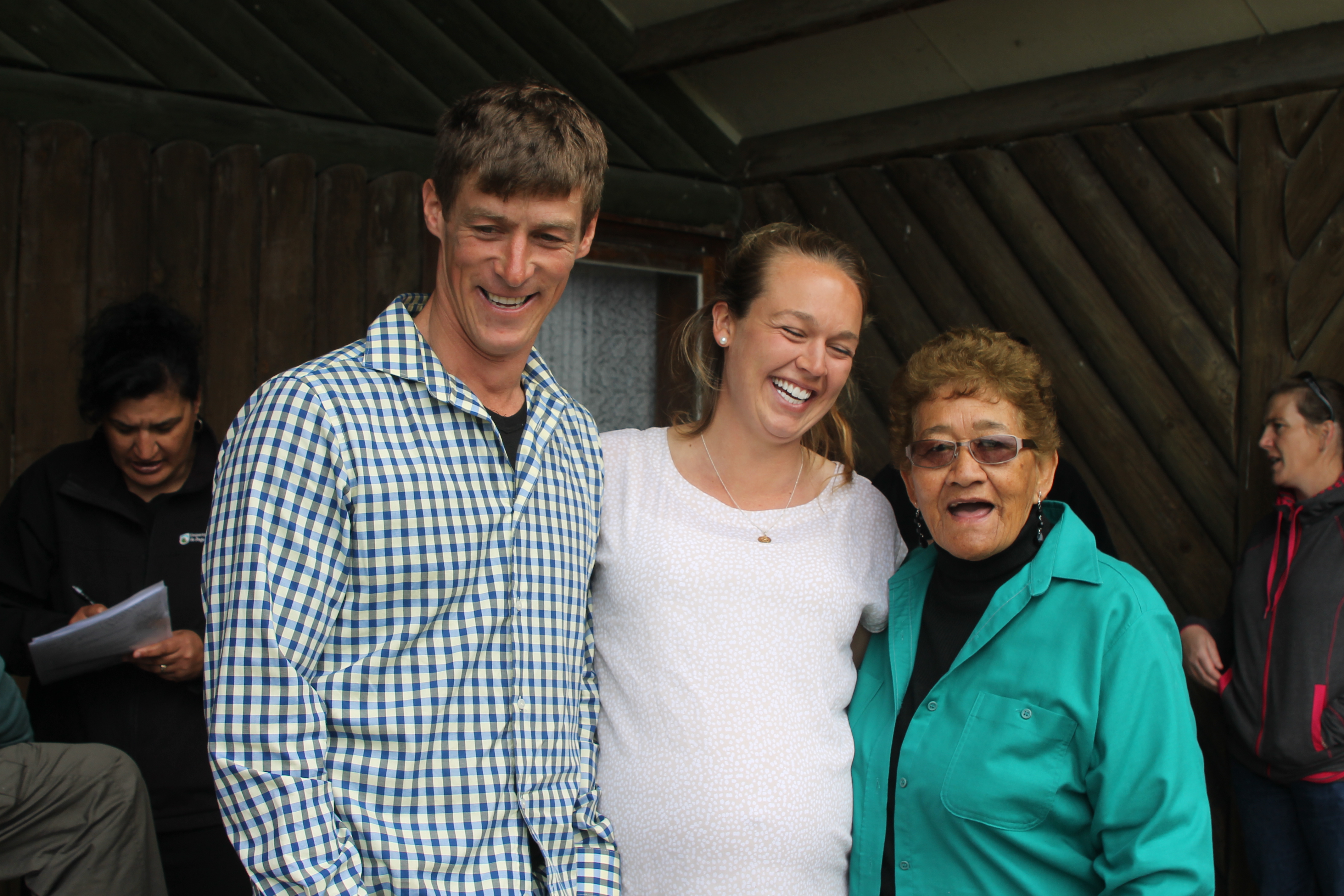
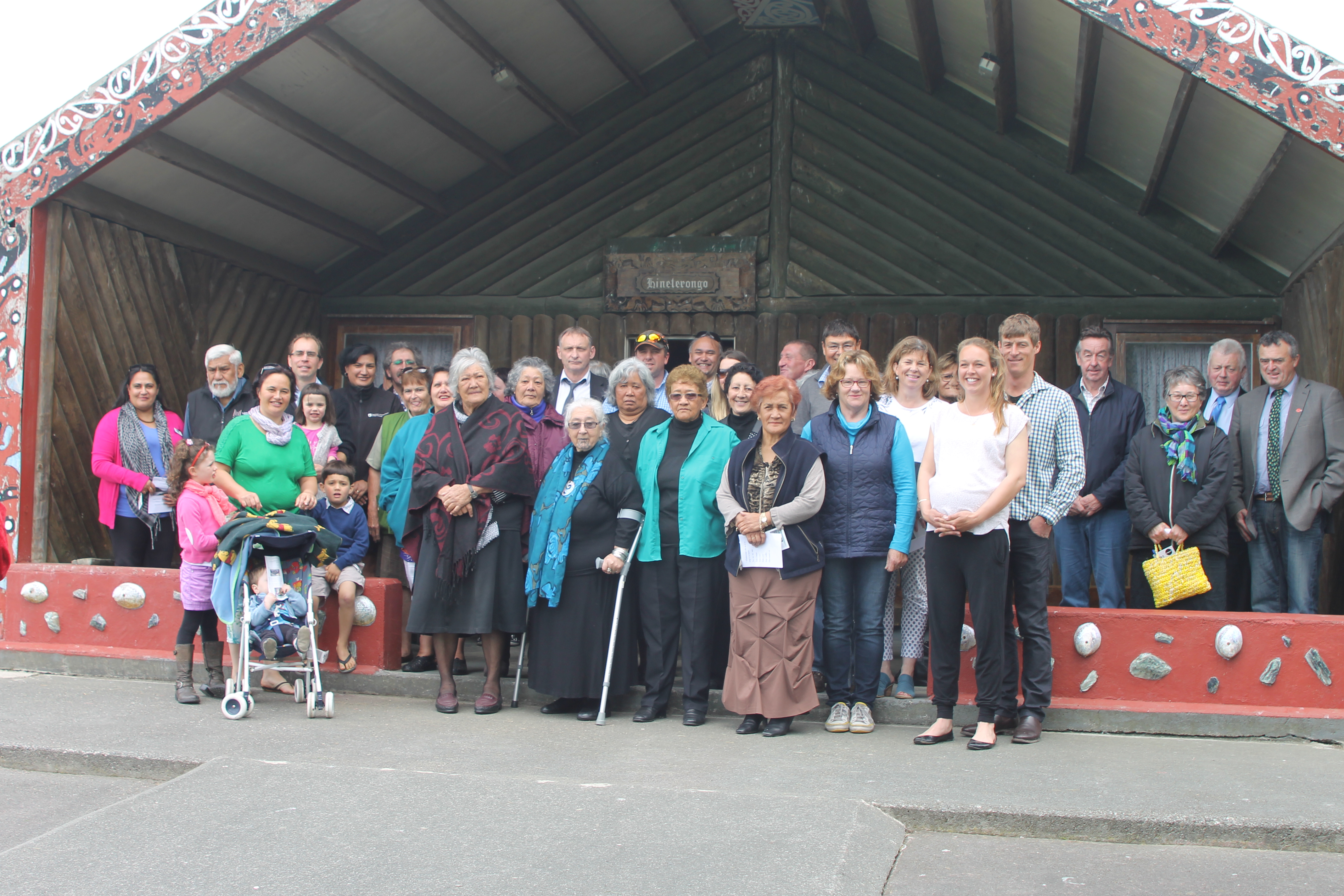
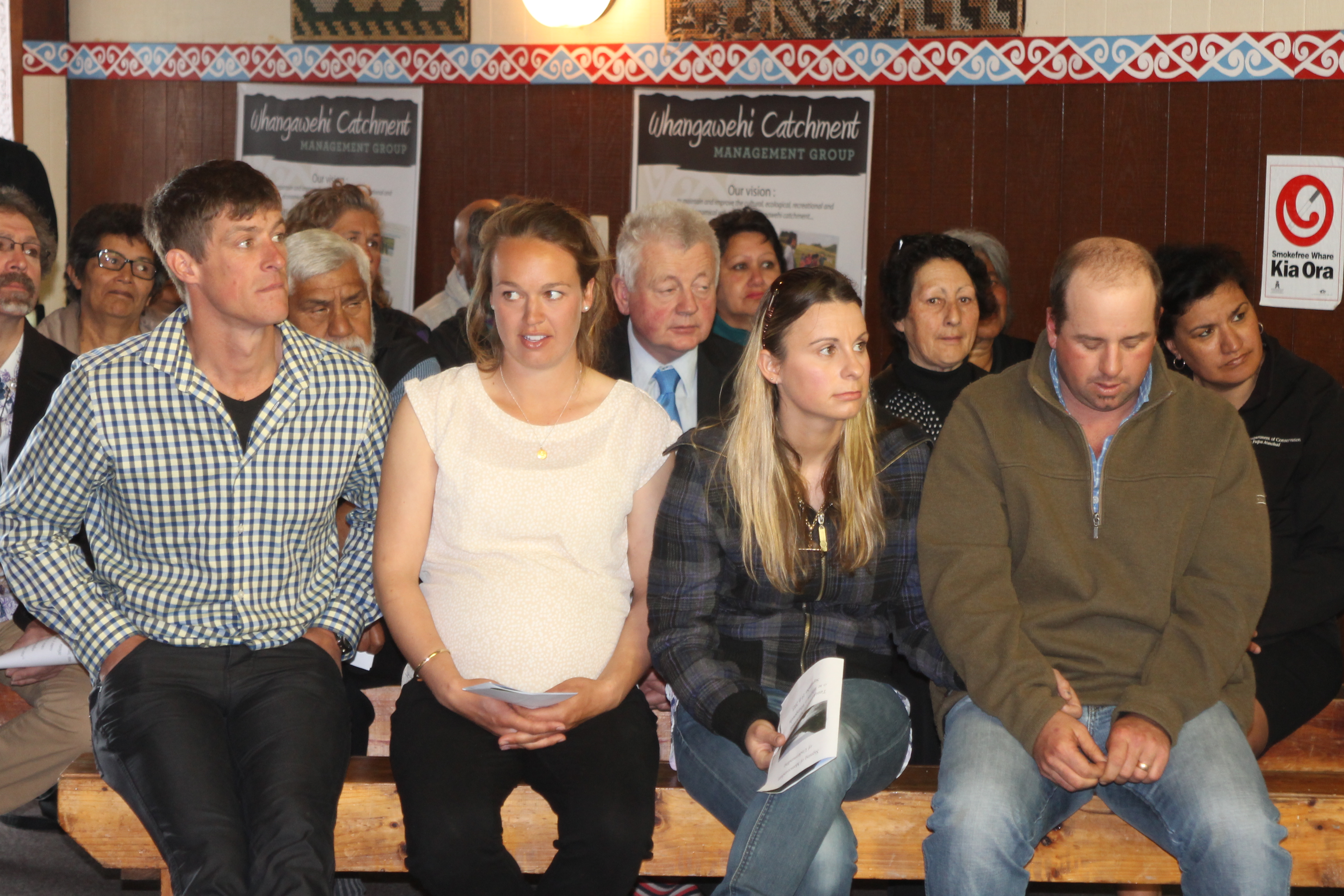
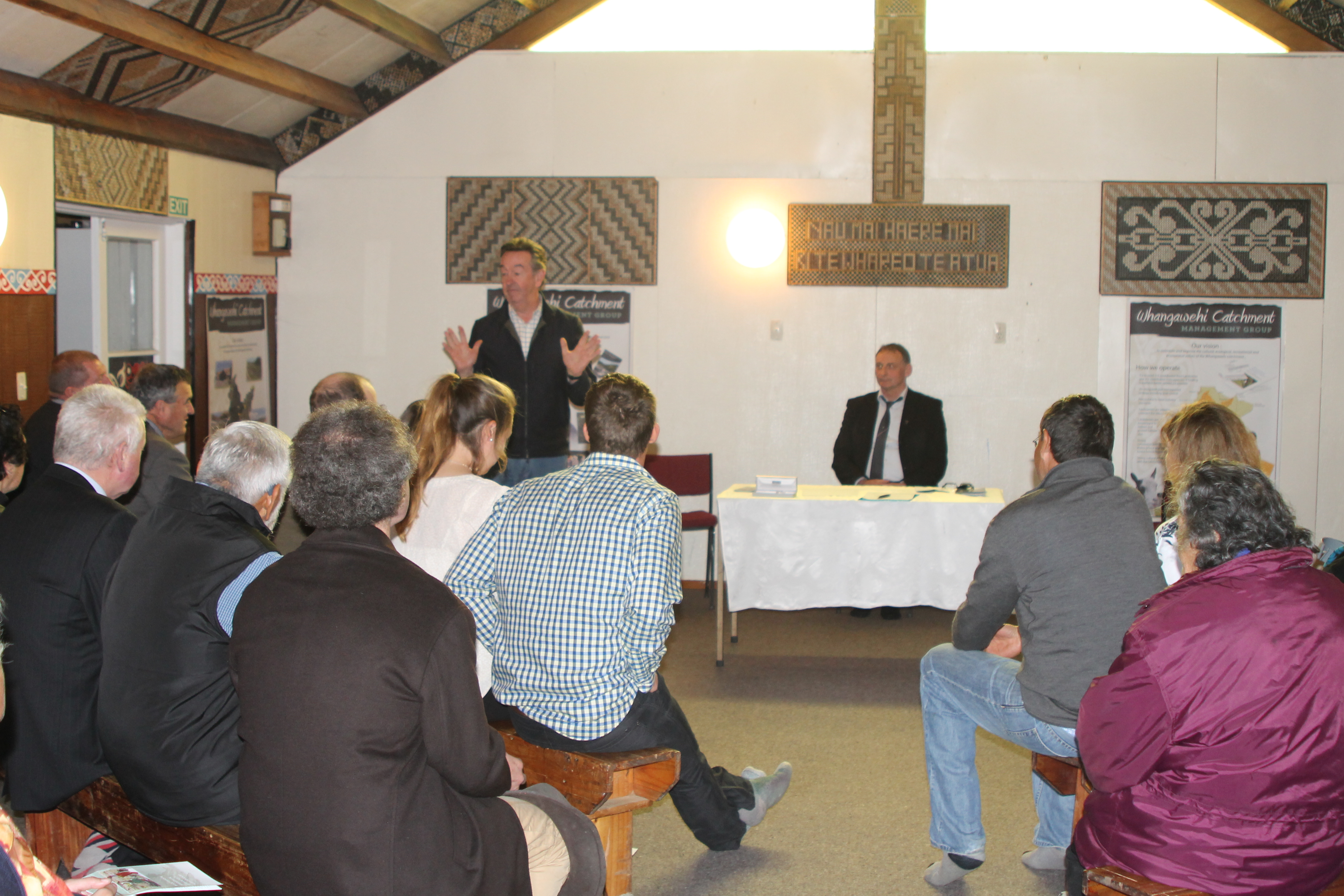
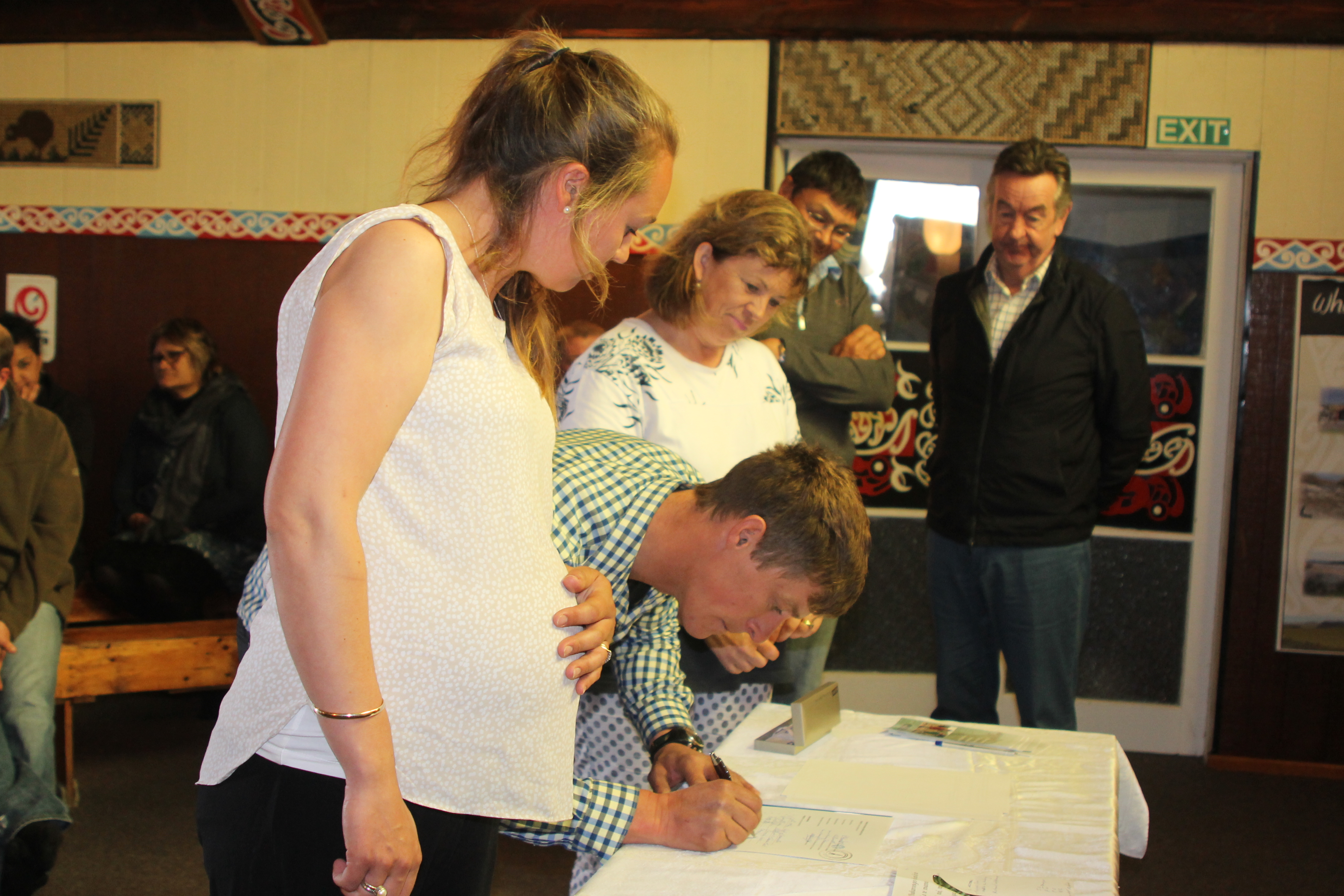
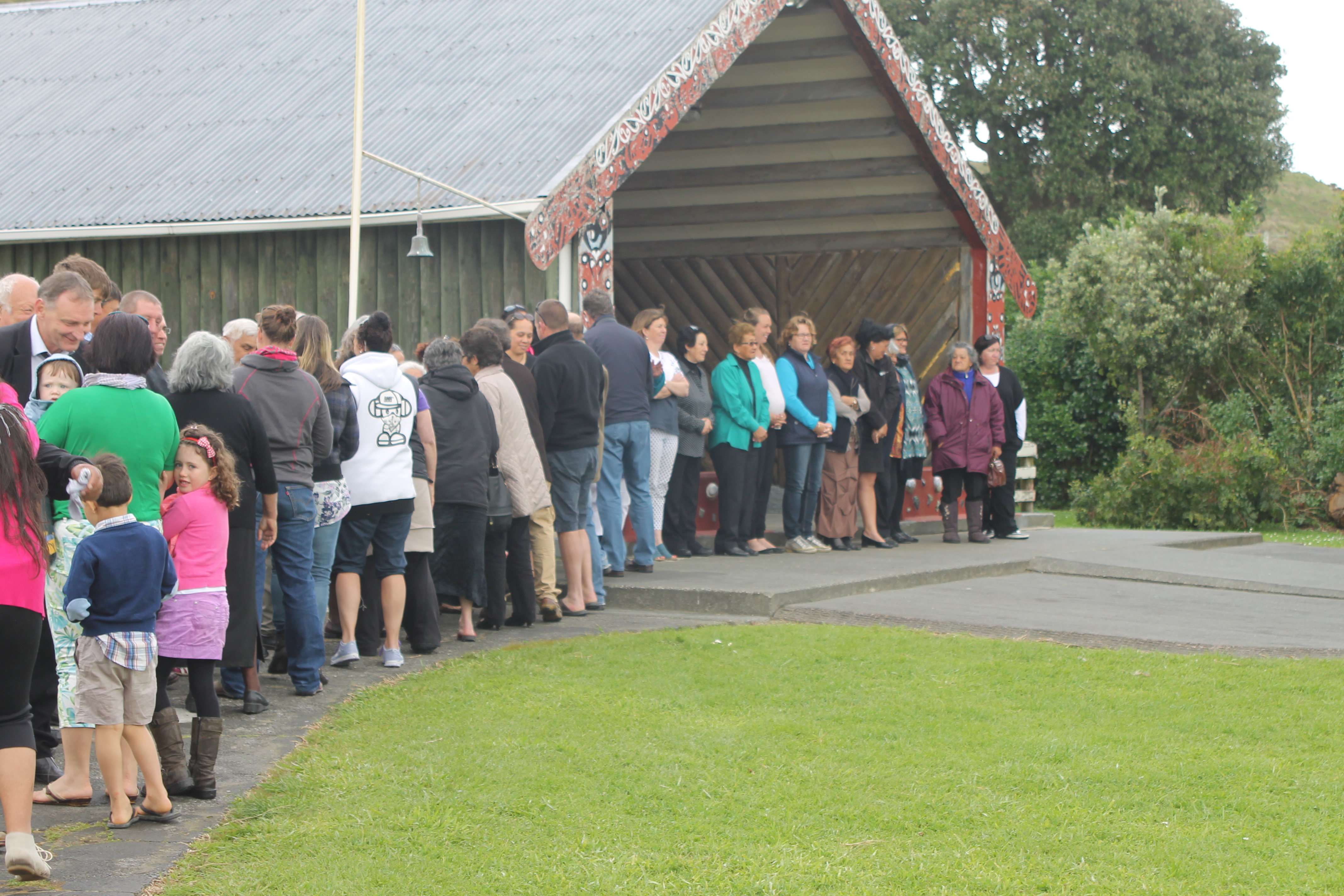
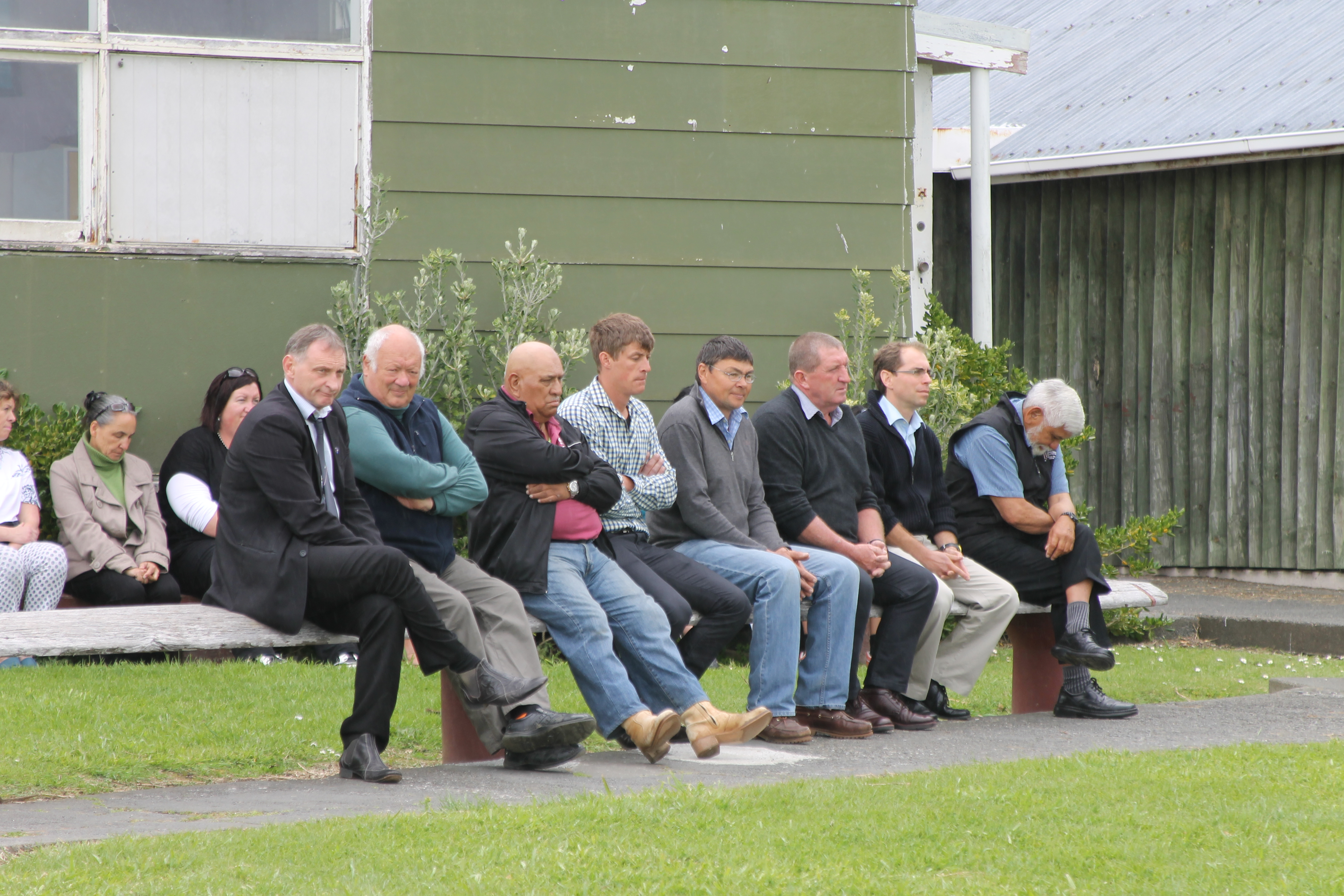
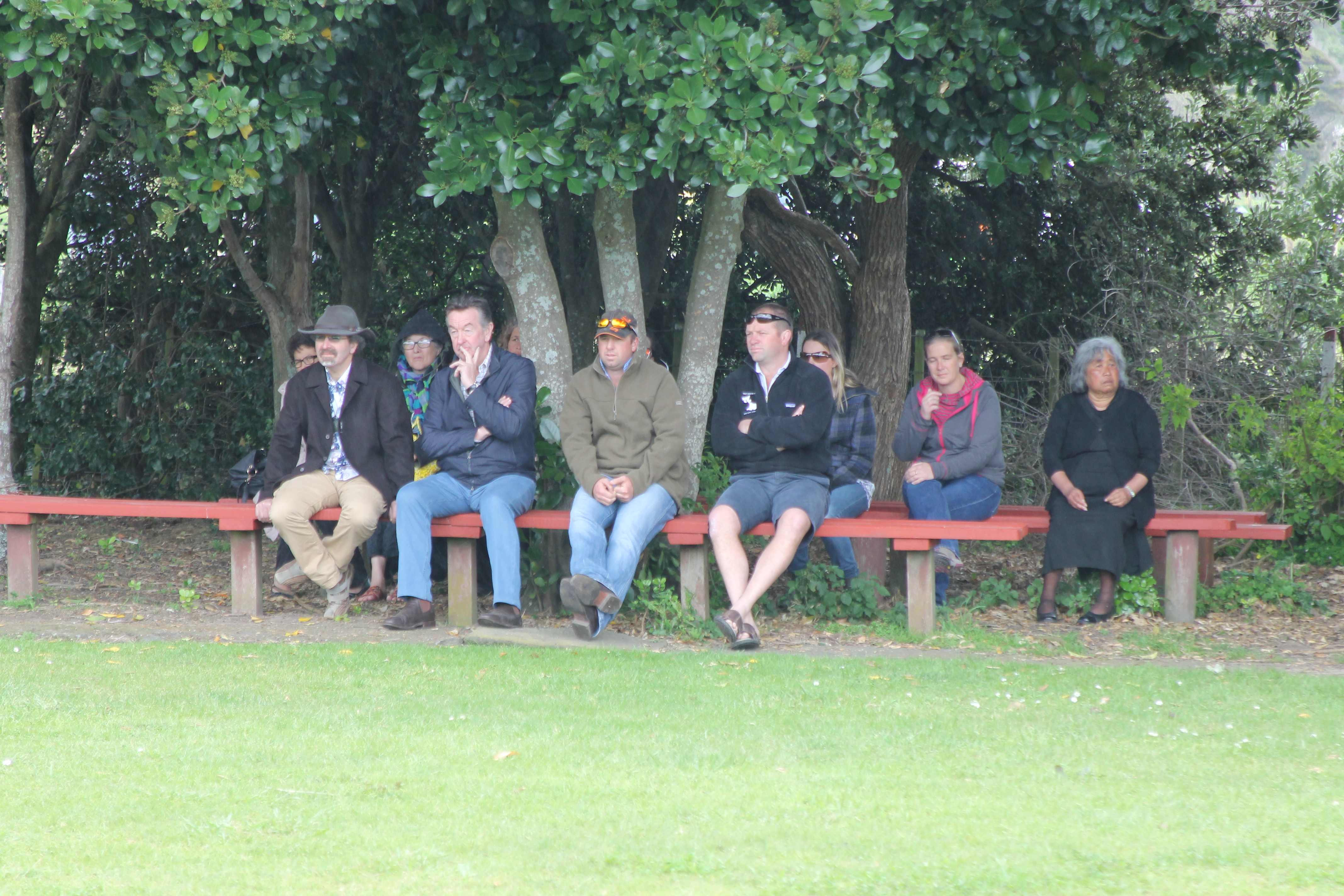
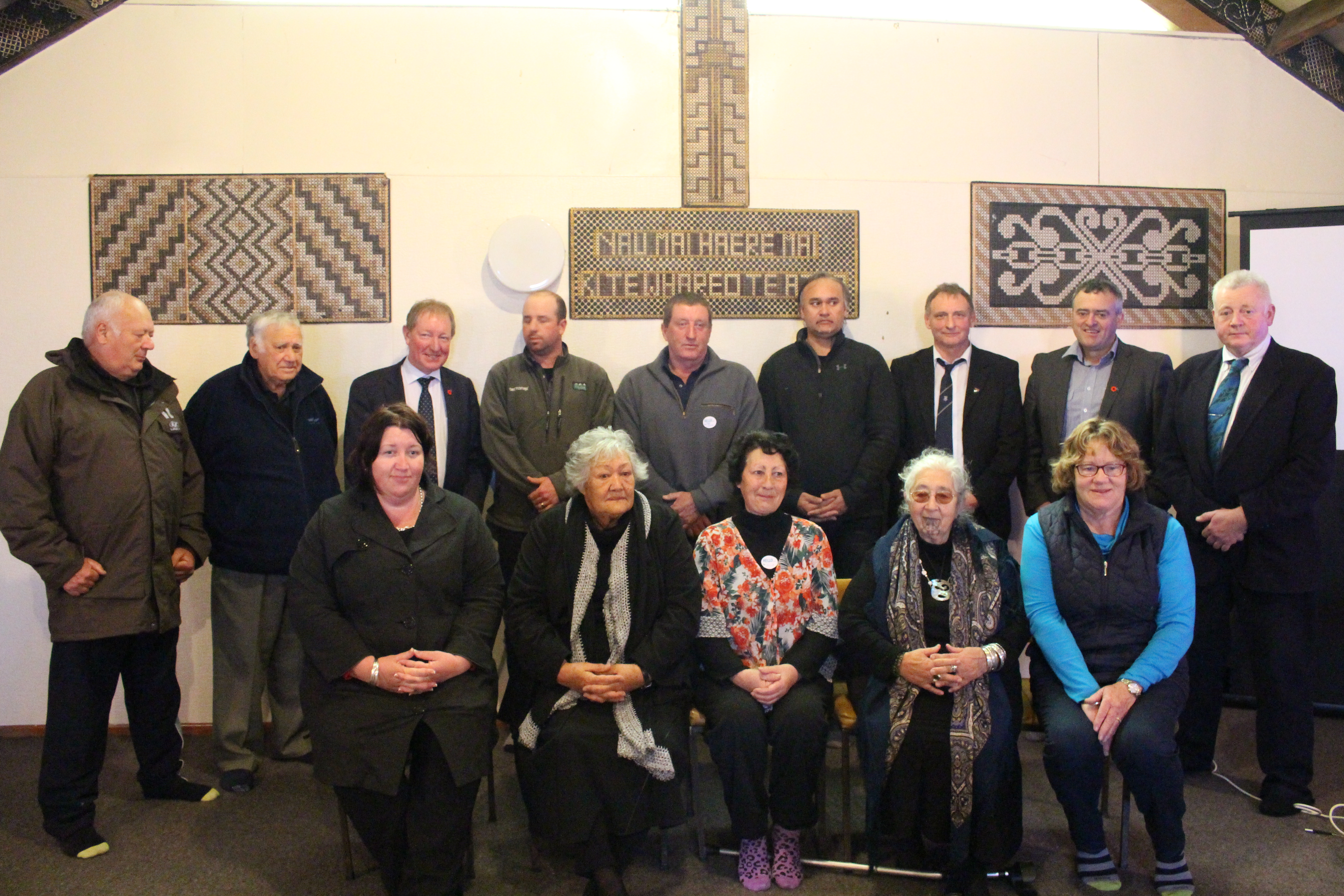
On Saturday the 19th of September, the Whangawehi Community gathered at Tuahuru Marae to celebrate a new Signing of the Whangawehi Catchment Management group’s Memorandum of Understanding. Three new landowners have decided to join and support the group’s vision : M Fay owner of Pongaroa Station, Richard and Hannah Coops, owners of Okepuha Station and Kathy and Marc Bowen owner of a family farm.MoUoctober2015
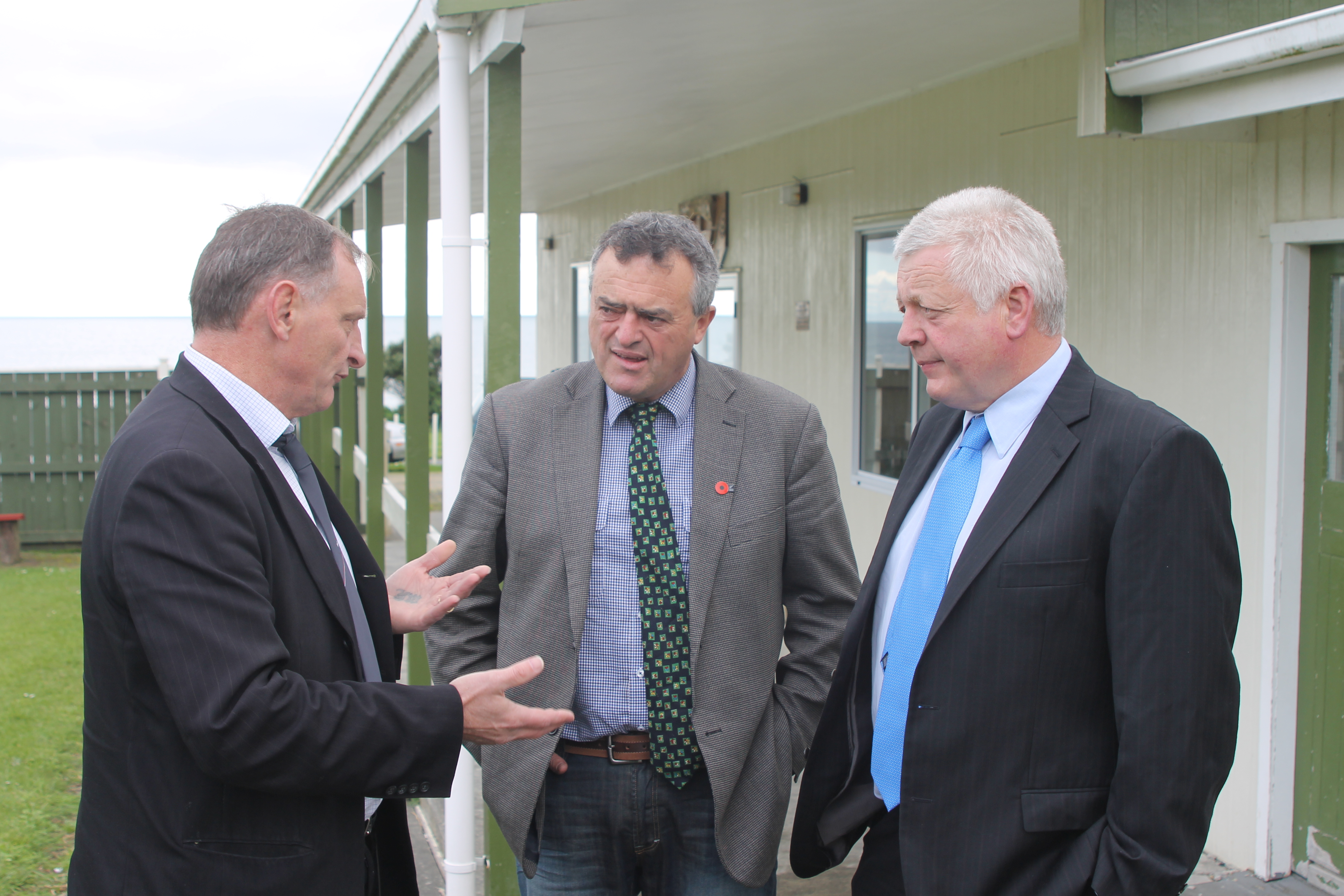
This ceremony is a milestone in the group’s journey and with new supporters, the WCMG is in a stronger position to continue its conservation work. The community work has been outstanding with 69 000 trees planted over the last two years, a school and a pest control programme amongst other initiatives. HBRC Chairman, Fenton Wilson, was impressed by the work done and re iterated the fact that the collaborative approach used was unique and should be used by other groups as a template.
On behalf of the WCMG, we would like to thank you all for this very special day and are looking forward to progressing the implementation of our Catchment Management Plan.
Nic Caviale-Delzescaux

IMG_7532IMG_7531IMG_7530IMG_7534IMG_7526IMG_7518IMG_7516IMG_7513IMG_7504IMG_7490IMG_7488IMG_7485IMG_7481IMG_7480IMG_7474IMG_0537

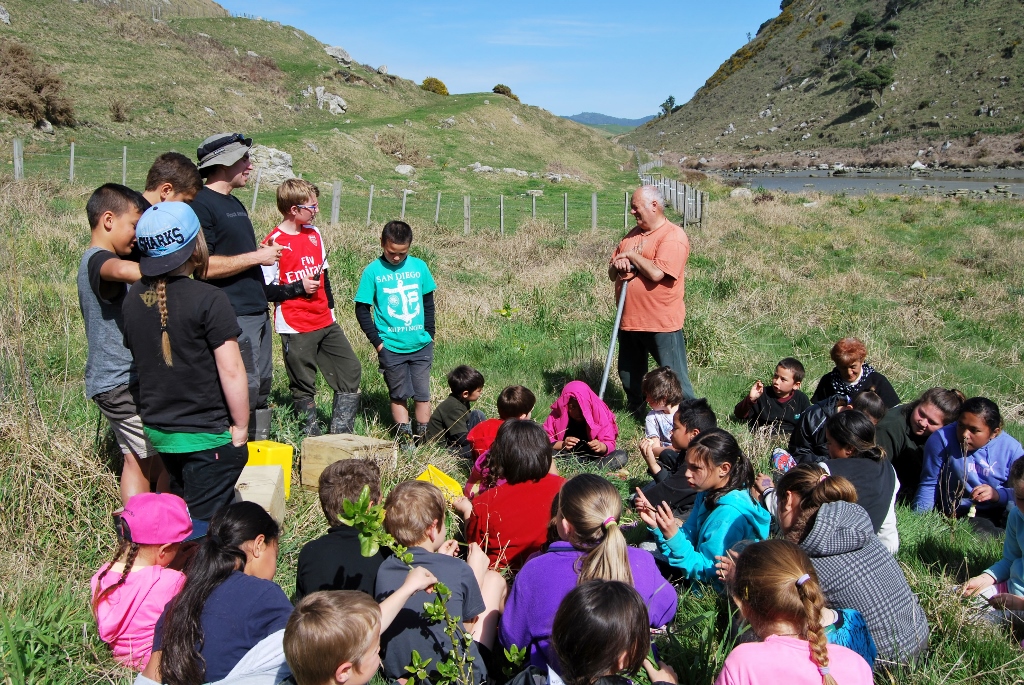
Te Mahia School students prepare the ground for a Blue Penguin colony

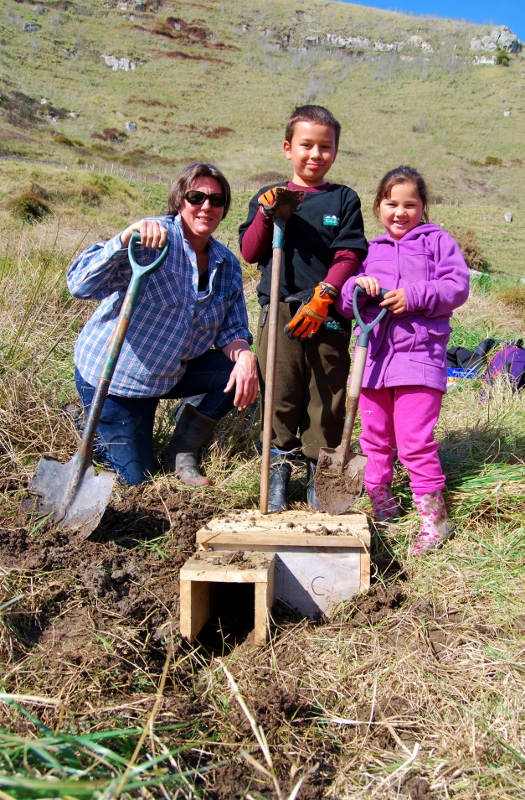
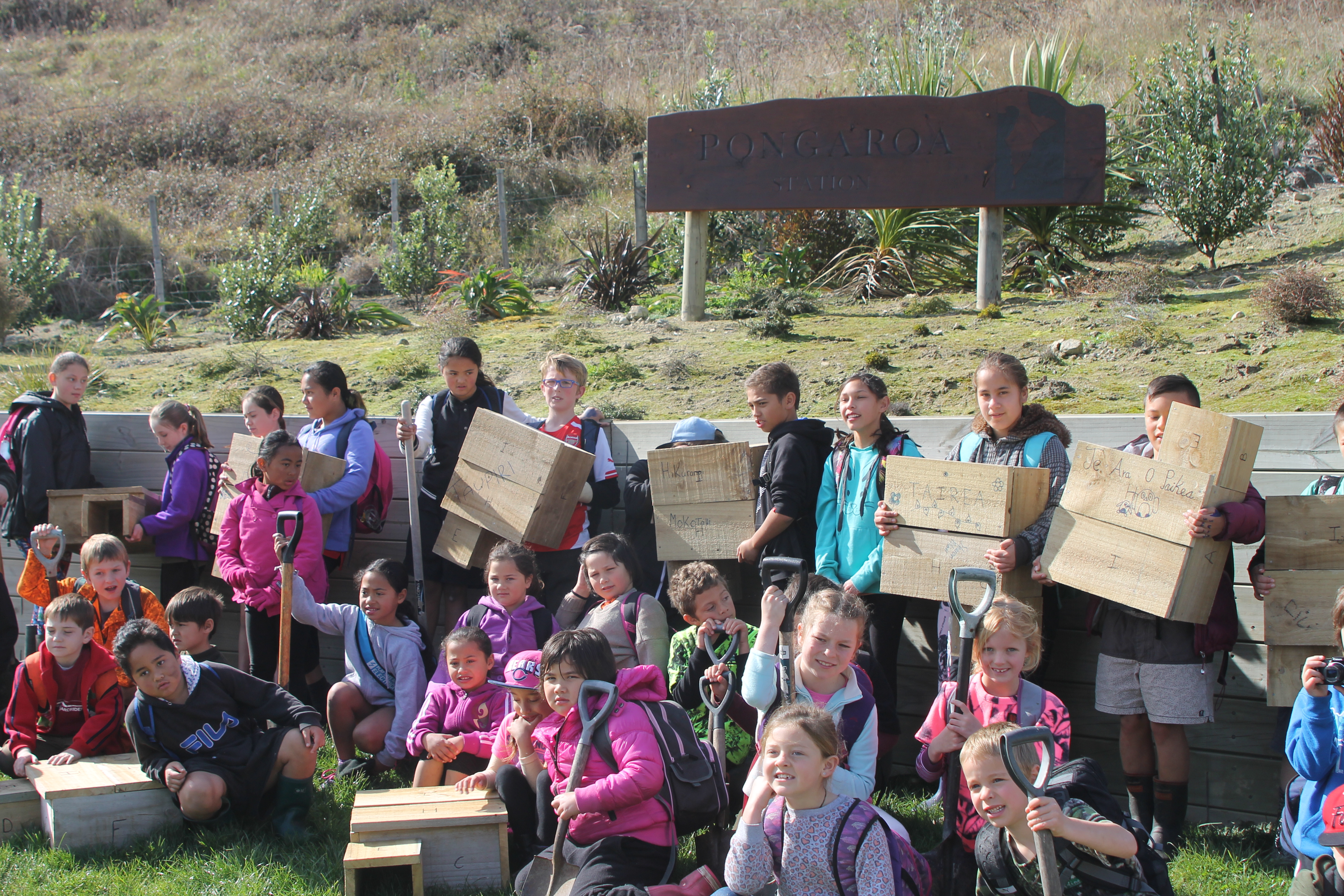
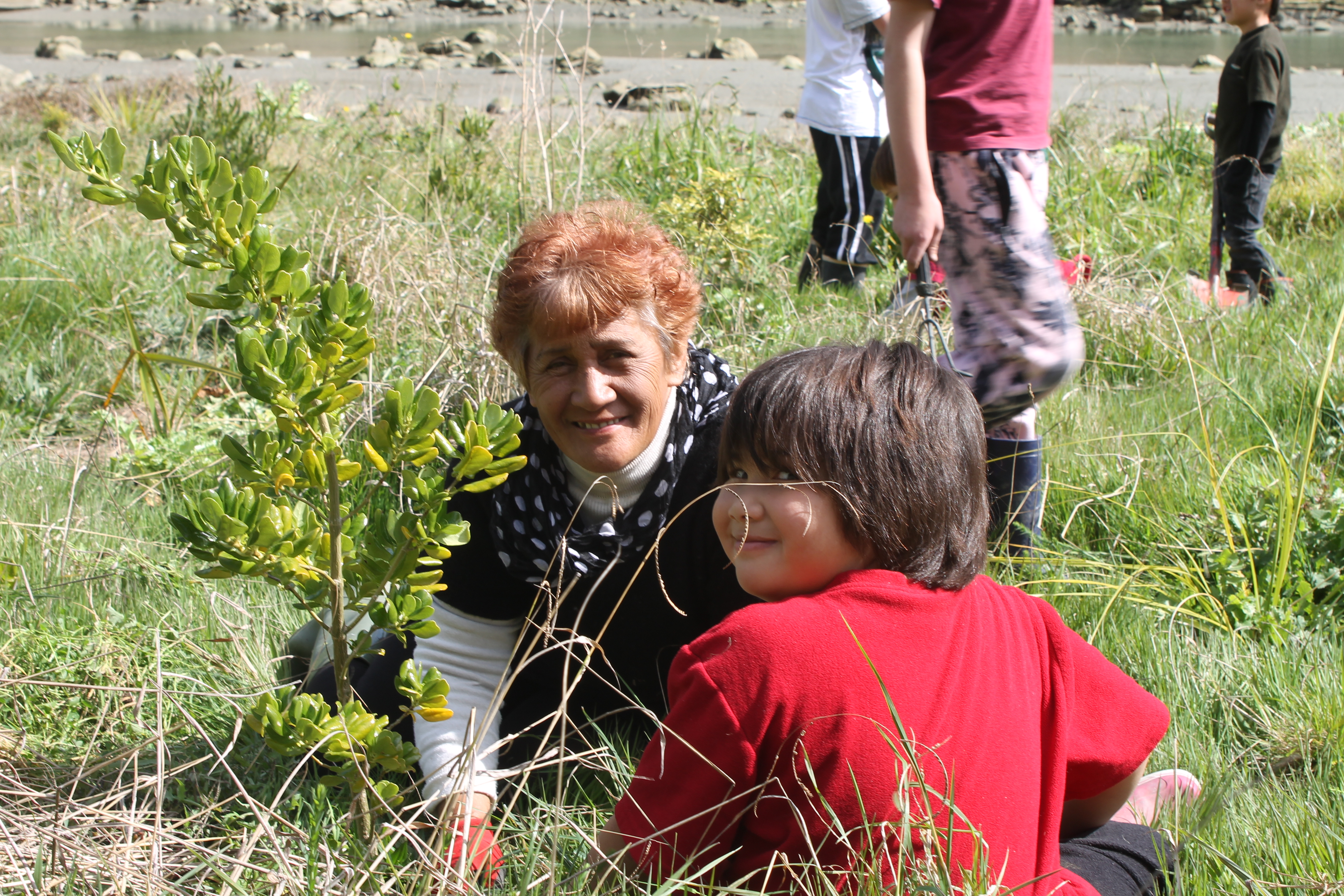
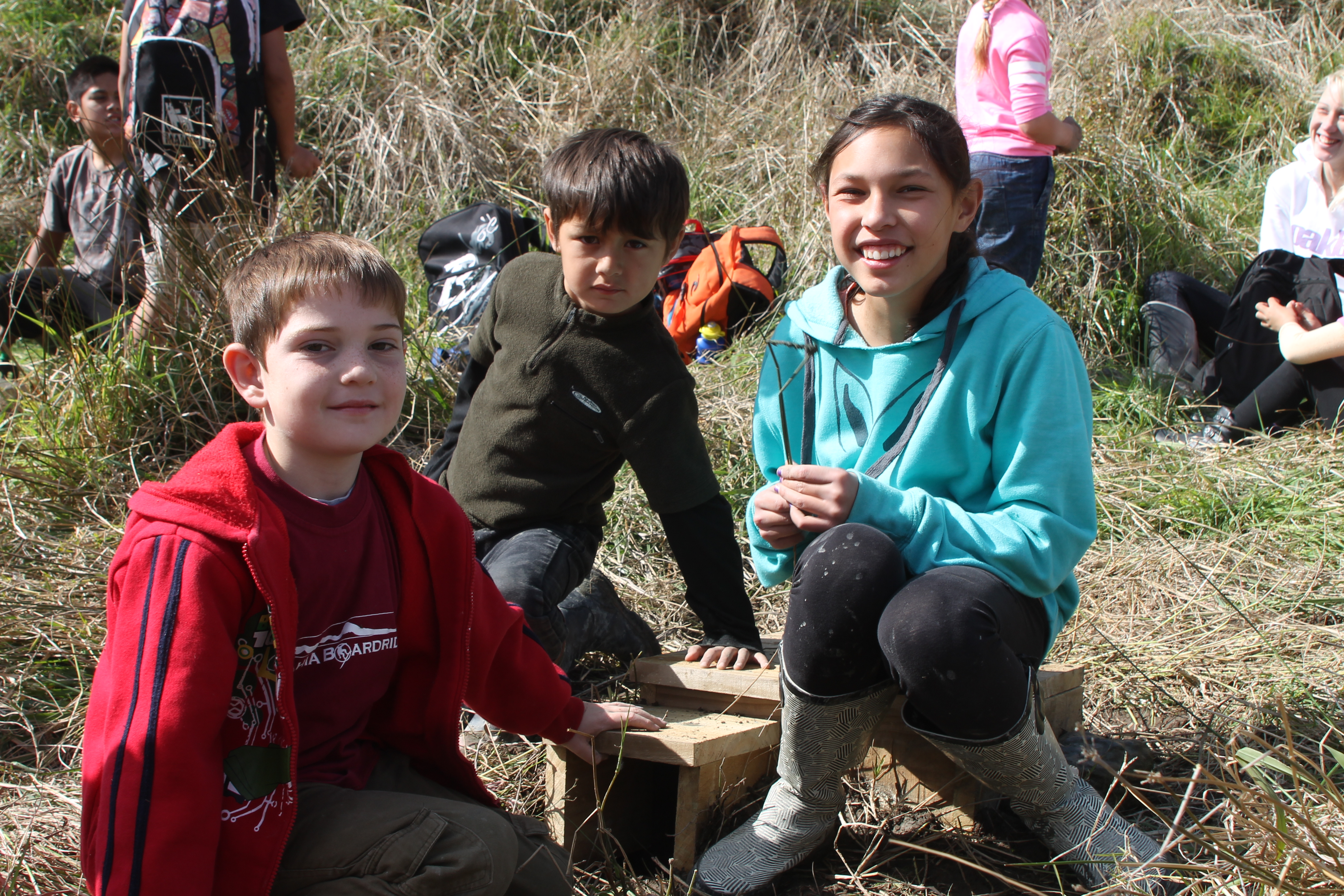
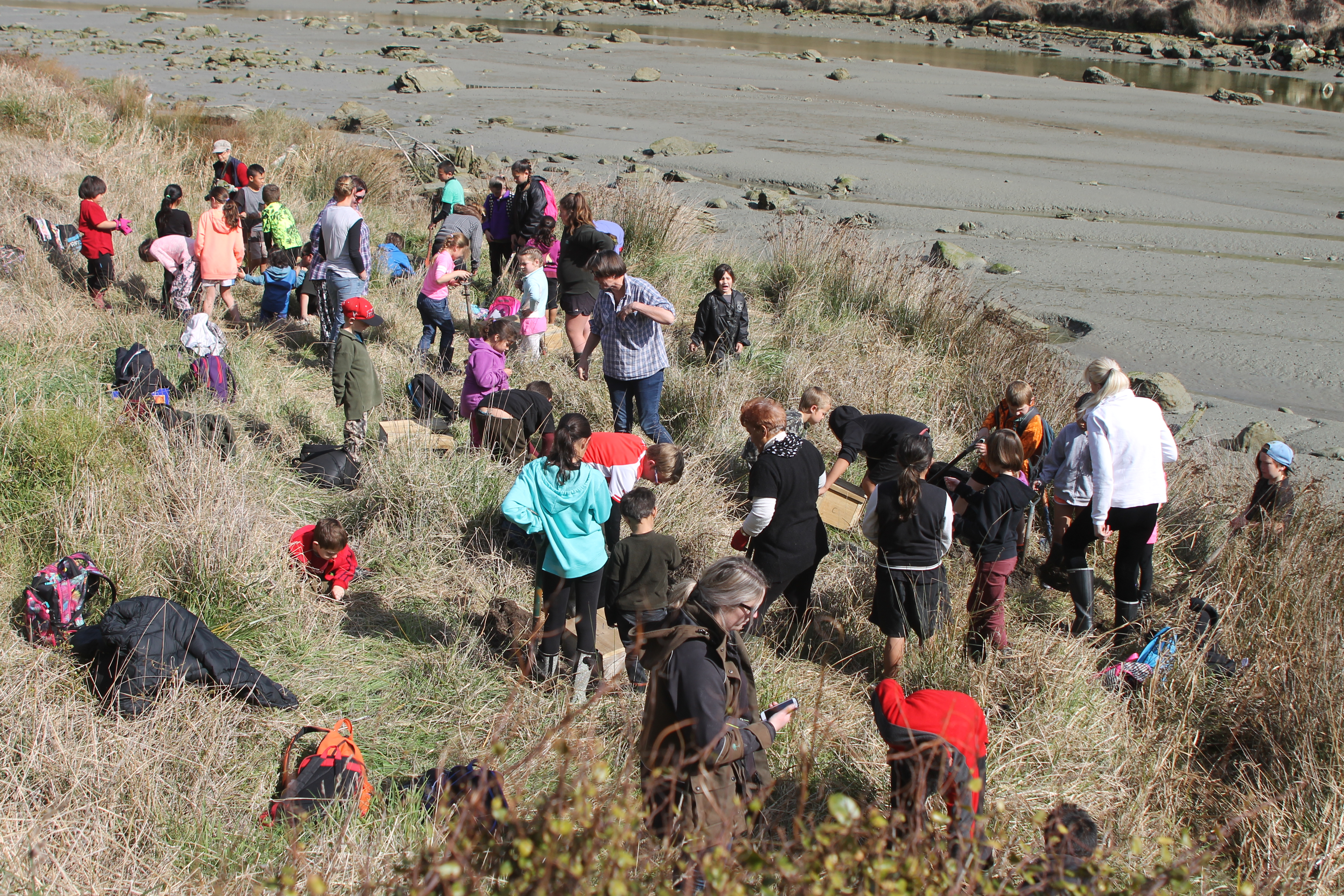
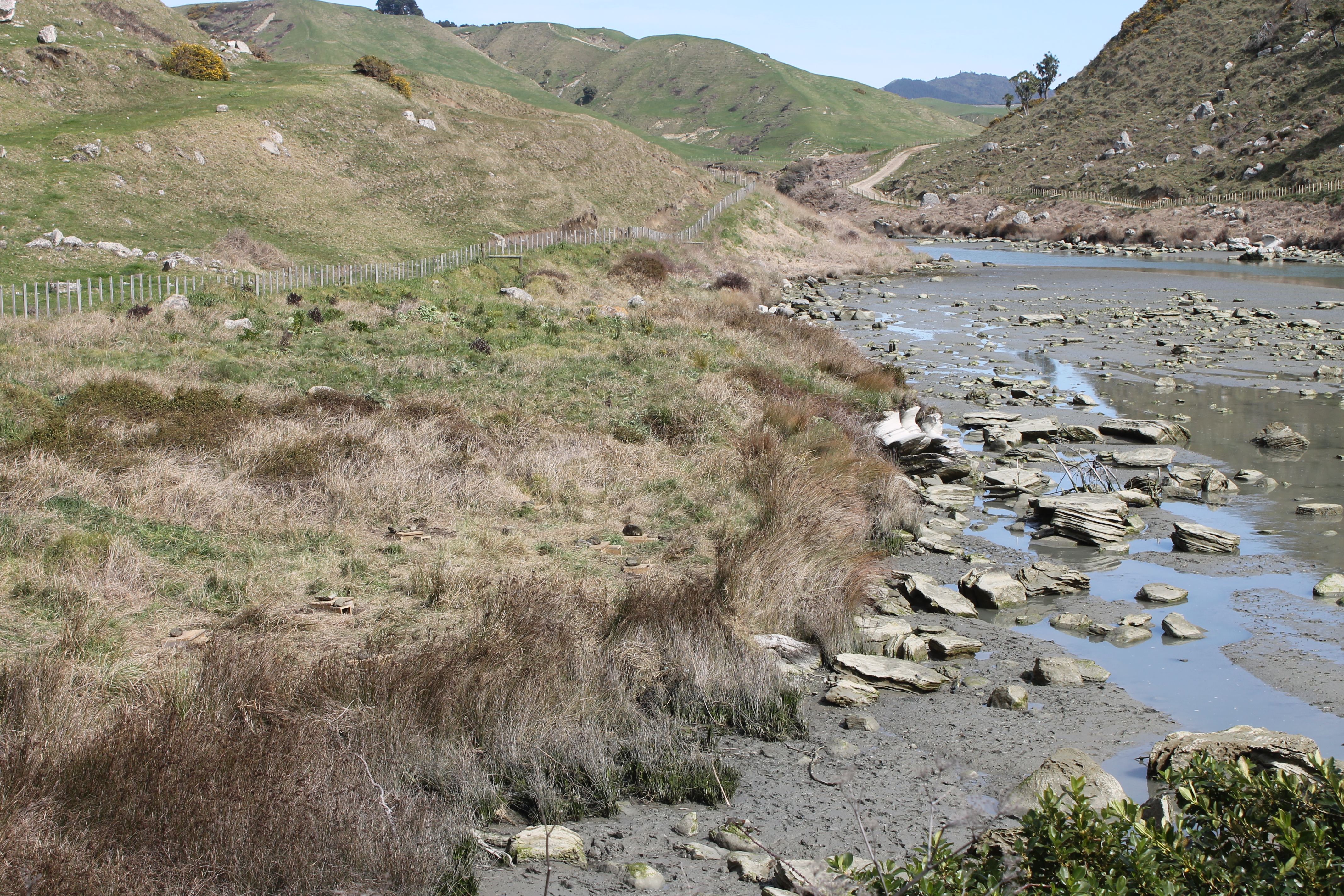
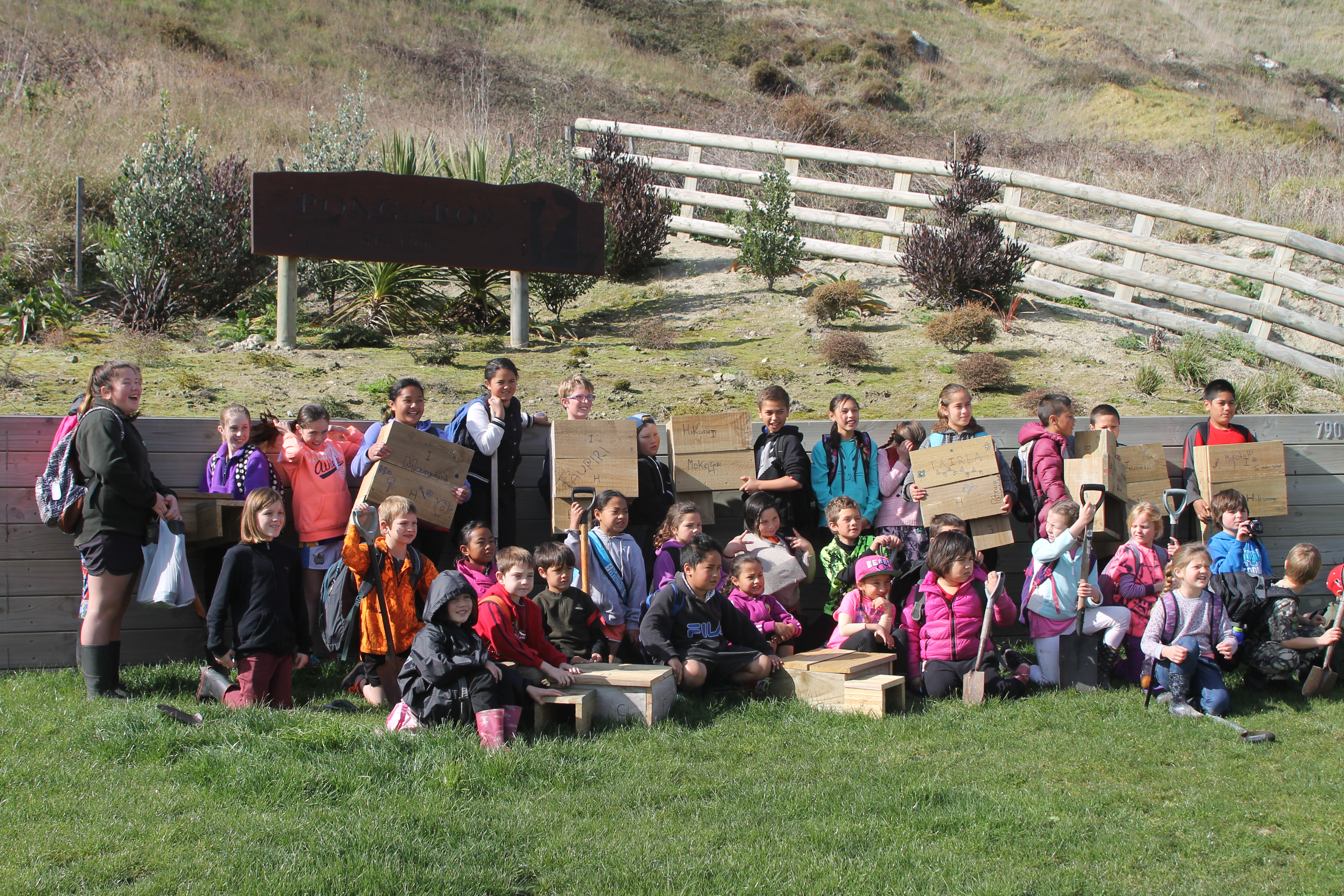
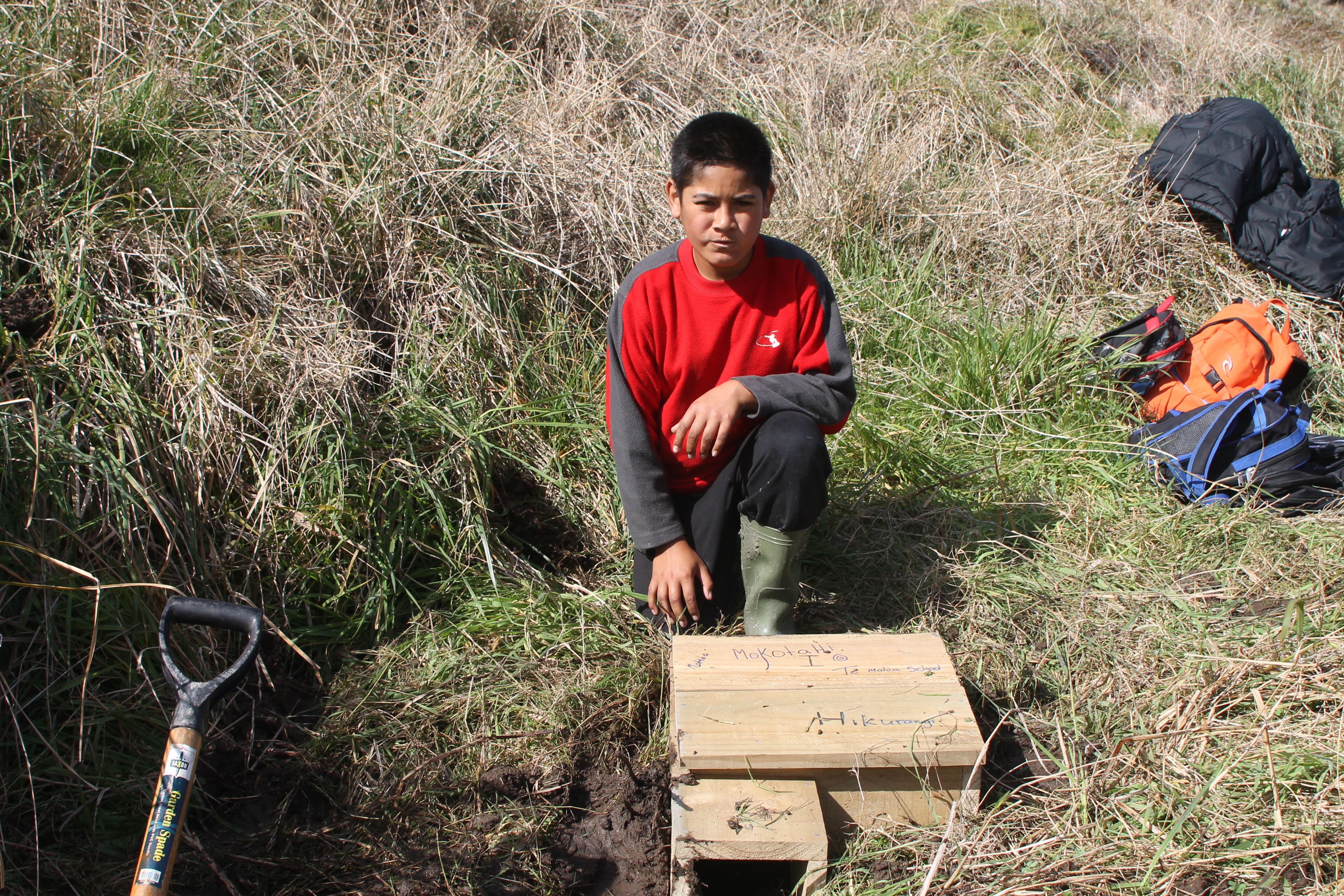
On the 8th of September Te Mahia school students came along the Whangawehi river to install their Blue Penguin nesting boxes. The site is located in the estuary, just above the Whangawehi bridge and has been planted with 450 native plants. This area used to be highly colonised until the early 80s when human activities and predators put to much pressure on this vulnerable bird. With the help of Whanau, Te Mahia students built 13 boxes in August and named them for further monitoring. Traps were laid to reduce predator impact on bird life and hopefully protect the little colony. A netting will secure the area from dogs but still allow the birds to get in and out.

This initiative is certainly challenging but has the merit to raise awareness on a unique bird specie that used to be very common in the area.

A big thank you to the students, teachers, coordinator and whanau for their help and support.

Nga mihi nui

IMG_7381  IMG_7418 IMG_7416 IMG_7415 IMG_7412 IMG_7400

IMG_7421 IMG_7376 DSC_0090 (1024x685) (1) IMG_7406