Autumn photos

The autumn is a good time to take landscape photos. The weeds are starting to dye off (some of them) and the trees show up more with the winters lights.

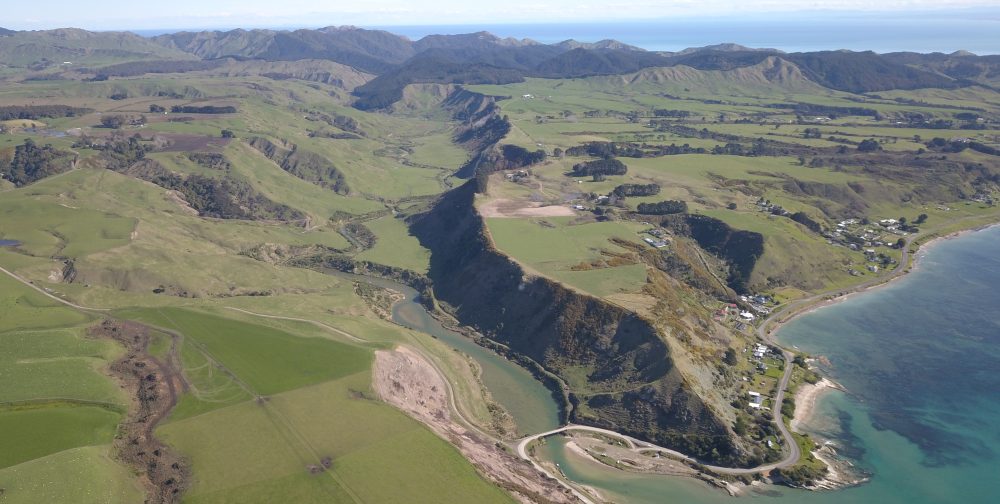
Our trees are growing all along the Whangawehi stream. Have a look at the photos used as monitoring evidences of the transformation we have been part of.  Certainly a mark in the landscape to be proud of.


The Coops are finalists at the Ballance farm environmental awards

We are wrapped for Richard and Hanna Coops from Okepuha Station who have been nominated as a finalist for the East Coast section of the Ballance Farm Environmental awards.  Last year the Coops committed to an extensive planting programme which involved retiring and fencing off large chunks of their land.  Both of them have indicated that they are keen to undertake further environmental work in the near future. Winners will be announced at the Ballance Farm Environmental Awards at the Napier conference Centre on Wednesday 28th March 208.  On behalf of the Whangawehi Catchment Management Group we wish them all the best at the ceremony.

Pongaroa Station signing

We are delighted to announce that Pongaroa Station have signed the conservation management agreement.  This covenant agreement is an important way of protecting funder investment for a 25 year period.  Pongaroa Station are the third landowners to sign the agreement and significant in terms of their land size.  Pongaroa station have signalled their commitment to more conservation work by involving the QE2 Trust.  The station is currently investigating retiring and fencing off 40 hectares of native bush blocks around the farm with the assistance of QE2.  Watch the space over the next few years…

Mitre 10 New Zealander of the year

The Whangawehi Catchment Management group have been confirmed a finalist in the Mitre 10 New Zealander of the year awards.  Three members of the group will be travelling up to Auckland on February 22nd to represent the group in the ‘New Zealand Community of the year’ category.  The two other finalists competing in this category are; Canterbury Charity Hospital Trust and ‘Pillars’ based in Auckland.   The winners of each category will be announced this evening and the group are eager to take away top honours in this section for all the hard work put in over the years.  This award ceremony honours inspiration kiwis who have performed with distinction in their respective communities.

Pongaroa Station conservation projects

On  the 12 of December, Malcolm Rutherford from QE2 Trust came to Mahia to assess Pongaroa Station’s bush blocks. Bevan, Farm Manager, is interested in fencing off all significant bush blocks on the farm. In total 40 ha could be retired in covenanted in the next few years. It is encouraging to see the work done along the river extended in the tributaries and subcatchments.


Birds experts at Whangawehi

On the 16th of August, Tamsin Ward Smith and Kay Grifith, both environmental consultants from Hawkes bay came to Whangawehi for a short site assessment study. Over the past 4 years, the Catchment Group has allowed the retirement of favourable habitats for a number of bird species. In parallel, our pest control activities have grown to allow the bird life to recolonize these protected habitats. The report that will follow this field study will help the group better understand what bird species are likely to come back naturally, which ones are likely to thrive in the habitats available at present time and the steps to follow if we decide to translocate a specific bird specie back into the catchment.This scoping study will give us an insight on what to expect and the nature of the work required ahead of us.
Bird study at Whangawehi

On the 16th of August, Tamsin Ward Smith and Kay Grifith, both environmental consultants from Hawkes bay came to Whanagwehi for a short site assessment study. Over the past 4 years, the Catchment Group has allowed the retirement of favourable habitats for a number of bird species. In parallel, our pest control activities have grown to allow the bird life to recolonize these protected habitats. The report that will follow this field study will help the group better understand what bird species are likely to come back naturally, which ones are likely to thrive in the habitats available at present time and the steps to follow if we decide to translocate a specific bird  specie back into the catchment.This scoping study will give us an insight on what to expect and the nature of the work required ahead of us.