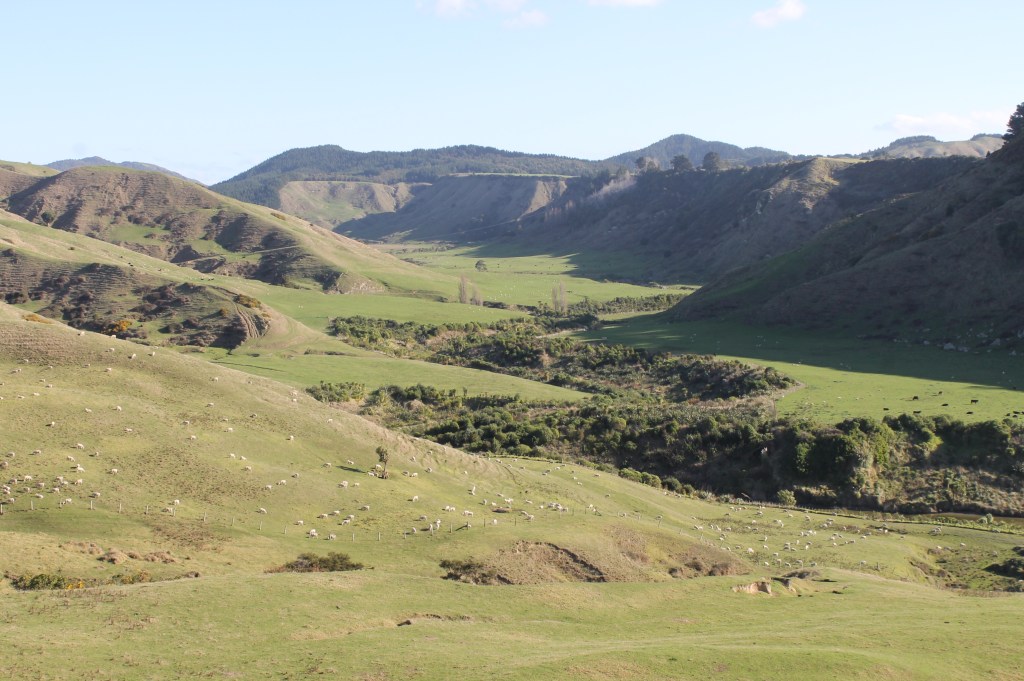
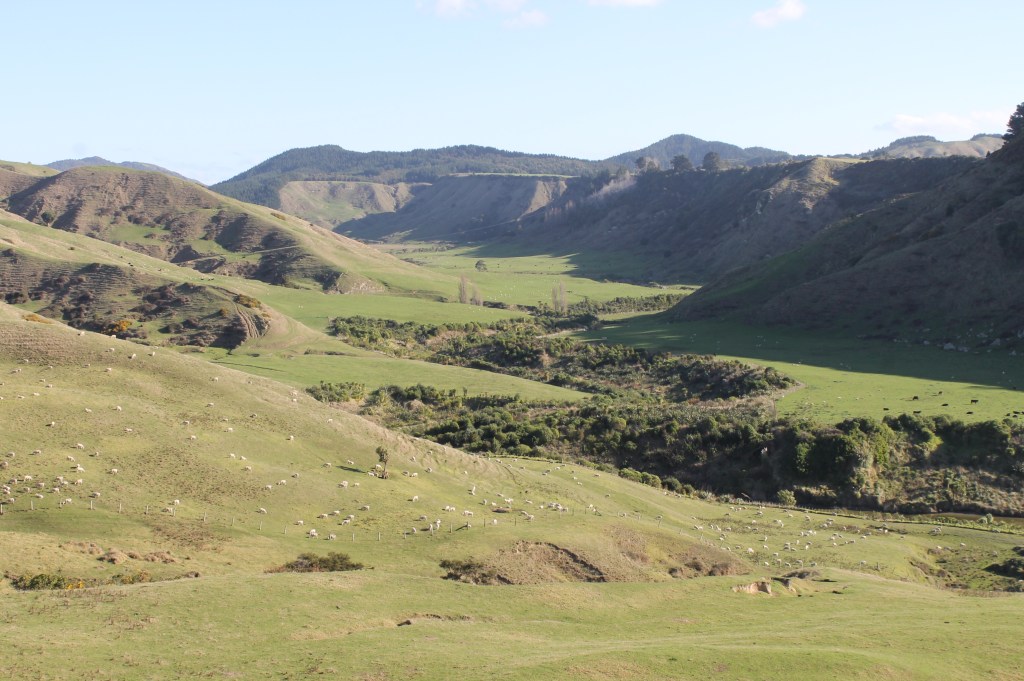
The work is starting at Whangawehi

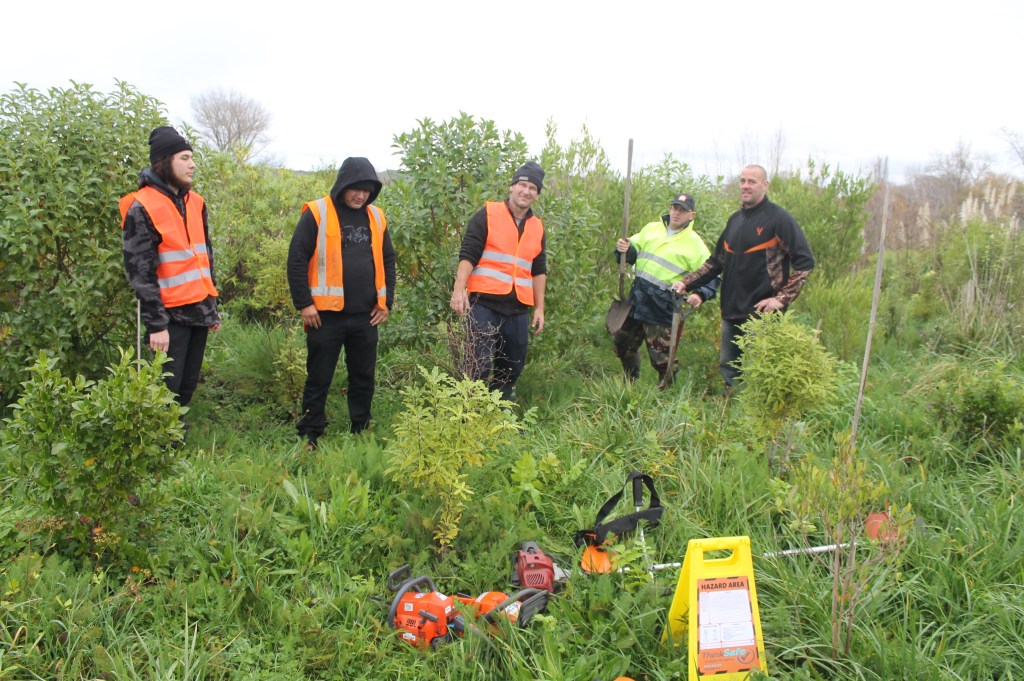
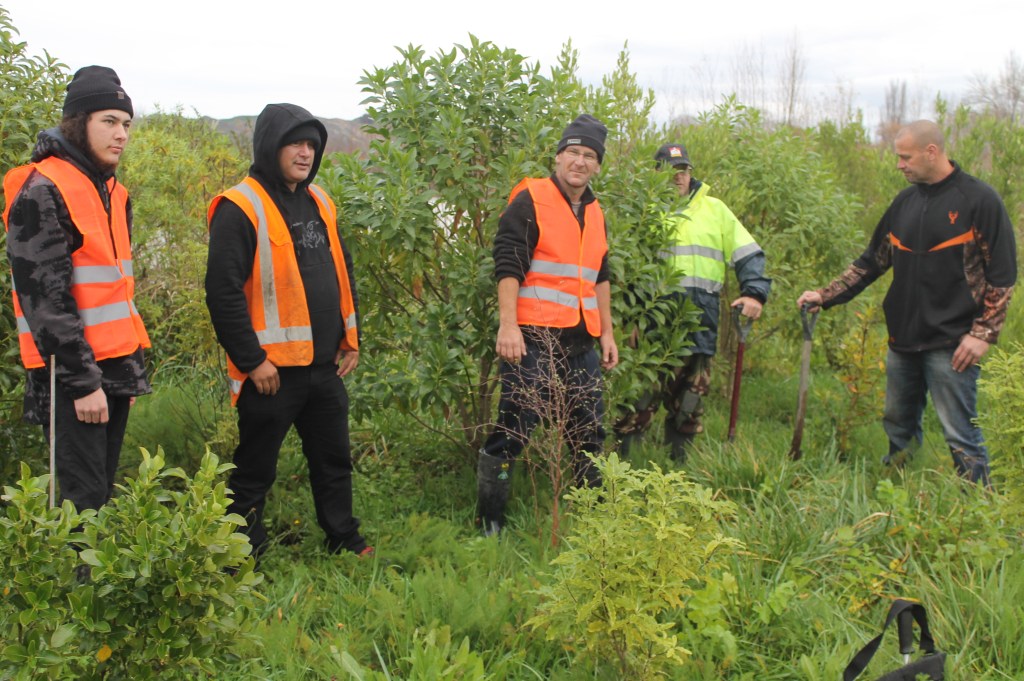
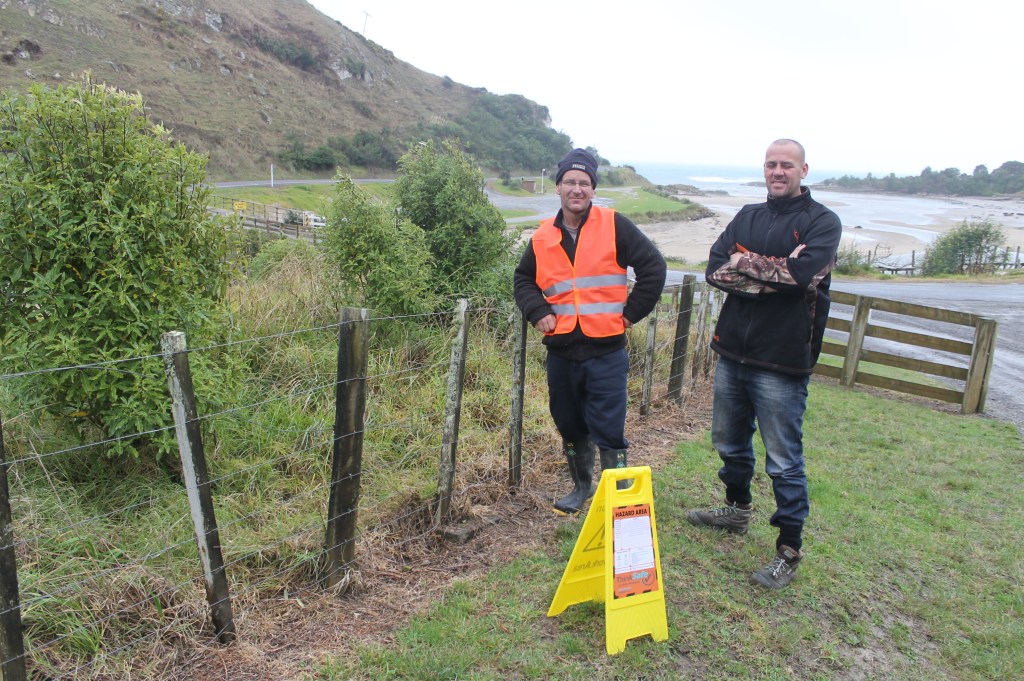
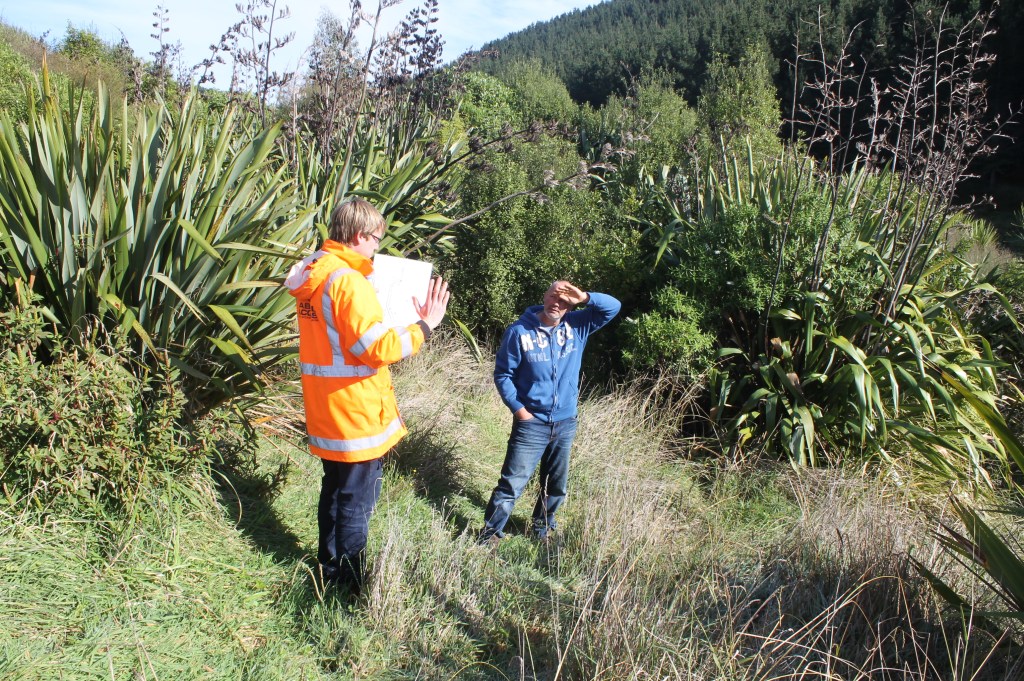
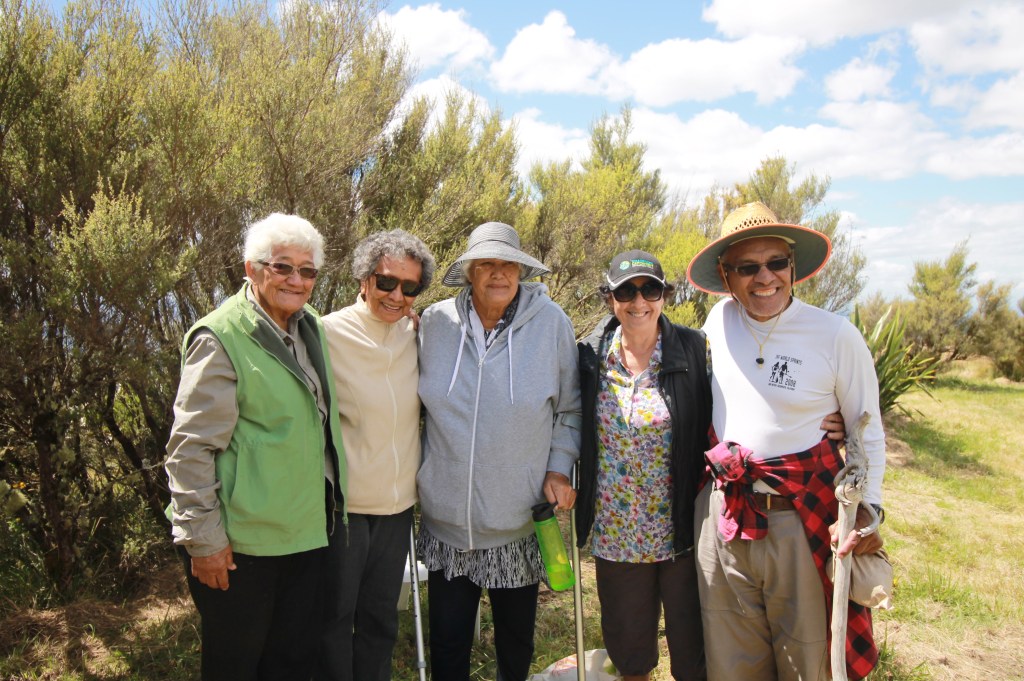
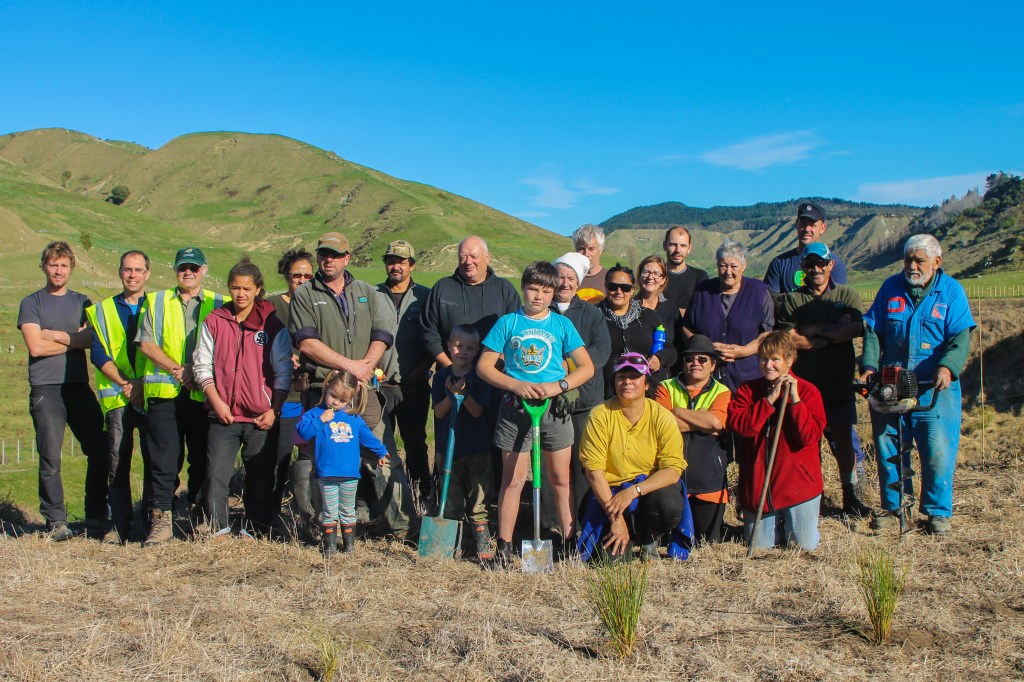
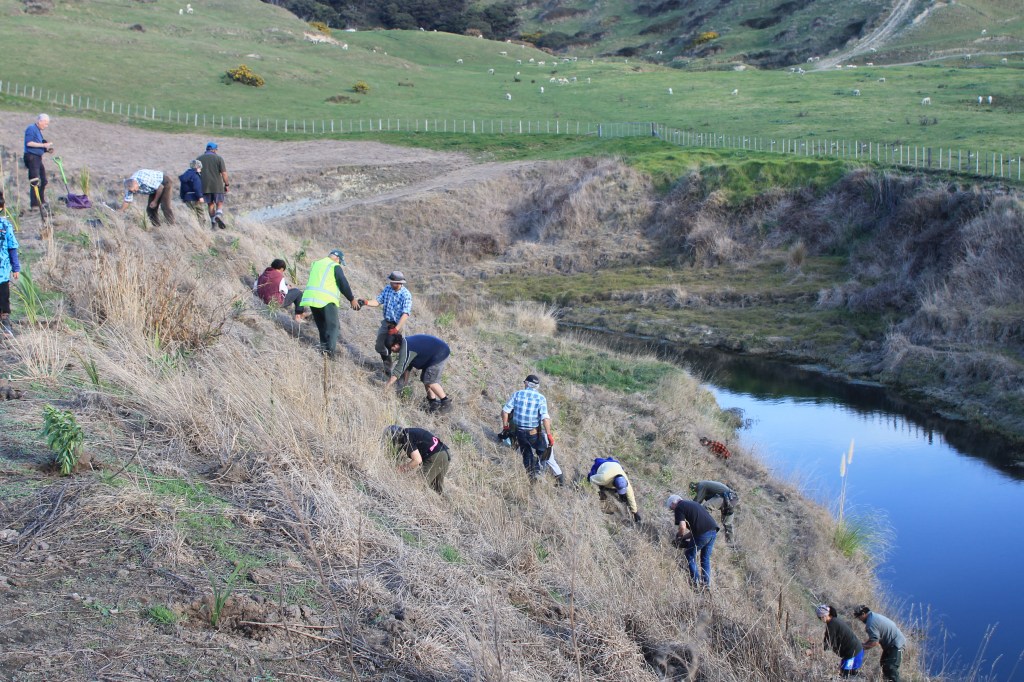
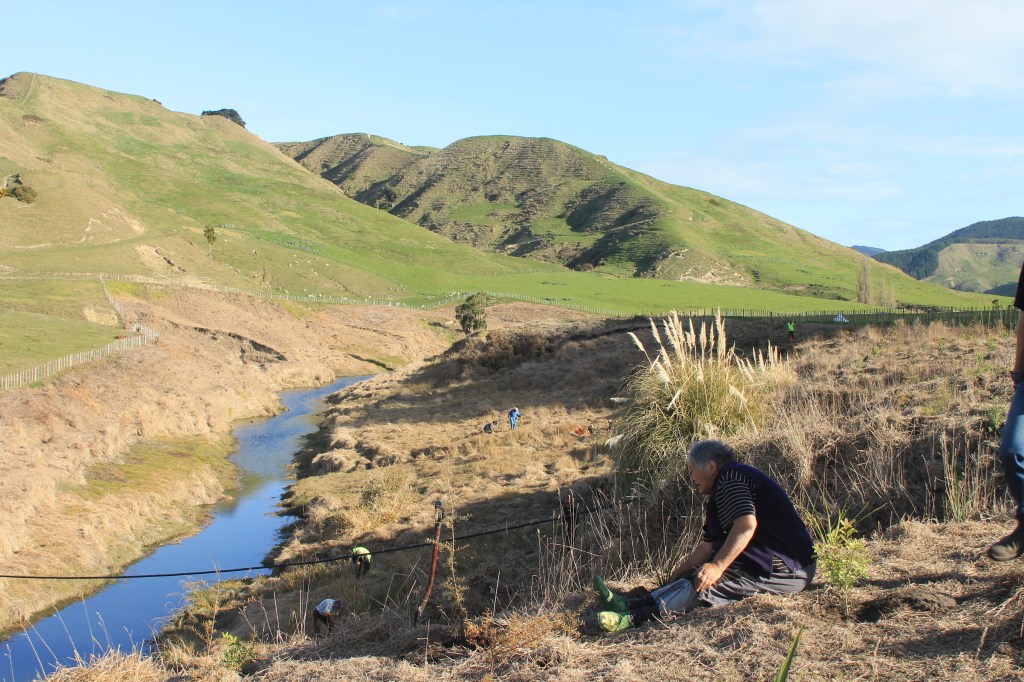
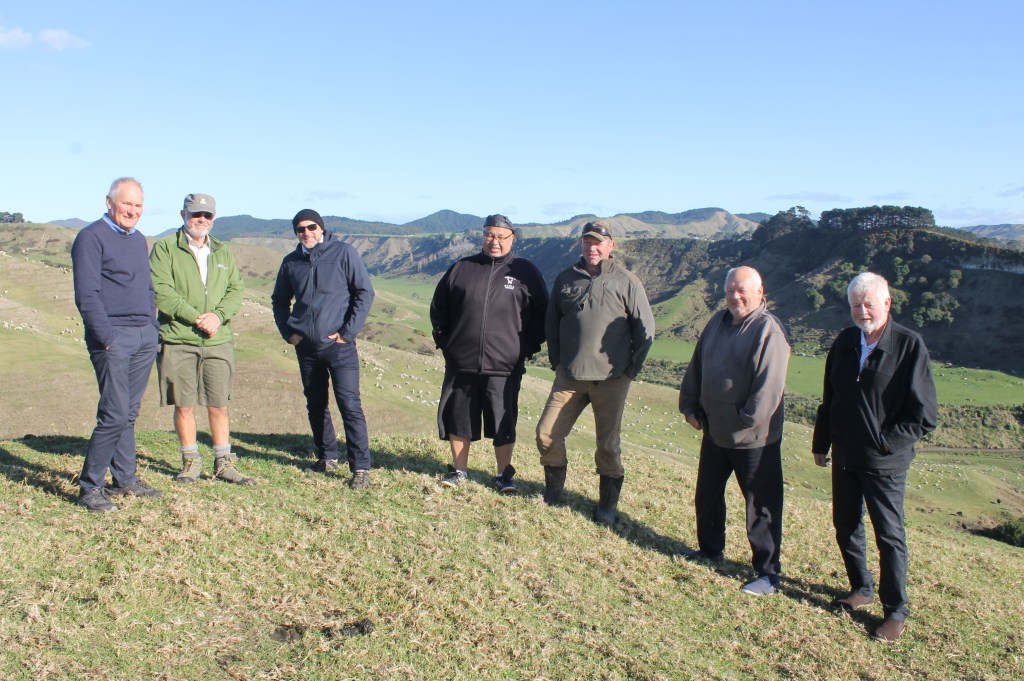
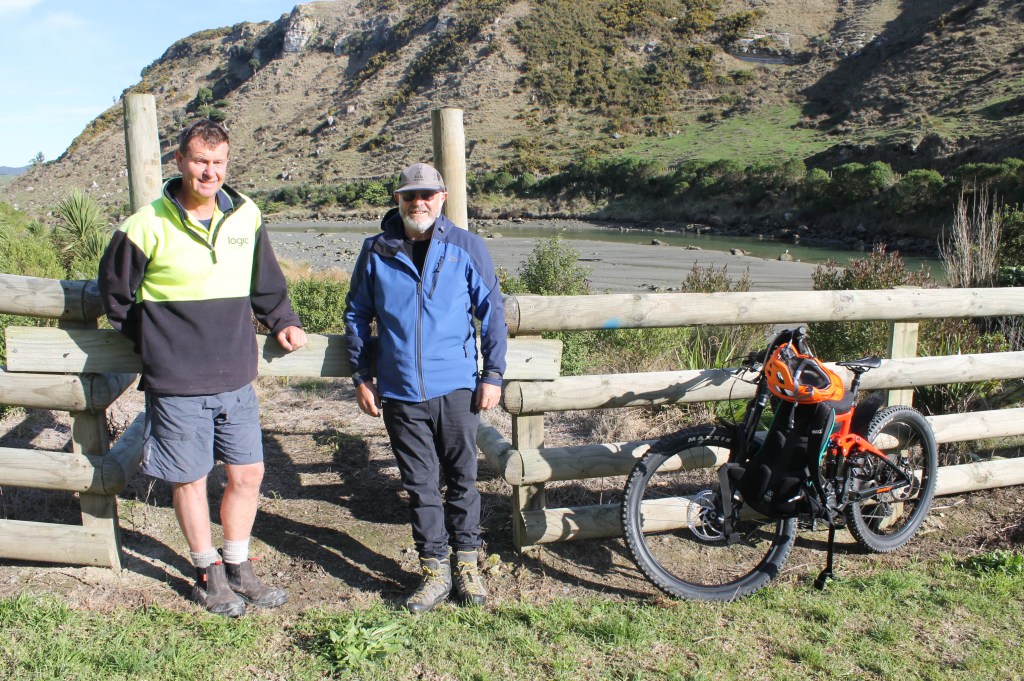
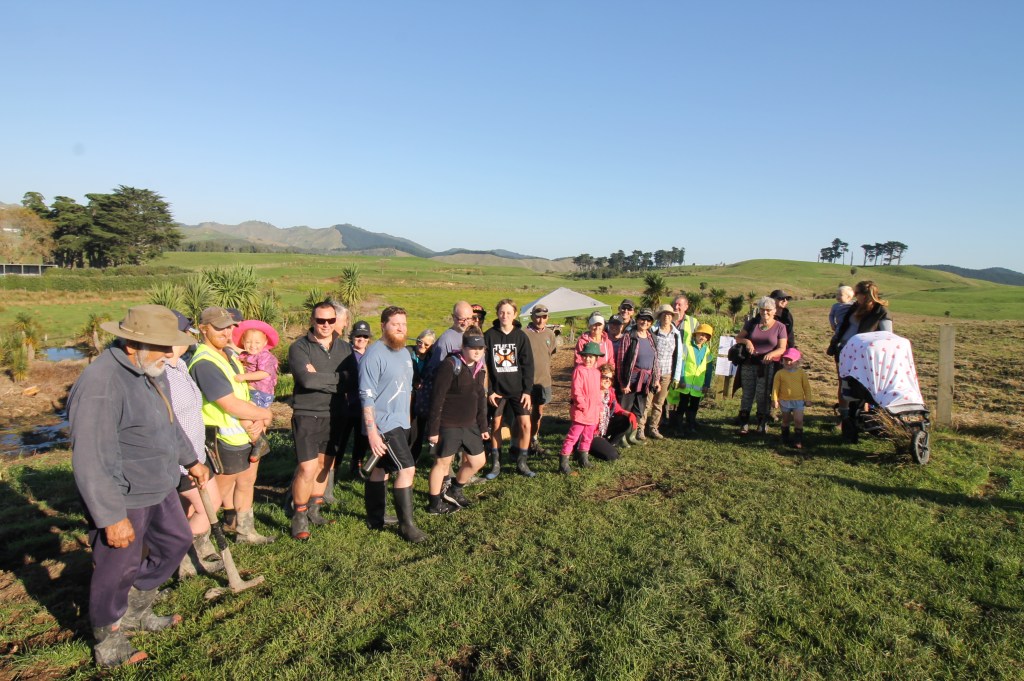
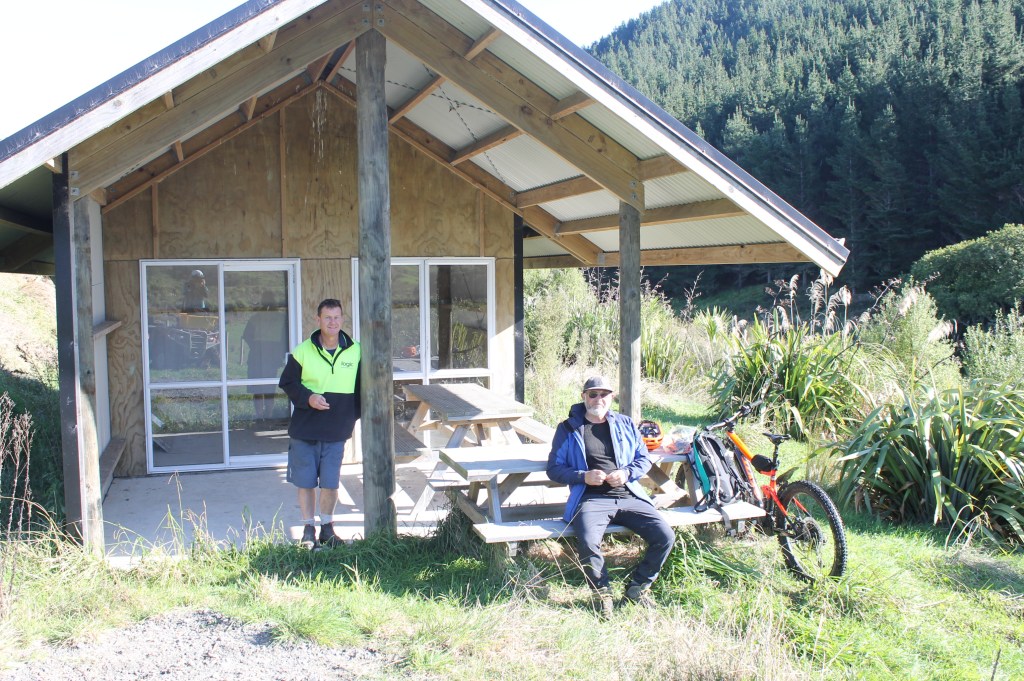
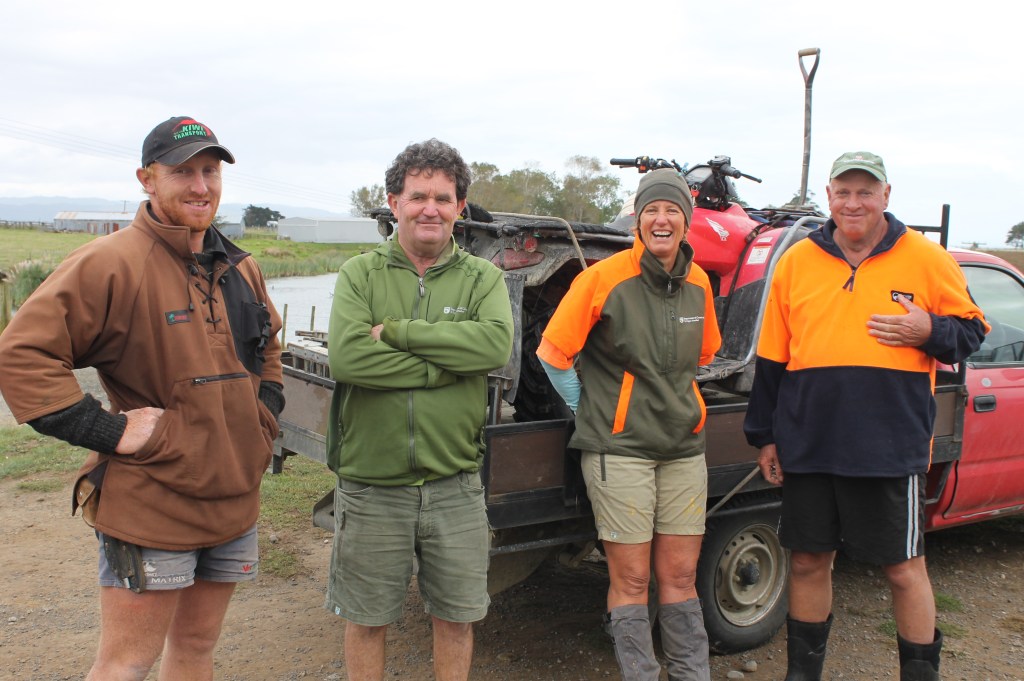
On Friday the 19 th of June, several contractors followed a health and Safety induction prior to starting the work along the Whangawehi walkway. The group was presented a work plan, a hazard identification document as well as an emergency procedure protocole.

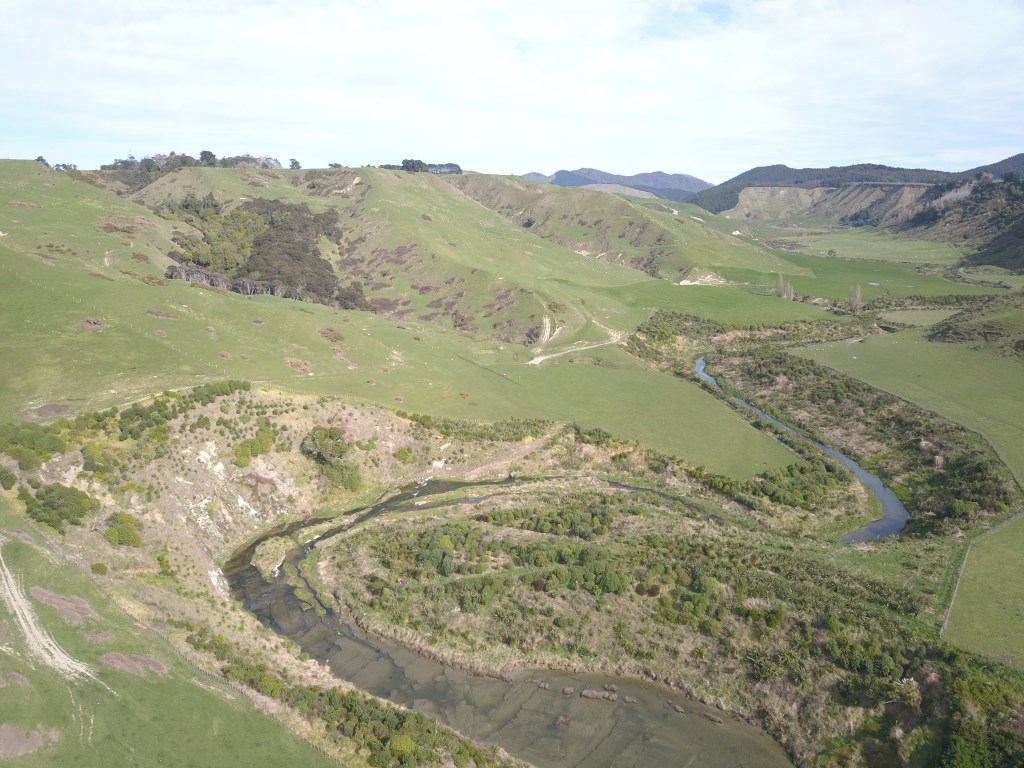
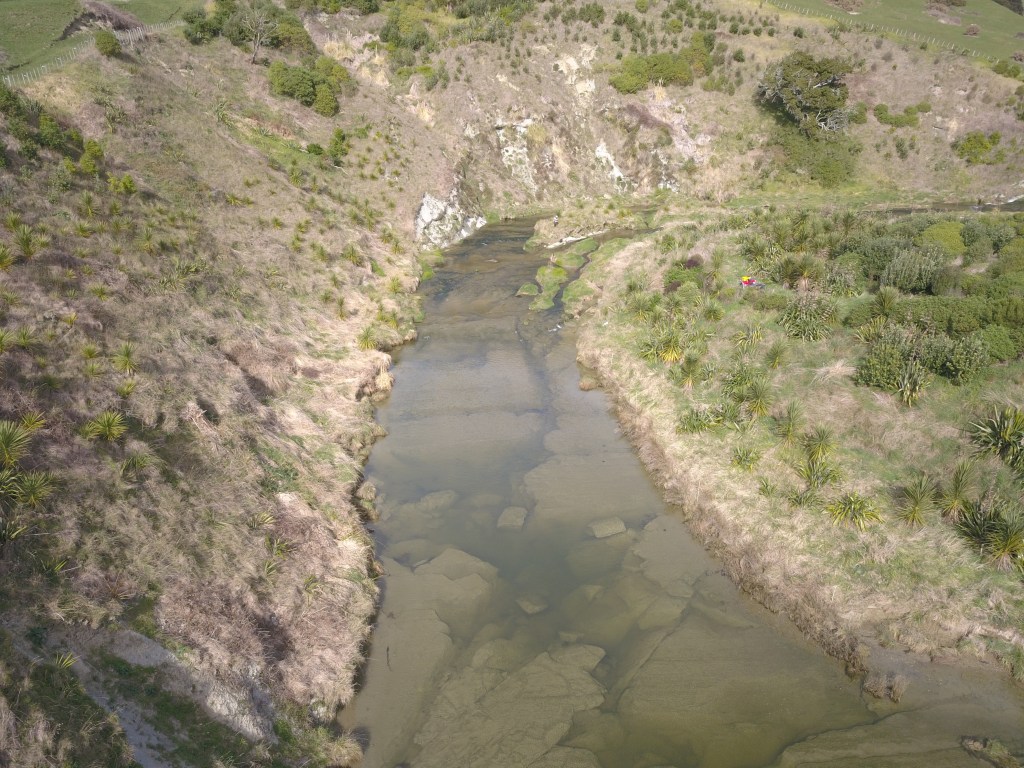
The group is now ready to start the work which will consist in clearing the track and cutting over hanging branches.

QRS supports the Whangawehi walkway

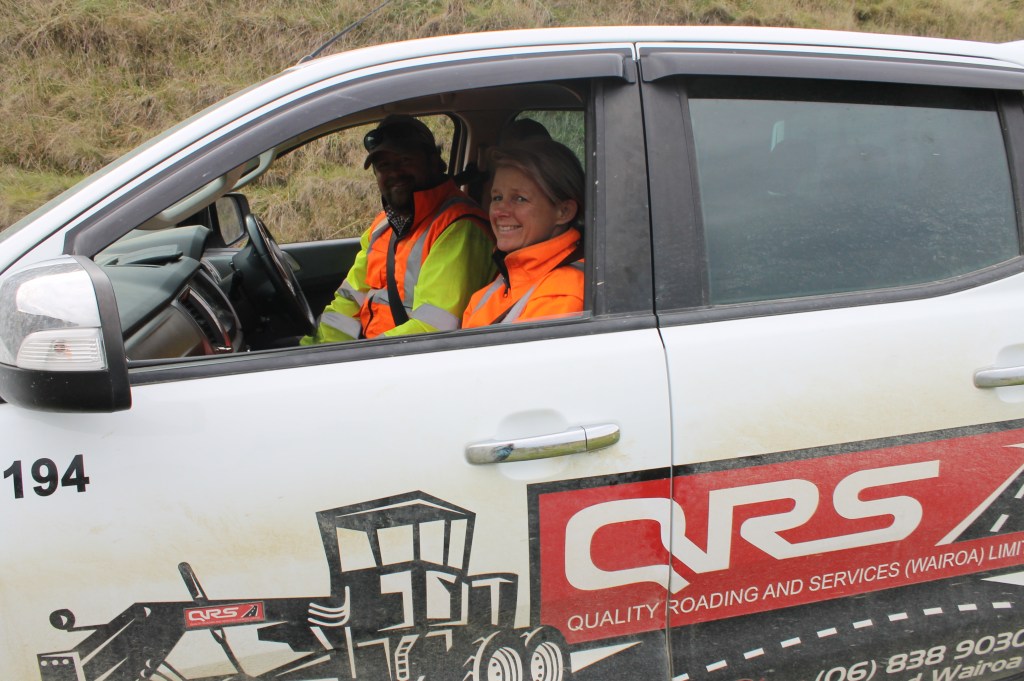
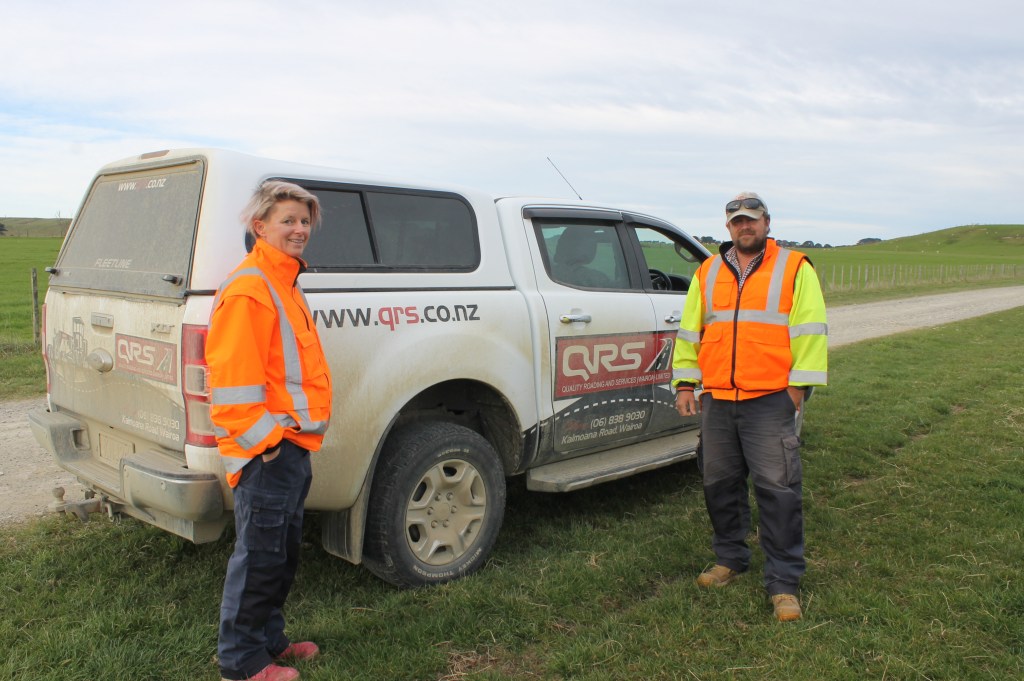
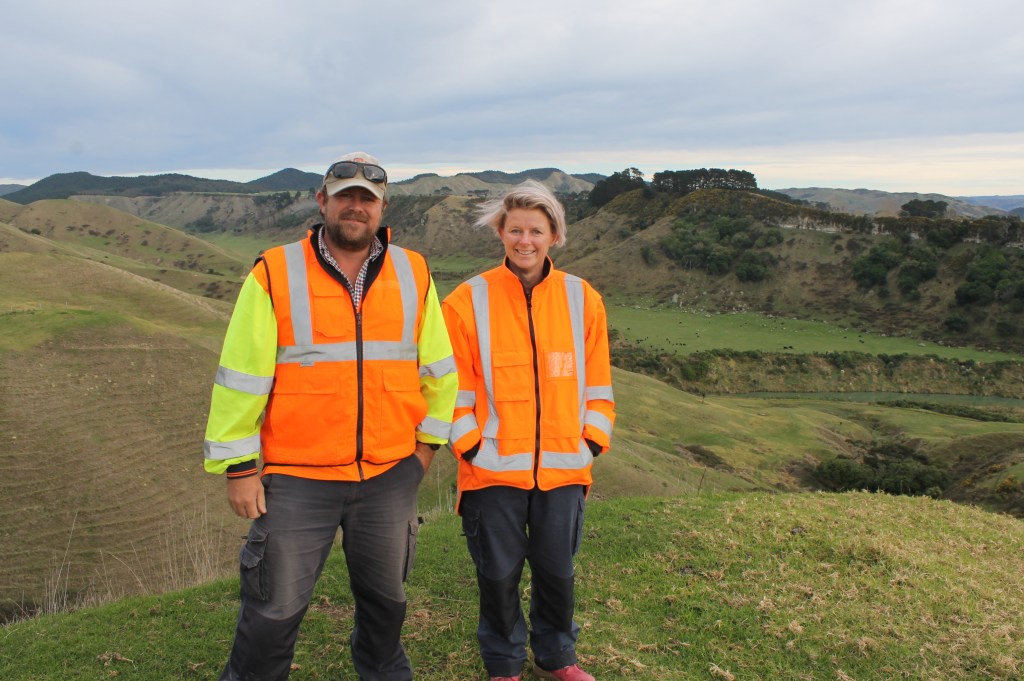
On Friday the 12th of June, Mike Wilson and Nickie Dowdell (from QRS) came to survey an access site for several truck loads of metal-donated towards the walkway. A big thank you to Wairoa District Council and QRS for their support to the Whangawehi Catchment Management Group. This is a dream coming to reality and we are extremely grateful.

Thank you all for your support.

Haere ra Sophie

Sophie will be remembered by the Whangawehi Catchment Management Group as a tireless advocate in making our community and environment better places to live in. She gave freely of her time  and was driven by passion for what she believed in making her a formidable opponent in any gathering or meeting. She was never afraid to speak up and speak her mind.

She was a woman of strong views, proud of who she was, honest in her opinions and we as a group respected the input she had into the group. She played a pivotal role in connecting people from all walks of life and working through issues in positve and meaningful ways.

Sophie spent many hours out on the whenua and at the schools working with us all, planning, planting, advising and sharing her wealth of knowledge.

She will be missed and remembered fondly as a woman of integrity and someone who walked the talk everyday

Pat OBrien Chair WCMG

Resource Consent -Whangawehi walkway

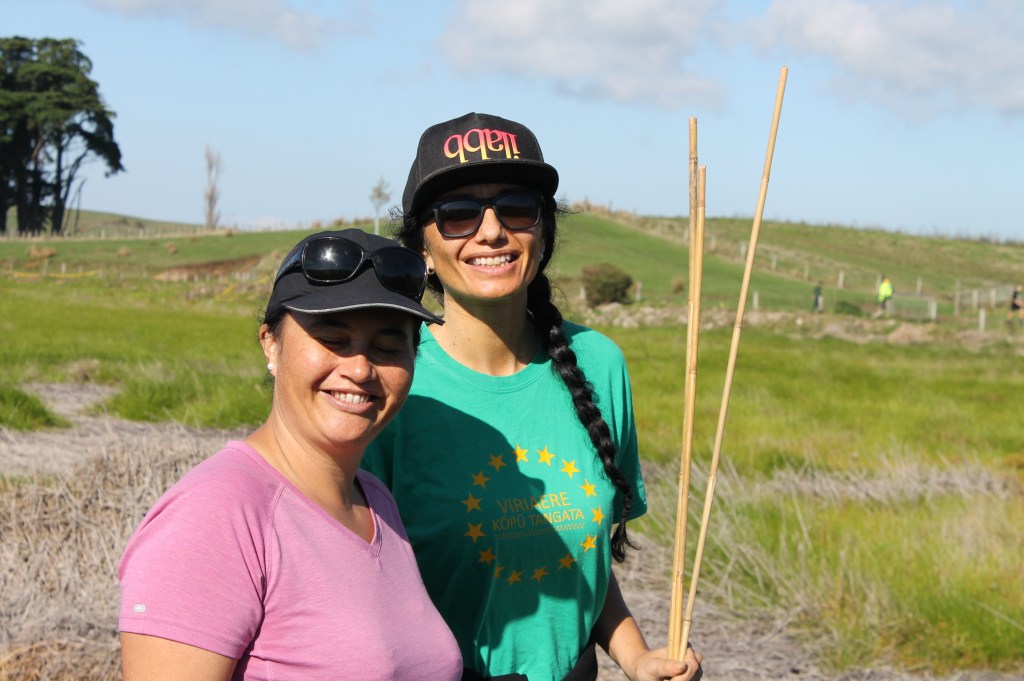
On Thursday the 11th of June 2020, Nic zoomed in with Hinetaakoha Viriaere, Senior Resource Consent Officer at Wairoa District Council to progress the Resource consent for the Whangawehi walkway.

Wairoa District Council is offering a pathway to follow appropriate processes around statutory co management duties in regards to resource consent. A big thank you to Hine for her great level of expertise and support.

Nic met with Mo Rongo CEO of the Iwi Trust to discuss the project and facilitate the process.

WCMG upgrades its Health and Safety policy

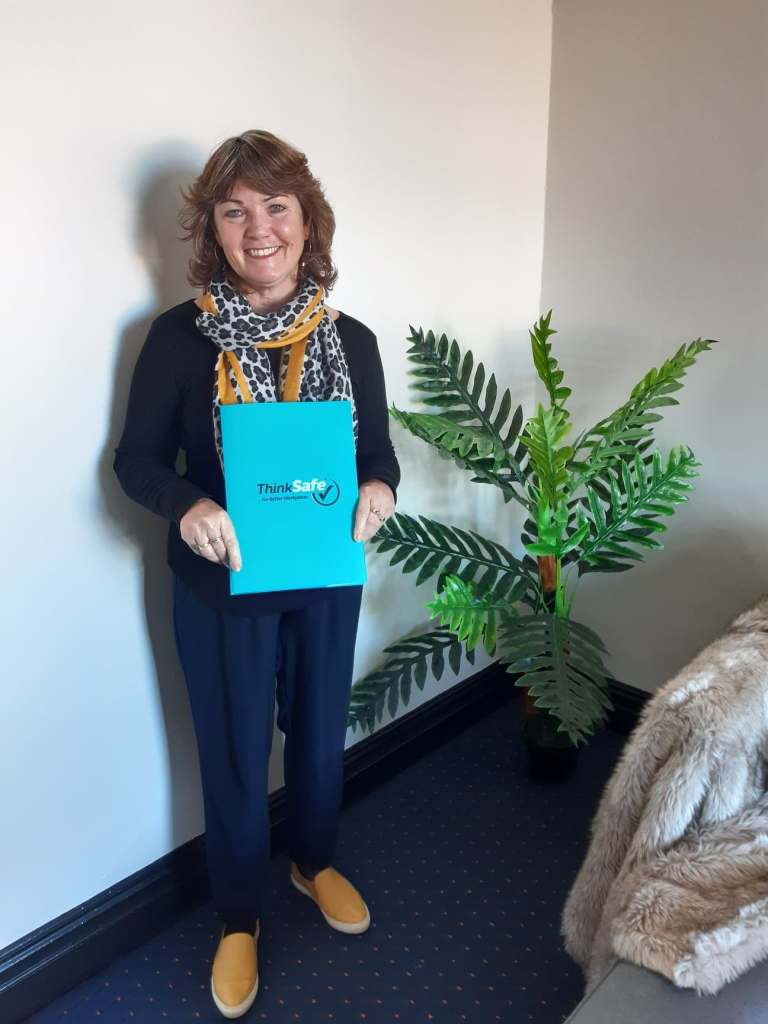
On Tuesday the 9th of June 2020, Sally Dalrymple from Think Safe Gisborne was asked by the group to upgrade its Health and Safety policy.

The upgrade includes contractors welcome and induction packs as well as a number of cloud based reports that can be filled out from a phone.

A big thank you to Think Safe and Sally for her guidance and support.

The Ministry for Business, Innovation and Employment gives the Walkway a go ahead

MBIE has given the Whangawehi Catchment Management Group the thumbs up in regards to their support for the construction of the Whangawehi walkway. We are now in a position to be able to commence work. An announcement from them will be made in the next few days.

A big thank you to MBIE and the PGF team for supporting this amazing community project that will allow the wider community to enjoy the fruits of a collaborative initiative between Marae, landowners, agencies and local school.

Design of the Waharoa

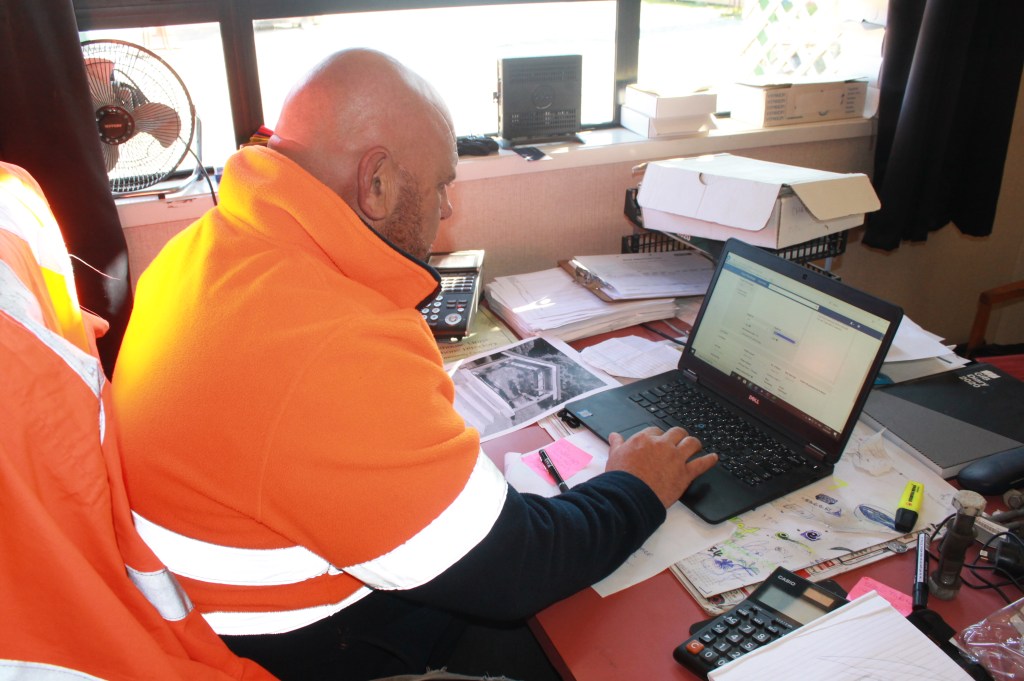
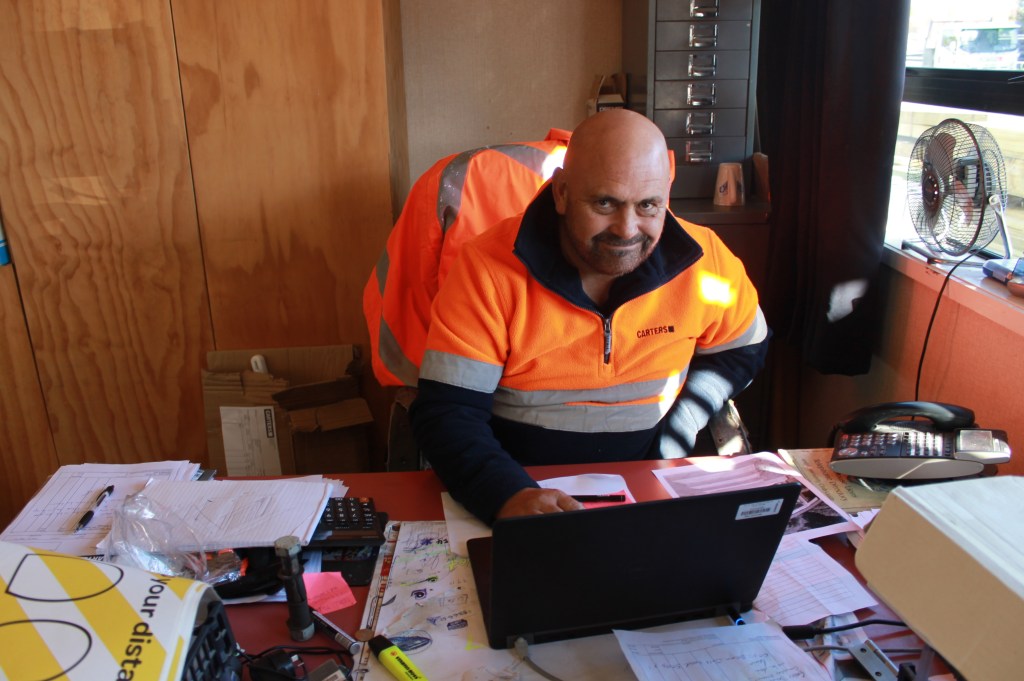
On Friday the 9th of June, Nic met with Elroy Spark from Carters to work on a design for the Waharoa at the entrance of the Whangawehi walkway.

Professional plans are required by Wairoa District Council in order to follow proper building consent processes. The plans should be ready for consideration within 10 working days. In the meantime, affected stakeholders are being engaged to see if they are supportive of the project. The Whangawehi Catchment Management Group would like to thank Elroy and his team at Carters Wairoa for sponsoring this community project.

A big thank you to Wairoa District Council and Hawkes Bay Regional Council staff for their support and guidance on this project

Eastern and Central Charity Trust supports the Whangawehi walkway

On the 28th of May 2020, Rose Artemiev, Community Advisor for Eastern and Central Charity Trust announced that the Trust has approved $170K towards the Whangawehi walkway and agreed to fund an additional $20K grant which will be used specifically to design small bridges as well as a suspension bridge.

A big thank you to the Trustees of ECCT for their support and investment in an infrastructure that will transform Mahia and the wider Wairoa District.

A special thank you from the Whangawehi Community to Rose Artemiev for her patience, dedication and guidance during the application process. We are looking forward to showing you the fruit of your investment.

Local school children release dung beetles on Mahia Peninsula

From Afternoons with Jesse Mulligan, 1:26 pm on 25 February 2020.

A large number of dung beetles were set loose on the Māhia Peninsula on Tuesday as part of a community initiative to improve the soil quality and manage run off from farm paddocks. 

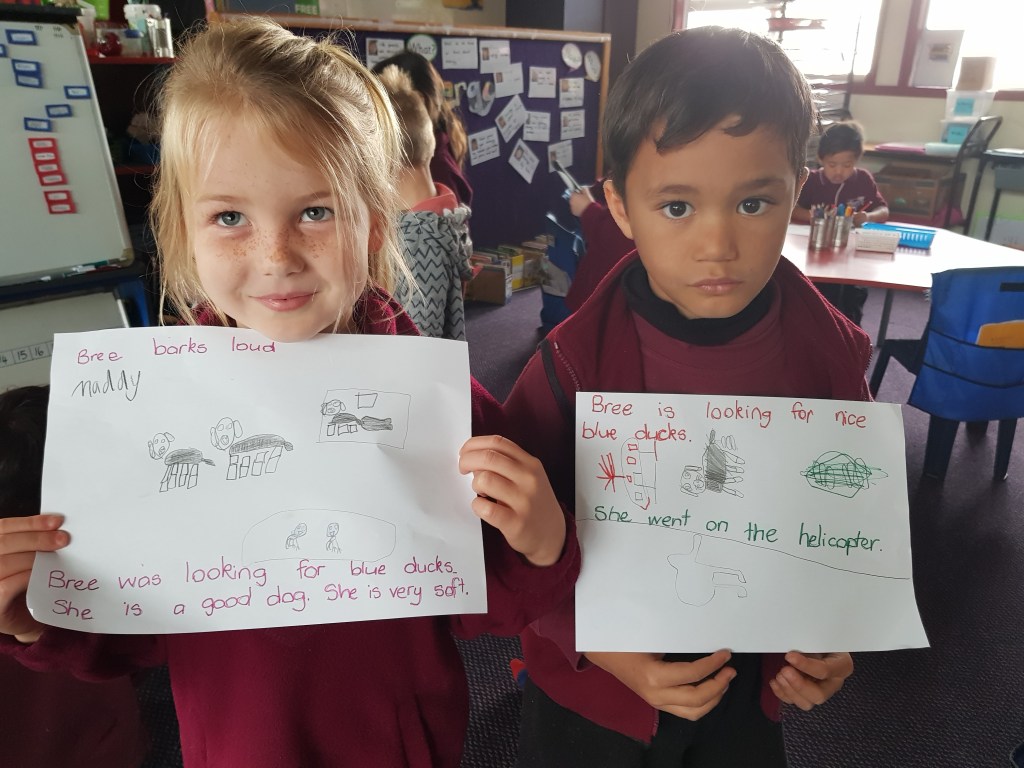
Local Māhia school children participated as part of the Hills Country Futures project citizen science initiative, run by Whangawehi a group formed to raise awareness of the health of water catchment in the area.  Mahia school children assist with the release of Dung beetles on Mahia Peninsula
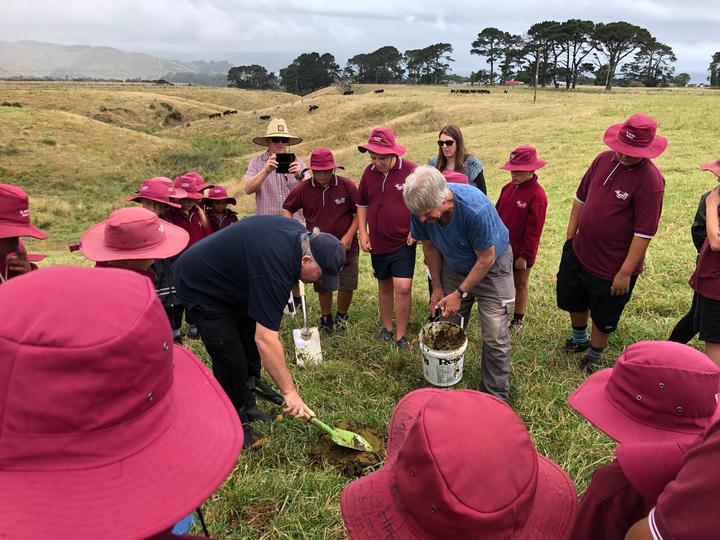
Mahia school children assist with the release of Dung beetles on Mahia Peninsula Photo:

Listen

Otago University emeritus Henrik Moller is one of the scientists who was there today and explains why the beetles are so good for the soil and the water.

He told Jesse Mulligan they released 5000 beetles.

“It was amazing fun, the kids really got into it, there was a fair bit of mayhem and poo flying around.”

The students made “really big poo sandwiches” he said and sealed the beetles between two layers of dung.

The beetles will do vital work, Moller says.

“We need dung beetles, we brought cattle and goats and sheep out here, but we didn’t bring with them the dung beetle fauna that existed where we brought them from, and that means we haven’t had this army of insects to bury and disperse the dung.”

He says the goal is for every farm to have the busy beetles in the paddock.

“Just like earth worms, they build the soil, they put carbon in the soil, the dung beetles build tunnels and then those tunnels act as tubes, build water, and improves the ability of the soil to hold water when drought comes so that’s good for farmers.         “

But most importantly the beetles bury the dung, he says.

“Most of all we’re worried about dung staying in the soil rather than washing off into waterways. Dung beetles attack the problem in the paddocks and reduce the amount that’s reaching those riparian strips. The two systems work really well together.”

Moller says there is little chance of a plague of beetles doing more harm than good.  

“We do have fifteen species of native dung beetle, but they all live in forest and they don’t fly. These introduced species don’t venture into the forest, so we’re really certain there won’t be any unintended consequences.”

He’s calling for a People’s Poo Beetle Movement to have these busy creatures all over Aotearoa, but says despite them breeding quickly we’ll need a lot of them.  

“We need millions upon millions of these things around New Zealand.”

Moller says he saw the beneficial effects of the beetles on a farm in Kaipara just last week.

“I think over 70 percent of the dung, even the fresh ones, had beetles in already, you roll them over and there’d be tunnels underneath it where the beetles have drilled down into the soil and they’ve kind of bulldozed the dung down into it sometimes, there’s be five even eight of these tunnels under each individual pat.”

That farm introduced the beetles five years ago, he says.

“It took five years to build up those numbers on that farm. We need billions of them out there.”
Soil moisture probes for Whangawehi

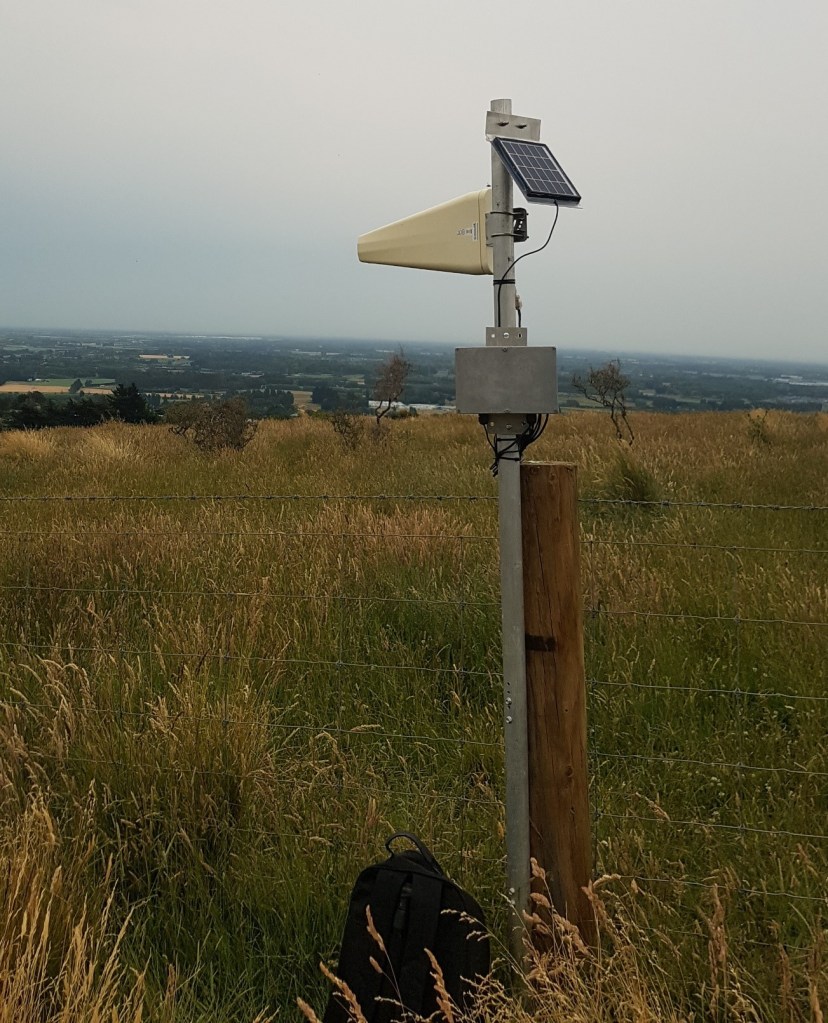
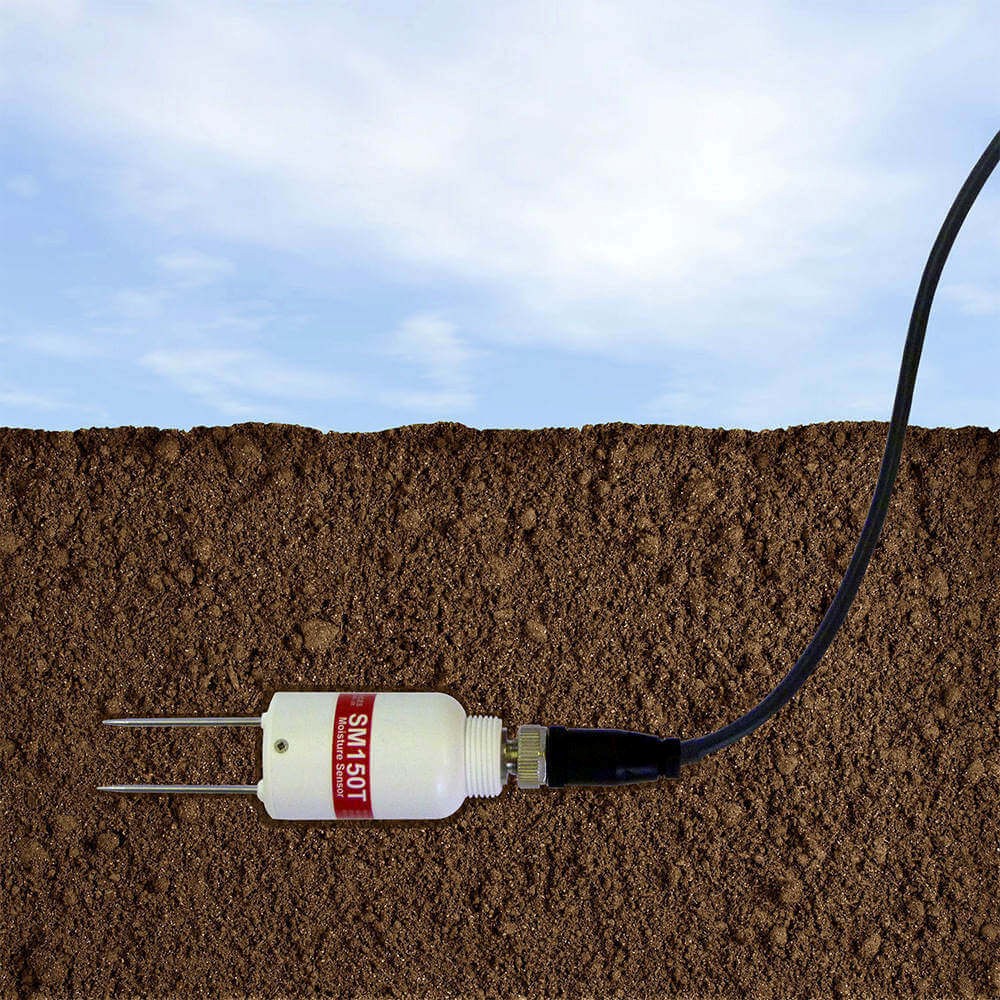
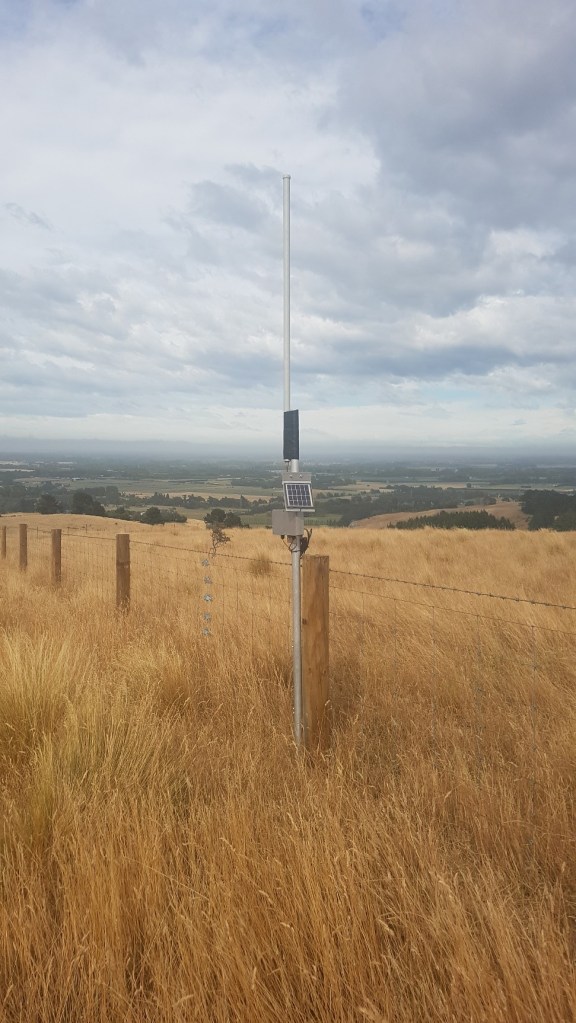
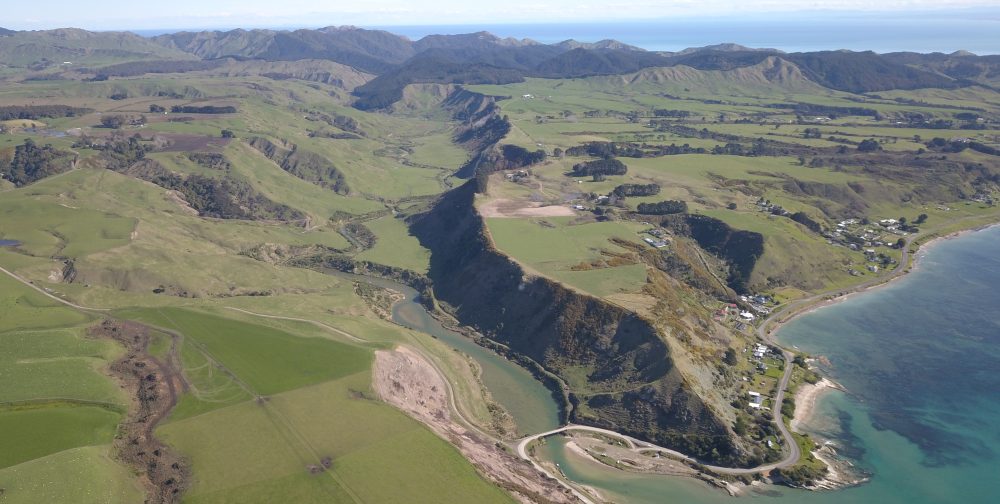
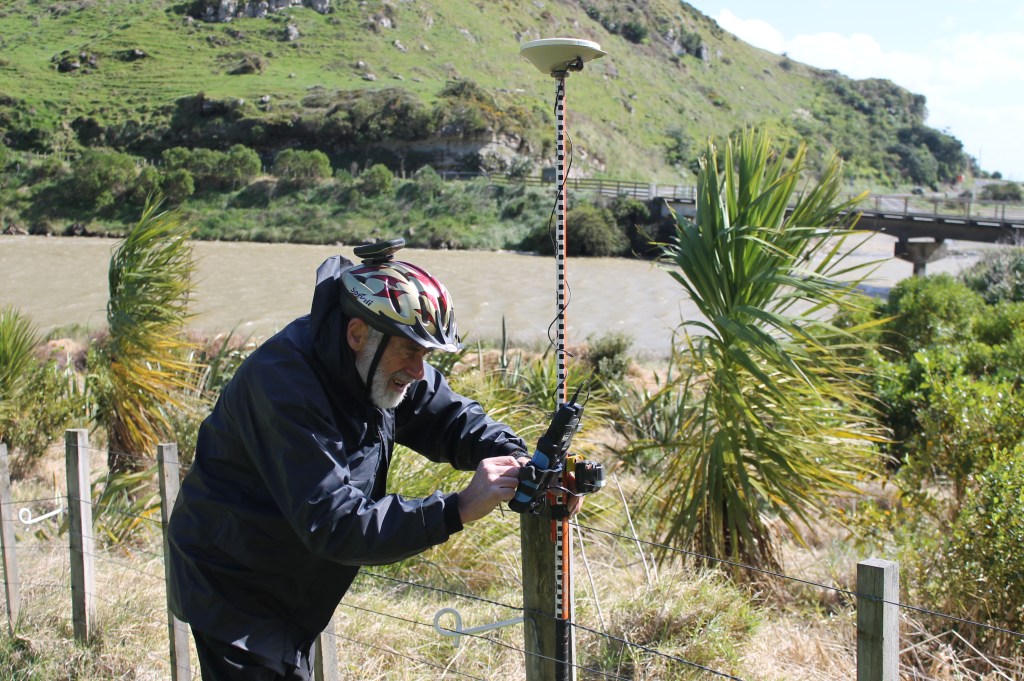
James Barringer and his team from Landcare Research are coming to Mahia on the 11th of March 2020 to deploy an array of soil moisture probes as part of the “Hill Country Futures” lead by B+L NZ. The long term goal will be to develop a soil water holding capacity model linked to a legume growth model for Mahia.
This research theme is designed to link with the broad national scale mapping of legume suitability (objective x.1).  It recognizes that hill country farms are diverse landscapes and seeks to give farmers tools to make robust decisions at the farm-scale about suitable locations for various forage legumes.  It seeks to use micro-scale indicators – soil moisture and soil temperature – to help guide farmers to identify where on their farm different forage mixes are most likely to do well.  The information is likely to be valuable beyond this specific goal.  Success in this project should lead to farmers being able to monitor these indicators at a few sites on their farm to predict conditions across the whole property, leading to more effective and timely decisions that lead to improved economic, environmental and social outcomes.  In the future, sharing data across the farming community could lead to even more robust predictions across the whole hill country environment.

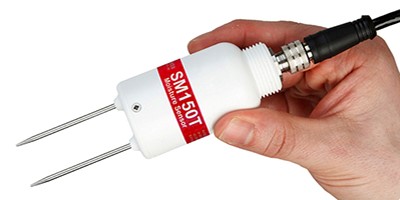
This exercise will involve us coming to several farms to establish a sensor network with 20 moisture/temperature sensors attached to a LoRA data logger which would be run for 2 years from June 2020.  Each data logger signals back to a LoRA gateway that is established at a site with cell network coverage – though note the cell reception does not have to be sufficient to hold a verbal cell phone call – just to transmit small data packages.  All the LoRA data loggers must be set up roughly in line-of-site of the LoRA gateway – although the latest LoRA technology does well at seeing into partially hidden parts of the landscape.