The Whangawehi Catchment Management Group had a display at the A&P Show in Wairoa in order to promote and raise awareness on stream restoration. The day was a real success due to the support received from our Community.
Thank you all for your help.


The Whangawehi Catchment Management Group had a display at the A&P Show in Wairoa in order to promote and raise awareness on stream restoration. The day was a real success due to the support received from our Community.
Thank you all for your help.
Friday was the last of a series of 4 very successful guided walks for the Whangawehi group. Nearly 50 participants attended this last event for a walk starting at the Waste Water Treatment Plant and finishing at the Whangawehi bridge. The public was given en explanation of the scheme as well as the restoration programme undertaken downstream by the community. The large numbers of participants reinforced the group’s conviction that there is a demand for a walk way/cycle way in order to show case the work done and share some of the stories associated with local Maori history with the wider community.
All participants were impressed by the work done and some will come back to support the community planting weekends. Thank you to the landowners for opening their gates for these special events and thank you to Arthur and Malcolm for sharing their knowledge of the area.


The first summer guided walk of the season got underway with a sizable group attending. Arthur, Malcolm and Nic shared the story of the Whangawehi river to a group of enthusiastic locals and holiday makers. The day was enjoyed by all and the group welcomes any other persons wanting to join the second walk planned for Saturday 2nd of January 2016. Thank you to all the landowners for opening their gates on these special occasions and Sandy from Go Bus for helping out with transport logistics during the holiday period. On behalf of the Whangawehi Catchment Management Group we wish you all a Happy New Year.


On the 22d of December, Len Syme, farmer in the Whangawehi Catchment officially joined the restoration programme by signing the group’s Memorandum of Understanding. Len farms a significant area of land in the catchment and leases Homestead farm (owned by Grandy Lake Forest). Back in 2012, Len Syme accepted to sell some of his land to the Hawkes Bay Regional Council to build what is now know as the Waste Water treatment plant. We welcome Len on board and are looking forward to working with him in the future. The group now has 12 signatories out of 15 landowners .
Tena koutou,
Our guided walks’ advertisement is now on air, if you wish to check it out double click on the short film below.
See you there.
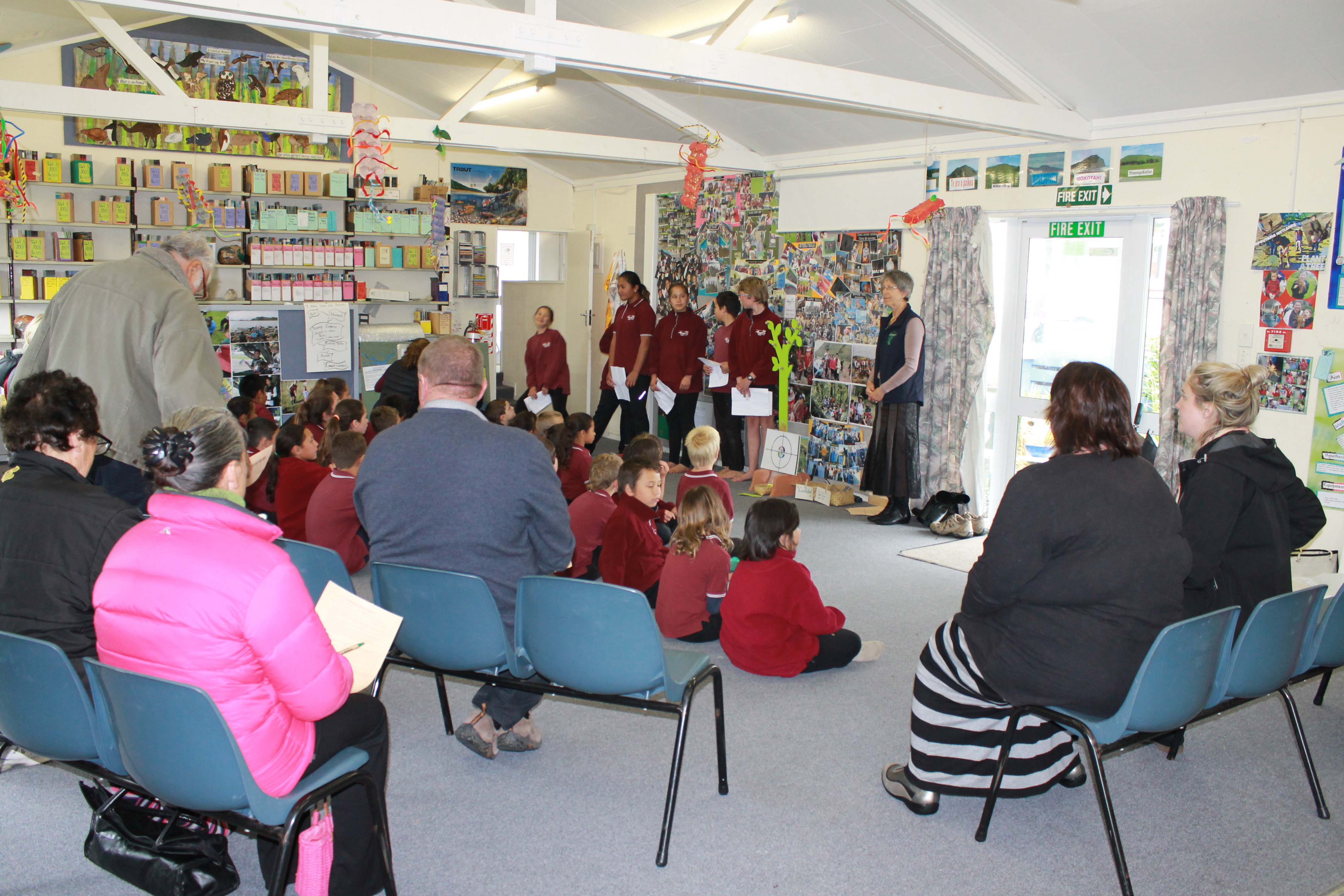
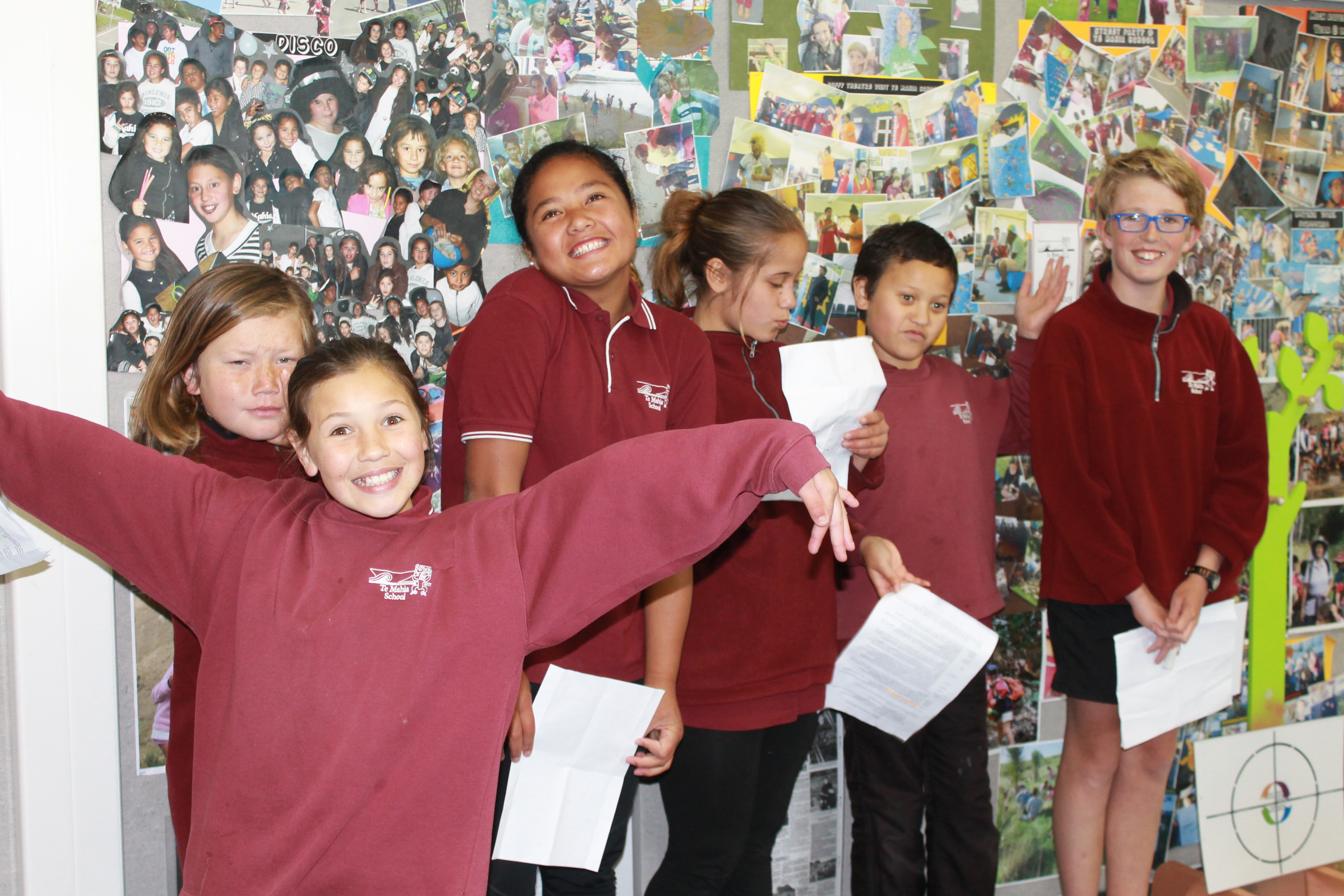
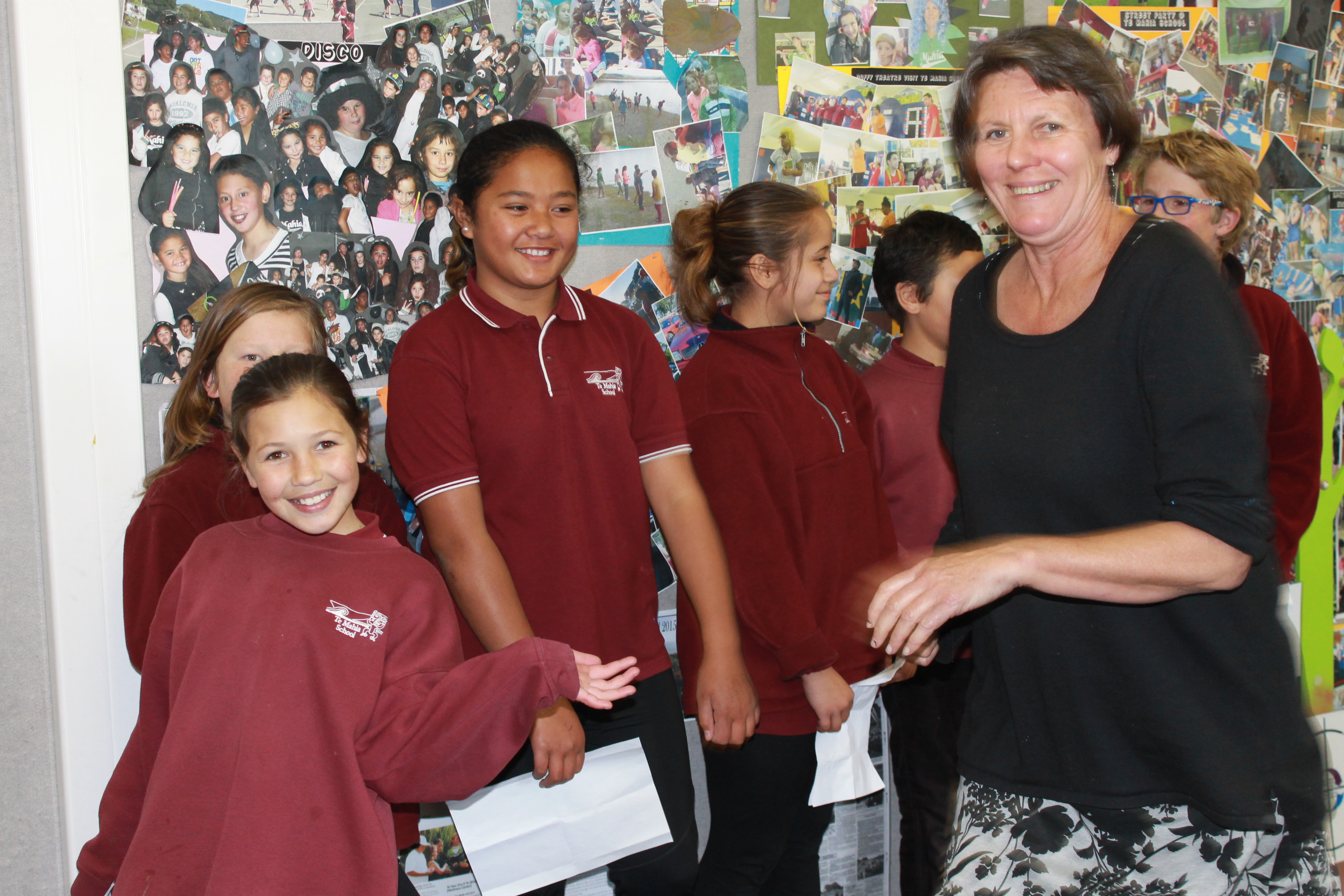
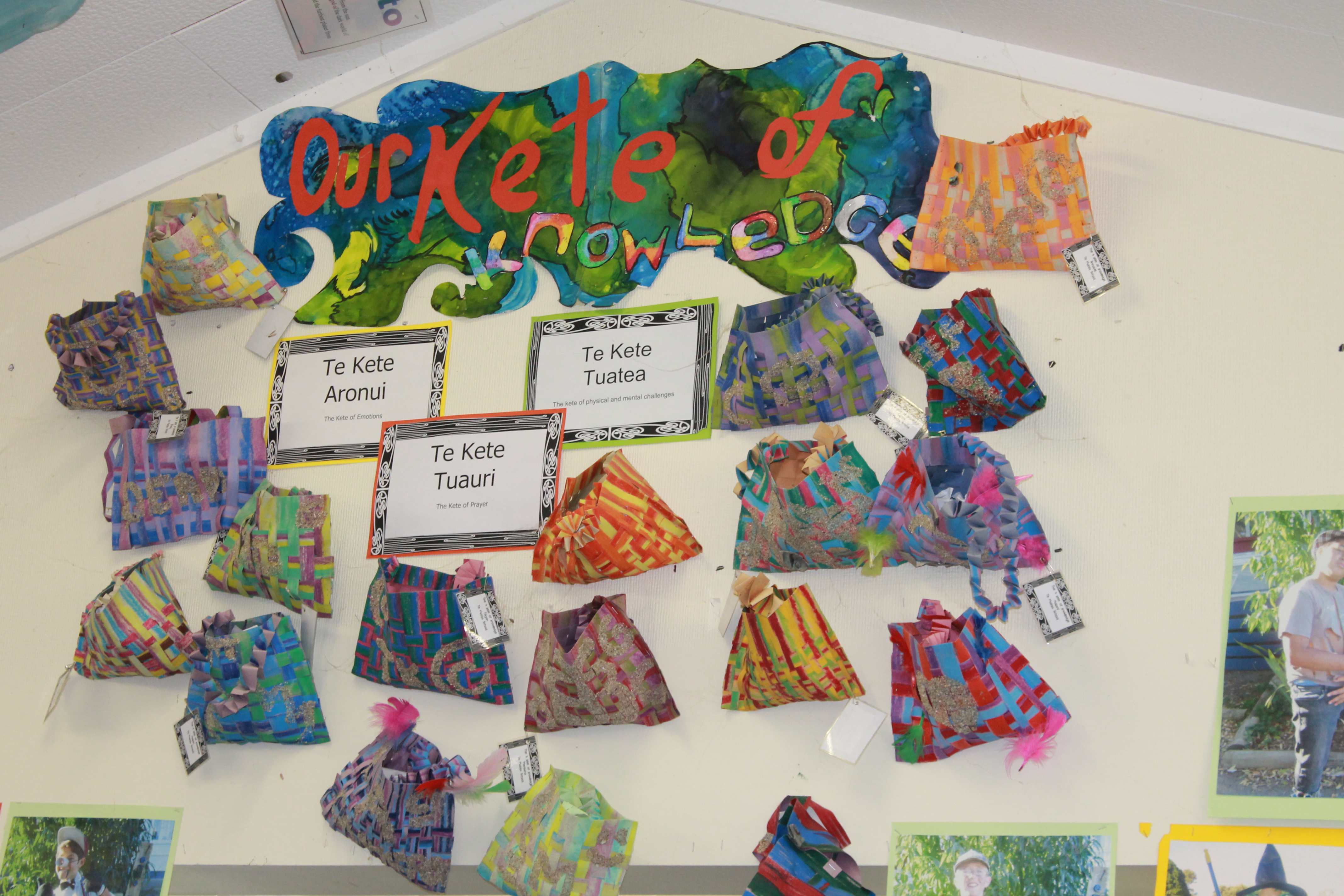
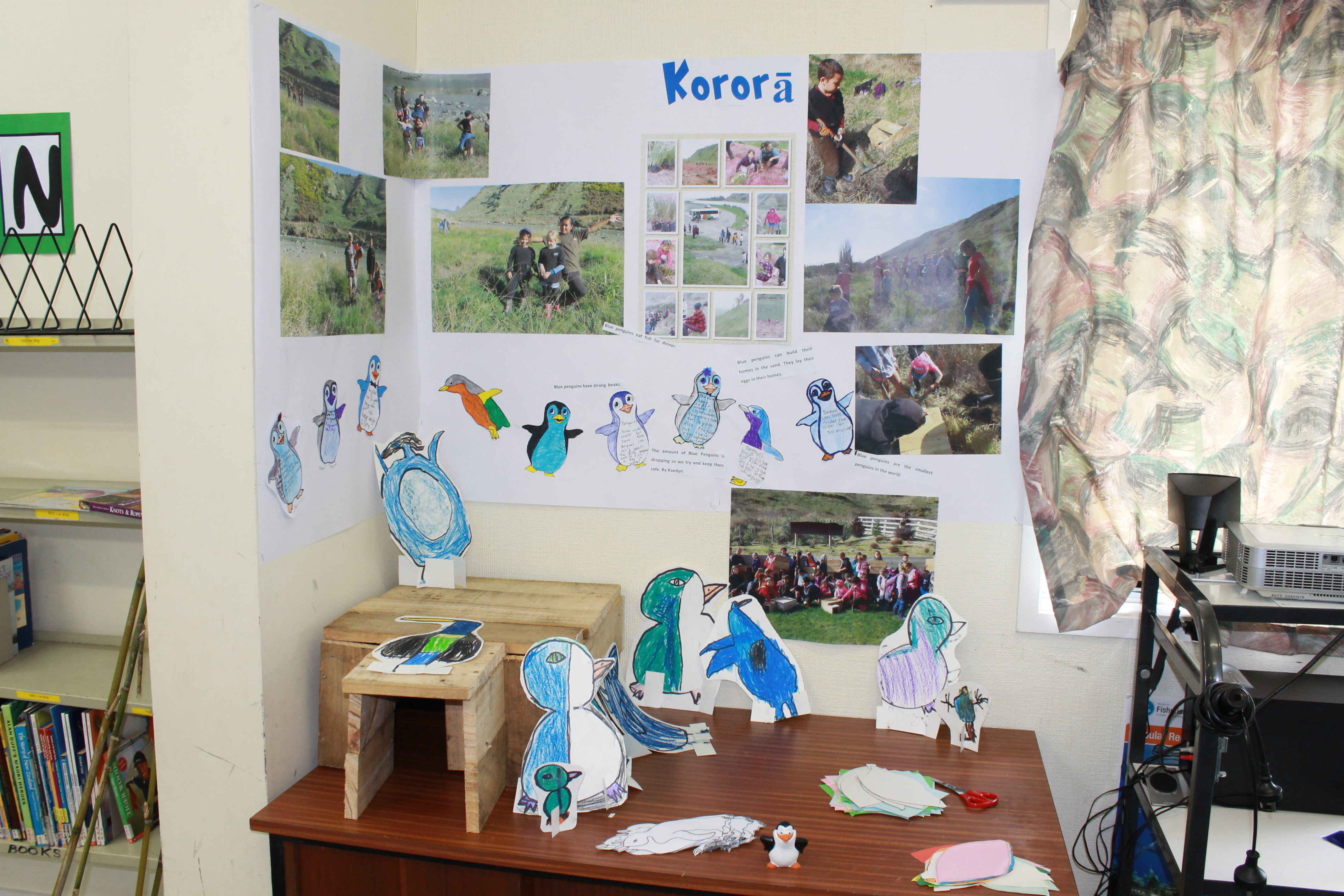
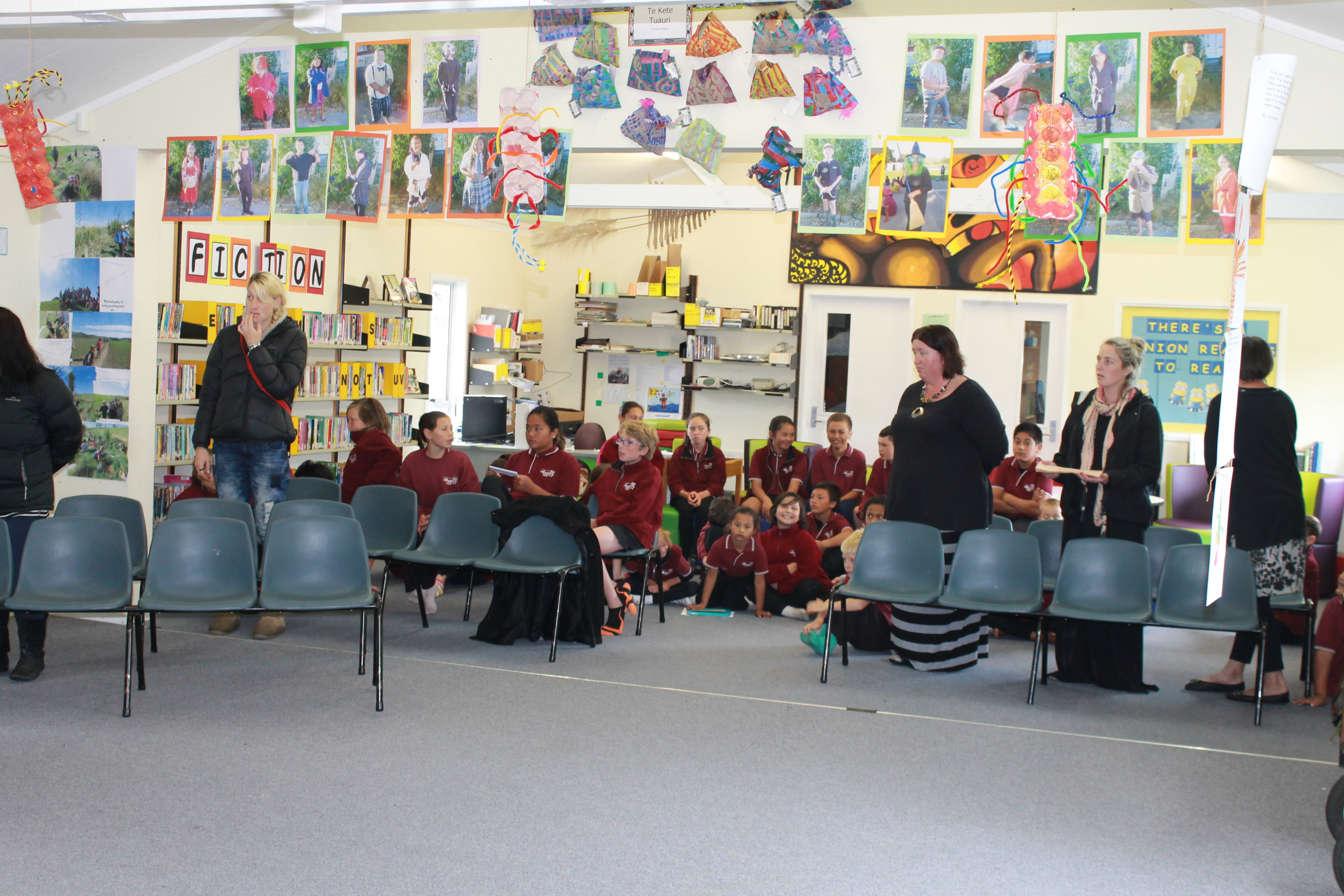
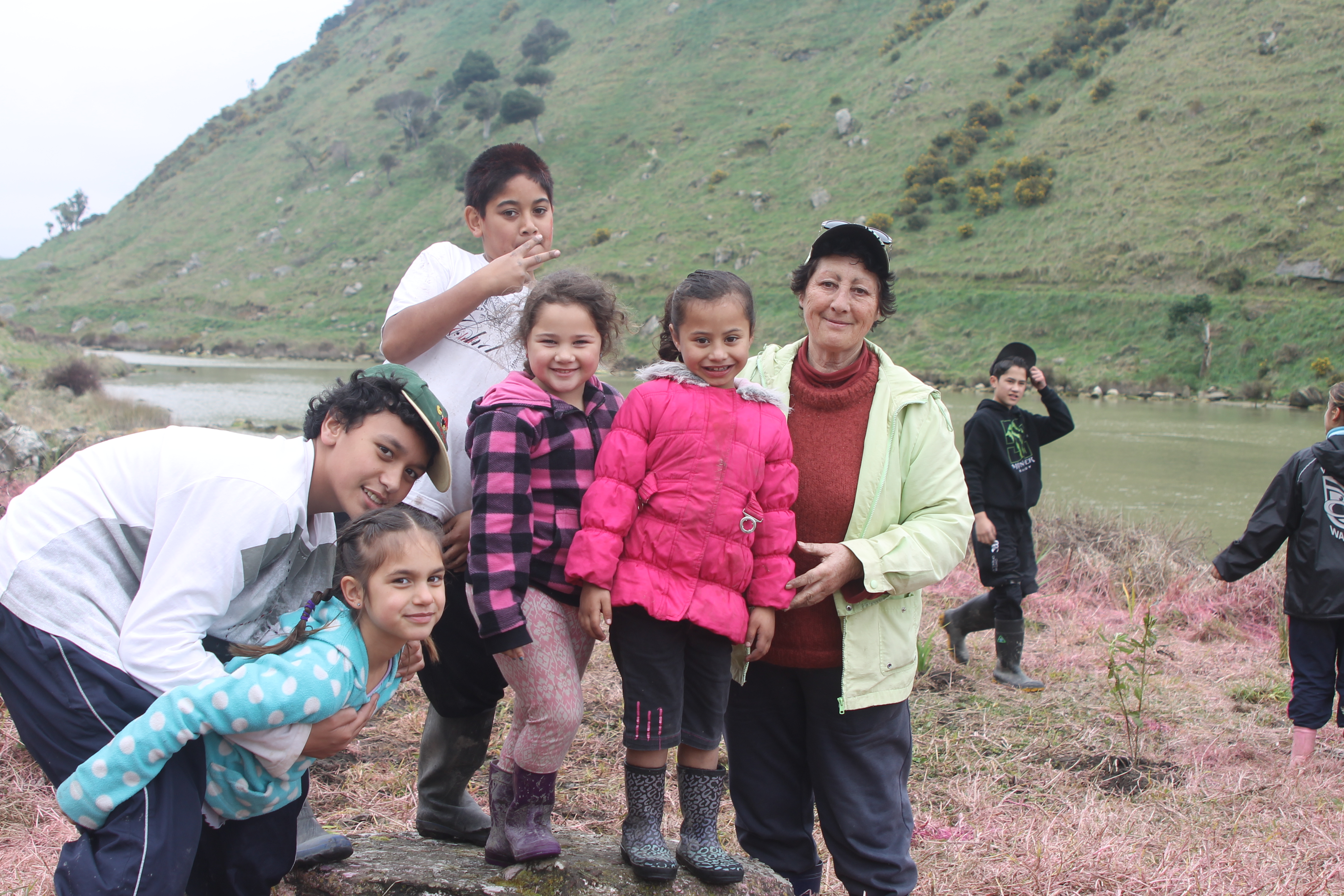
On the 5th of November, Te Mahia School students organised a Powhiri to celebrate their Silver Recognition as part of their Enviro school programme. Whanau and teachers were much impressed by the presentations given and the work achieved so far. It was quite inspiring to see the progress made in such a short period of time. Next years’ programme looks quite exciting with a lot of hands on activities and a focus on our Blue Penguin restoration programme. Congratulations to the students, teachers, whanau and Jenni Scothern our School Coordinator.
Kia ora koutou, Hi all,
With less than 4 days to go, we need your support to reach our fundraising targets. Please follow the link and donate to :
http://millionmetres.org.nz/donate/
Check out our short video and support the project : FundraisingcampaignWhangawehi
Thank you
Hi all,
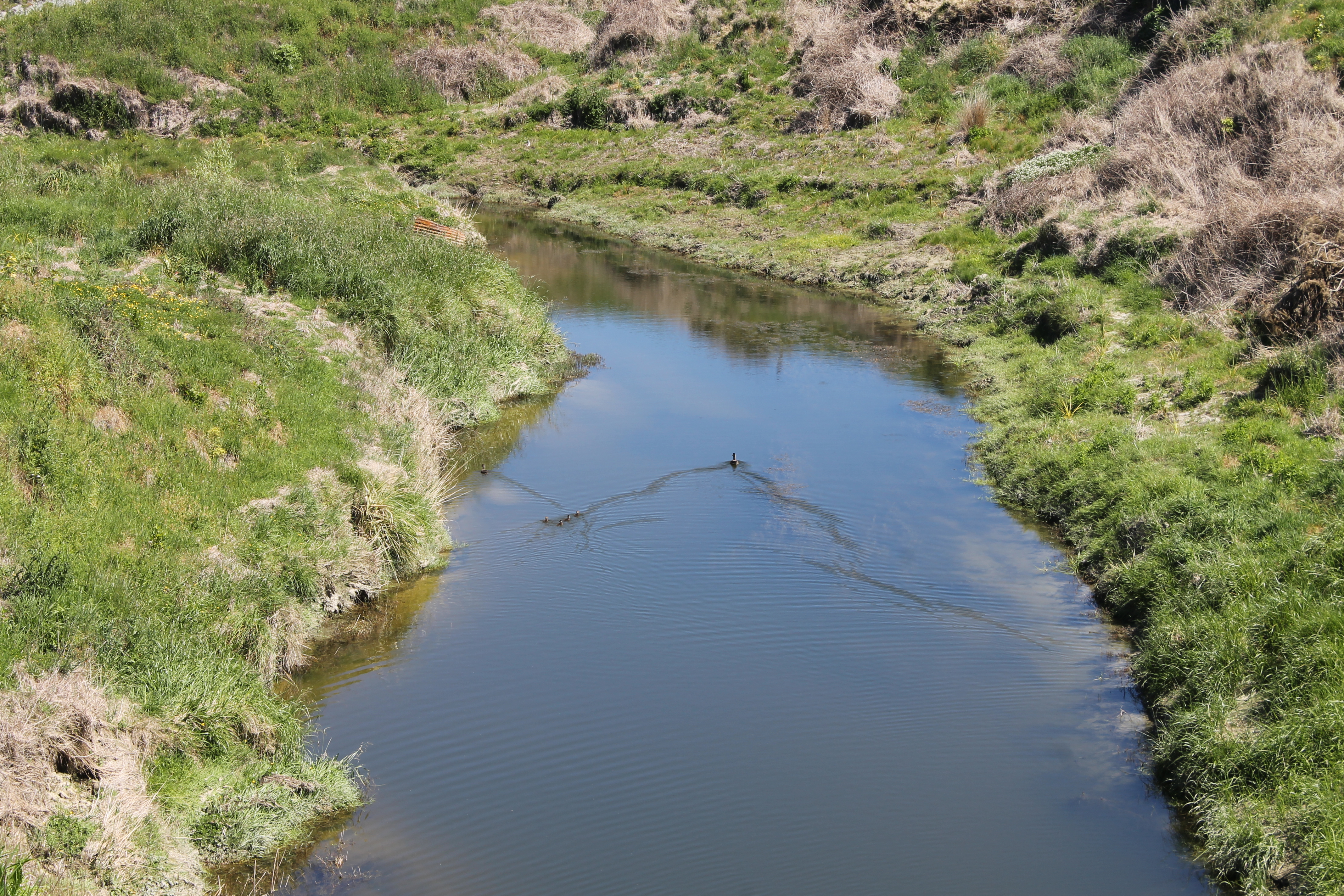
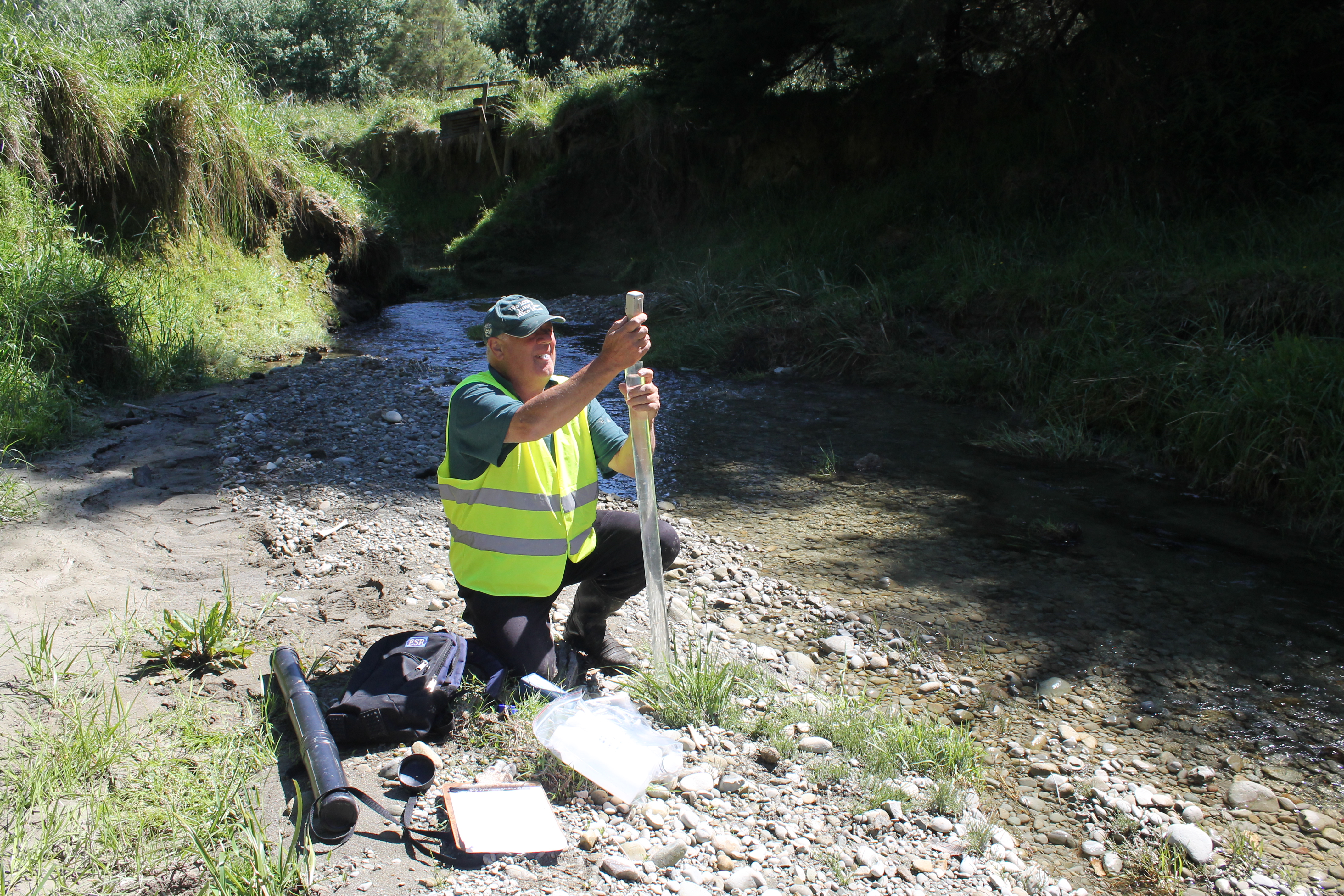
Arthur Bowen, our water monitoring coordinator, did our spring assessment as part of our water monitoring programme. Water quality looked pretty good but the main highlight was the observation of large numbers of birds in the retired areas. Fish numbers are also on the increase especially White Baits and Eels. Mud snails and cockles were sampled in the estuary and sent to Hills Laboratory to be tested for heavy metals and hydrocarbons. Both planting sites on Grandy Lake/Taharoa and Pongaroa are looking magnificent which is quite encouraging.


Our fundraising campaign finishes in 2 weeks time. Thank you for your support.
The journey of Crayfish
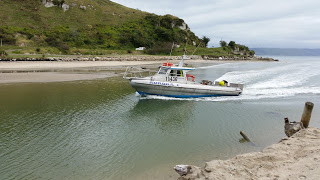
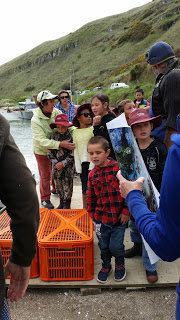
The journey of crayfish started in the sea but our day started down at Whangawehi as we waited patiently for the boat Aurora to come and dock down in the Jetty. Skippered by Selwyn and his crewman Tom they pulled into the jetty with baskets full of crayfish. The tamariki got a close up look of the crayfish in their baskets.
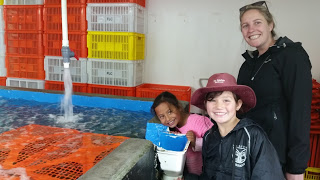
Both our journey and the crayfish’s journey carried on to Mahia Beach as we trailed behind Selwyn’s truck that carried the sea creatures. We got to view the holding pools where the crayfish were transferred into from the truck. Yvette weighed the catches in their baskets before they were put into the pools. The water in the holding pools had to be around 11 degrees to keep the crayfish from getting distressed. No more than 12kg of crayfish were put in each basket allowing room for the crayfish to move around. The holding pools that we viewed could fit up to two tonne of crayfish but the truck that transports them out of Mahia can’t hold as much crayfish therefore the number of trips per week varies.
When the crayfish are delivered to the depot in Masterton or Wellington they are graded A, B, C or D based on their size. Crayfish are then exported to other countries and are put into special chilly bins to hibernate. The temperature inside the chilly bin is lowered in order for the crayfish to hibernate and sleep. When the crayfish arrive at their destination the temperature in the chilly bin is increased resulting in the crayfish waking. Majority of the crayfish that leave our shores are exported to Asian countries, one in particular is China.
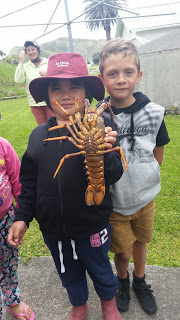
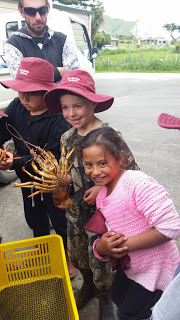
We all had an amazing day learning about crayfish. The tamariki also held a crayfish and loved posing holding them. We learnt interesting facts about crayfish and crayfishing too. A female crayfish has fins on the inside of its tail and that is where the eggs are kept. Around the beginning of October is when female crayfish start dropping their eggs. Two of the most important facts the children were told is you cannot take crayfish with eggs, and the legal size in which you can take a crayfish, is it has to measure at least 60mm across the tail.
Thank you Selwyn, Tom and Yvette for sharing your experiences and knowledge of crayfish, crayfishing, storing and exporting crayfish, and also to the crayfish where none were harmed in our journey!
 Whangawehi Catchment Management Group