WCMG upgrades its Health and Safety policy

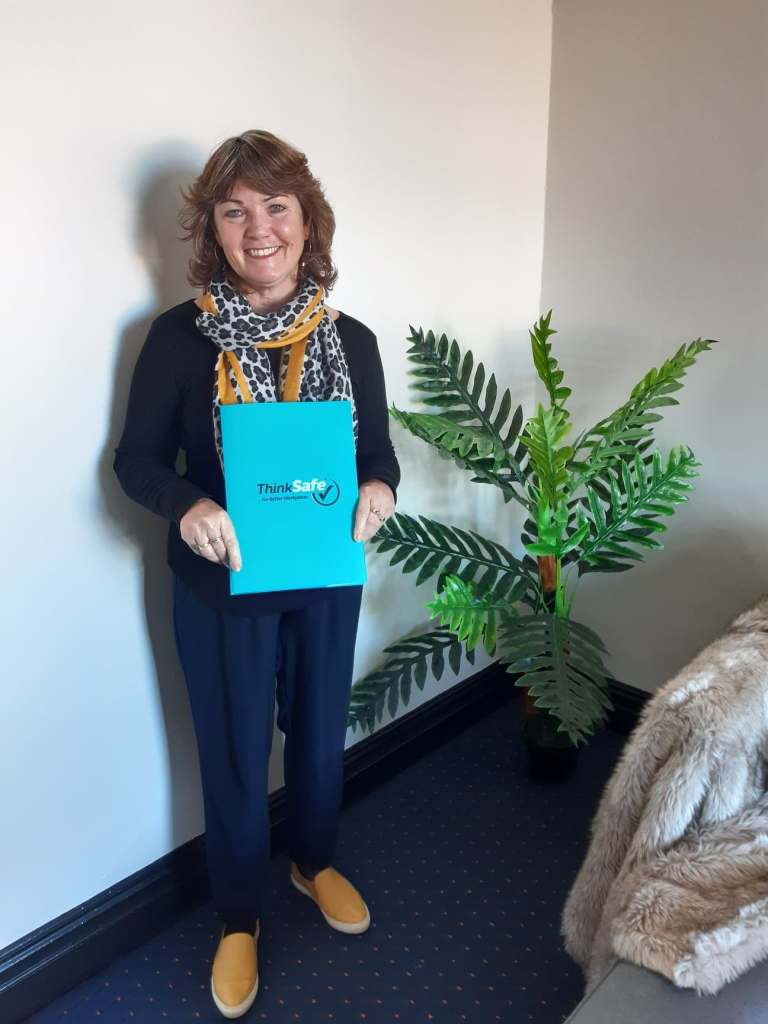
On Tuesday the 9th of June 2020, Sally Dalrymple from Think Safe Gisborne was asked by the group to upgrade its Health and Safety policy.

The upgrade includes contractors welcome and induction packs as well as a number of cloud based reports that can be filled out from a phone.

A big thank you to Think Safe and Sally for her guidance and support.

The Ministry for Business, Innovation and Employment gives the Walkway a go ahead

MBIE has given the Whangawehi Catchment Management Group the thumbs up in regards to their support for the construction of the Whangawehi walkway. We are now in a position to be able to commence work. An announcement from them will be made in the next few days.

A big thank you to MBIE and the PGF team for supporting this amazing community project that will allow the wider community to enjoy the fruits of a collaborative initiative between Marae, landowners, agencies and local school.

Design of the Waharoa

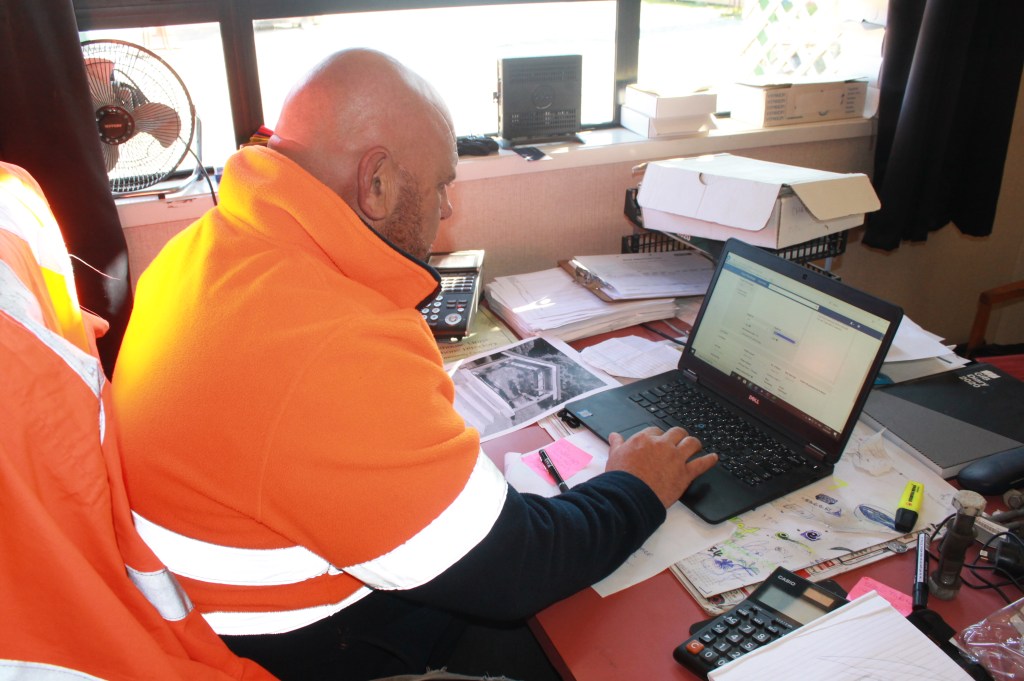
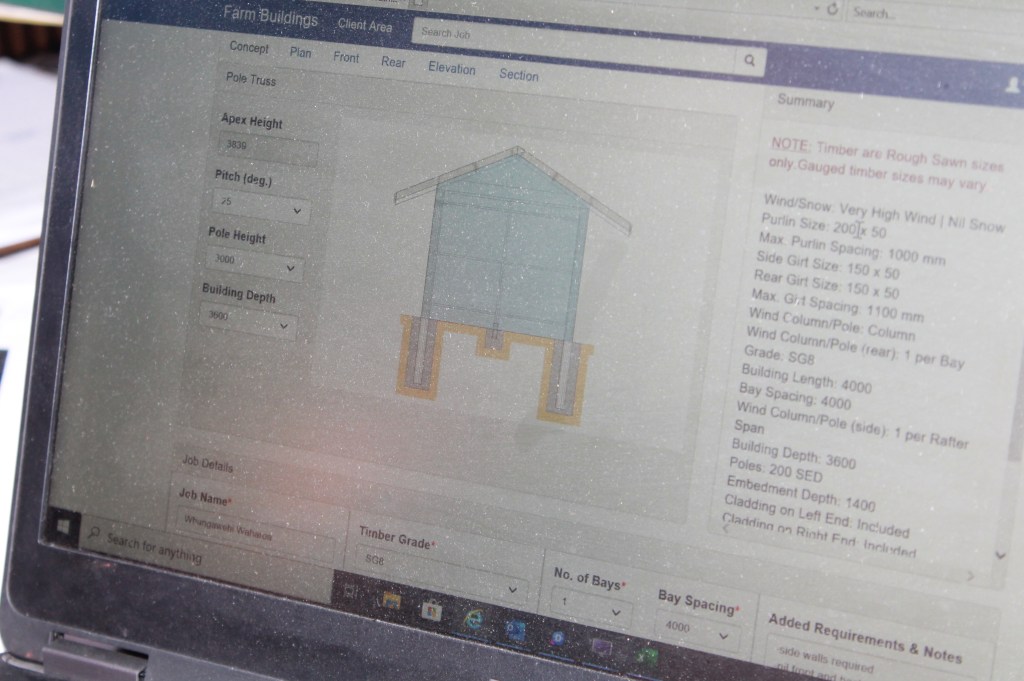
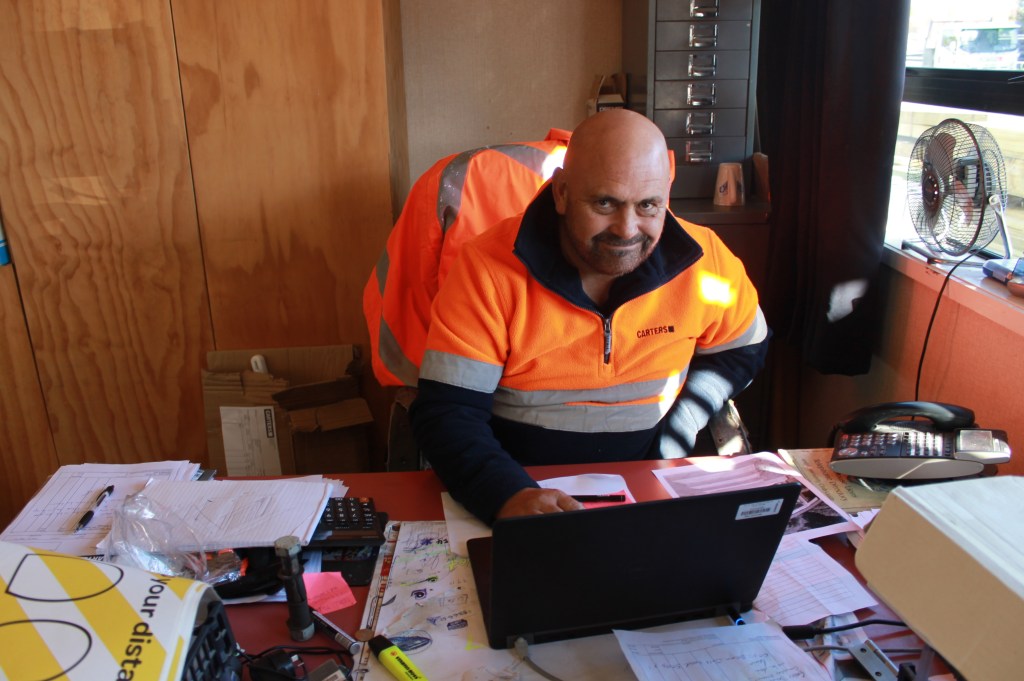
On Friday the 9th of June, Nic met with Elroy Spark from Carters to work on a design for the Waharoa at the entrance of the Whangawehi walkway.

Professional plans are required by Wairoa District Council in order to follow proper building consent processes. The plans should be ready for consideration within 10 working days. In the meantime, affected stakeholders are being engaged to see if they are supportive of the project. The Whangawehi Catchment Management Group would like to thank Elroy and his team at Carters Wairoa for sponsoring this community project.

A big thank you to Wairoa District Council and Hawkes Bay Regional Council staff for their support and guidance on this project

Eastern and Central Charity Trust supports the Whangawehi walkway

On the 28th of May 2020, Rose Artemiev, Community Advisor for Eastern and Central Charity Trust announced that the Trust has approved $170K towards the Whangawehi walkway and agreed to fund an additional $20K grant which will be used specifically to design small bridges as well as a suspension bridge.

A big thank you to the Trustees of ECCT for their support and investment in an infrastructure that will transform Mahia and the wider Wairoa District.

A special thank you from the Whangawehi Community to Rose Artemiev for her patience, dedication and guidance during the application process. We are looking forward to showing you the fruit of your investment.

Walkway planning

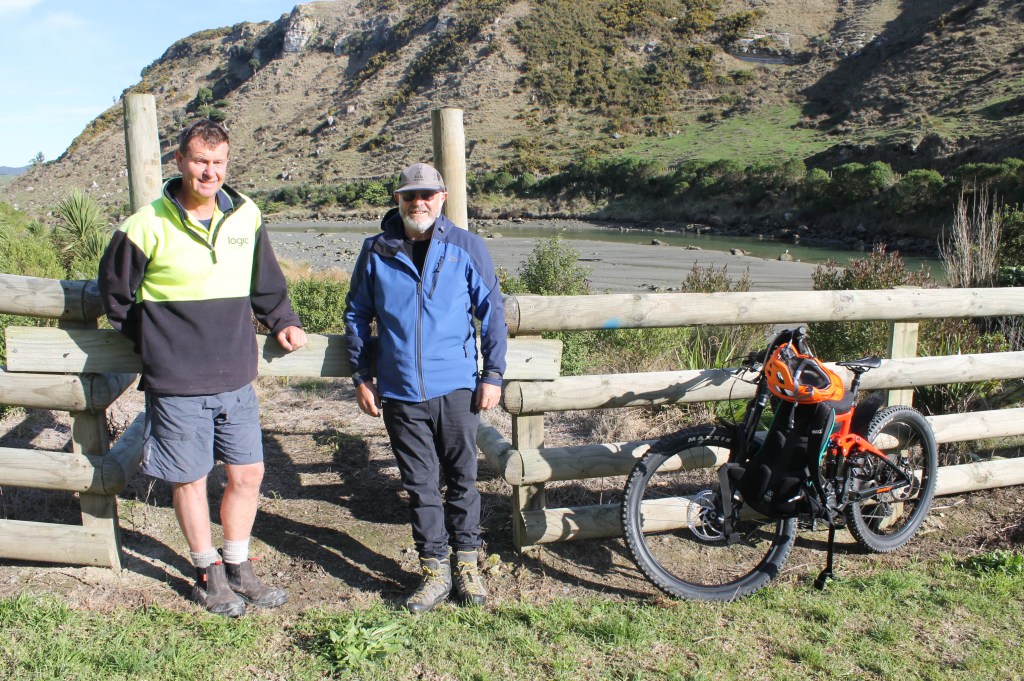
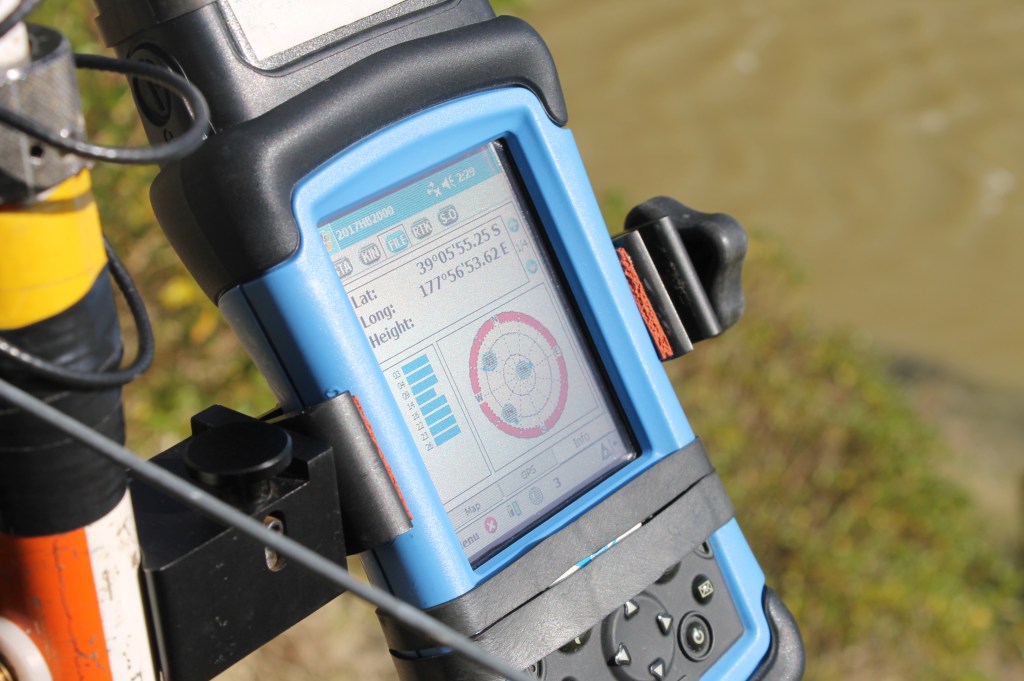
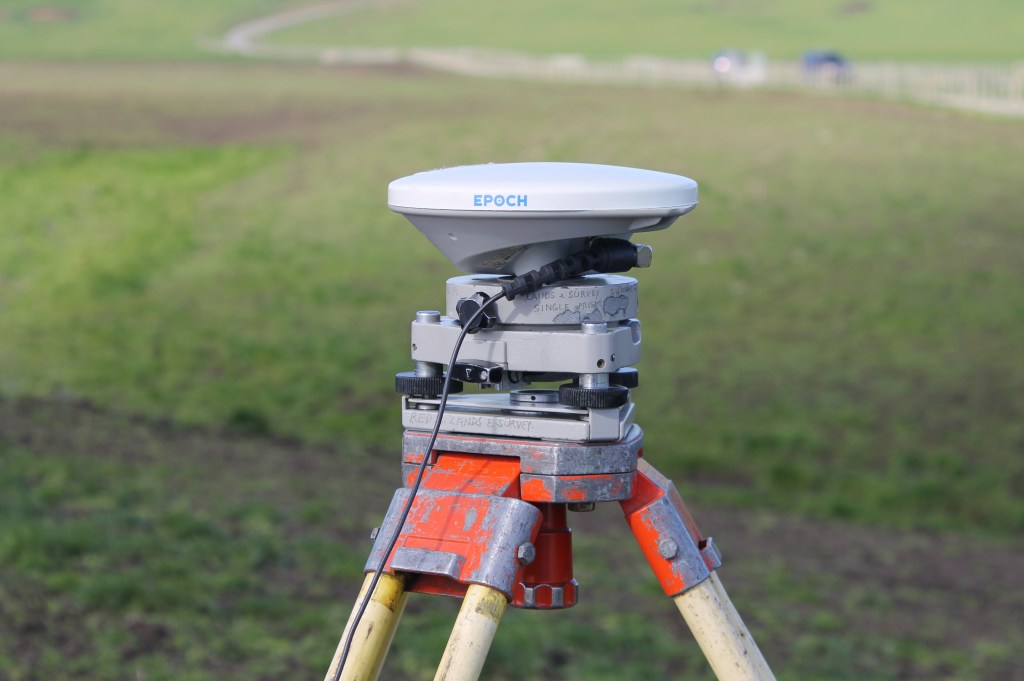
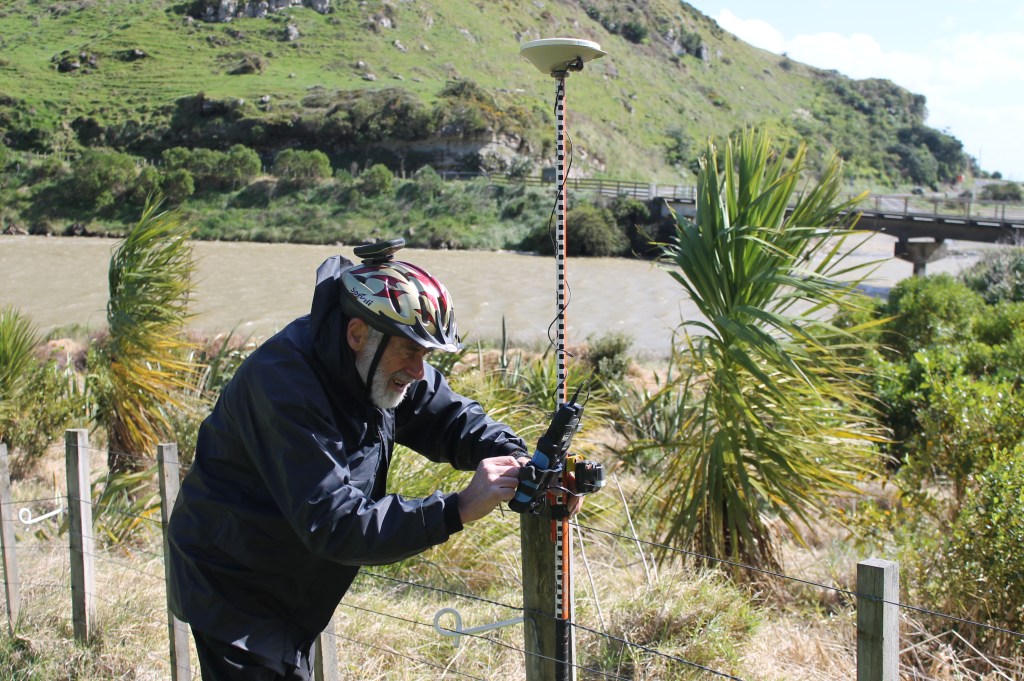
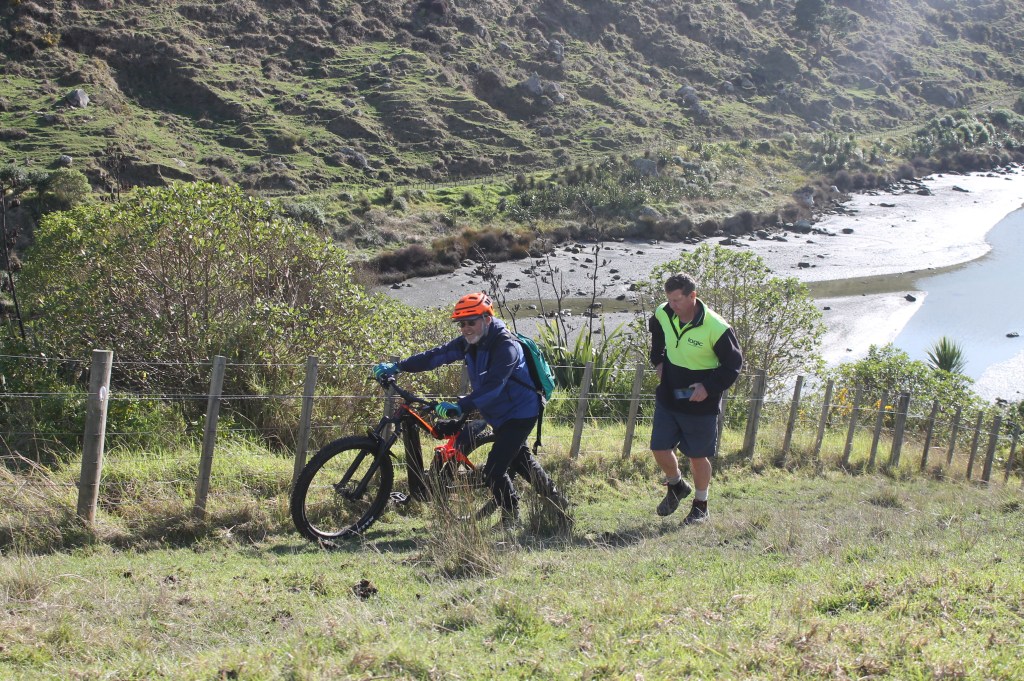
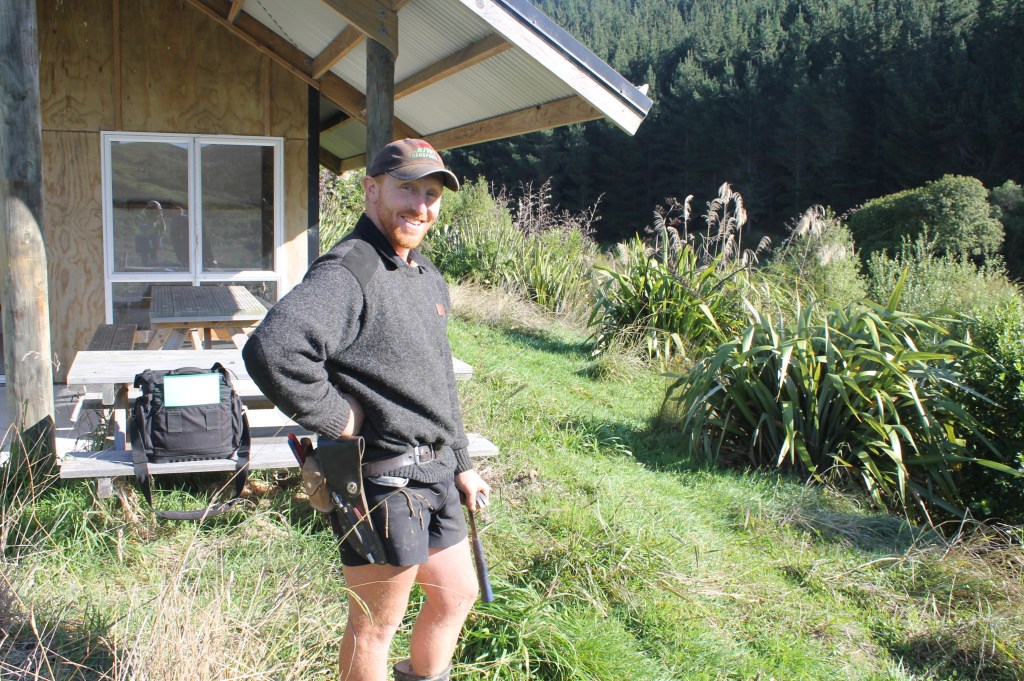
On Friday the 5th of June 2020, Richard Smith from Logic Forest Solutions Limited came to Whangawehi to prepare the design of the layout of the Whangawehi walkway.

Richard and his company have designed a number of tracks around the country and will provide design support to our project. Richard will work on a proposal for the group and will supply us a track specification document. This document will be used to tender the work involved with the construction of the track.

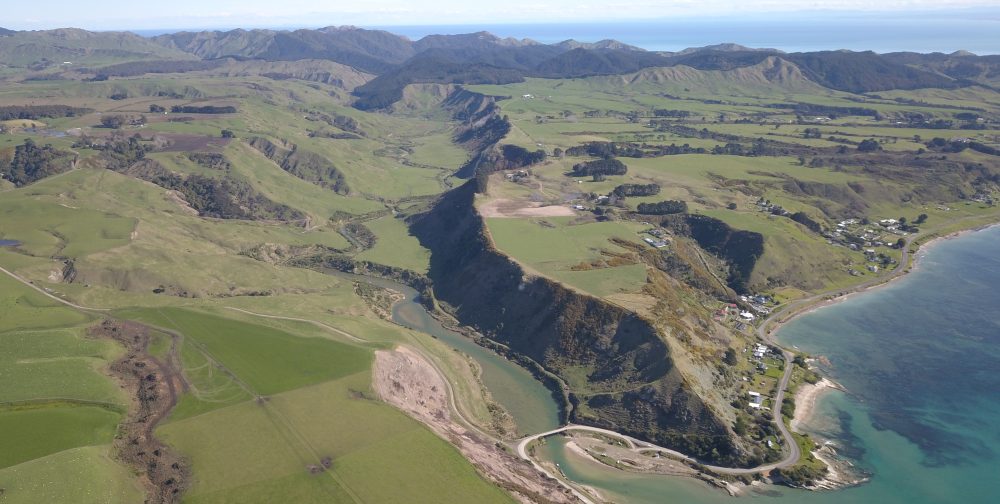
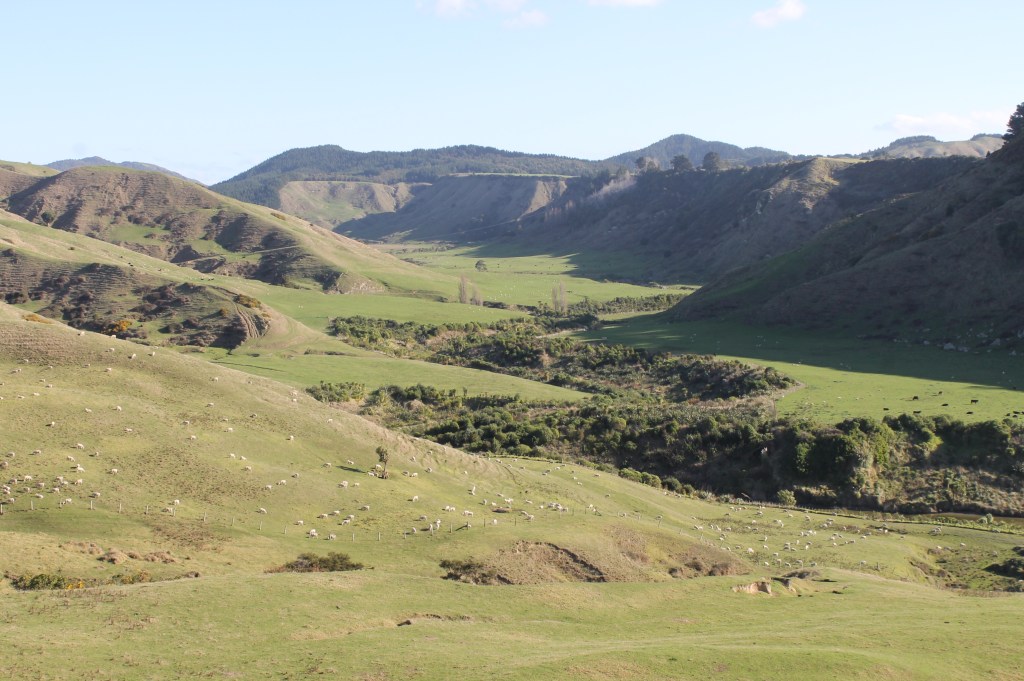
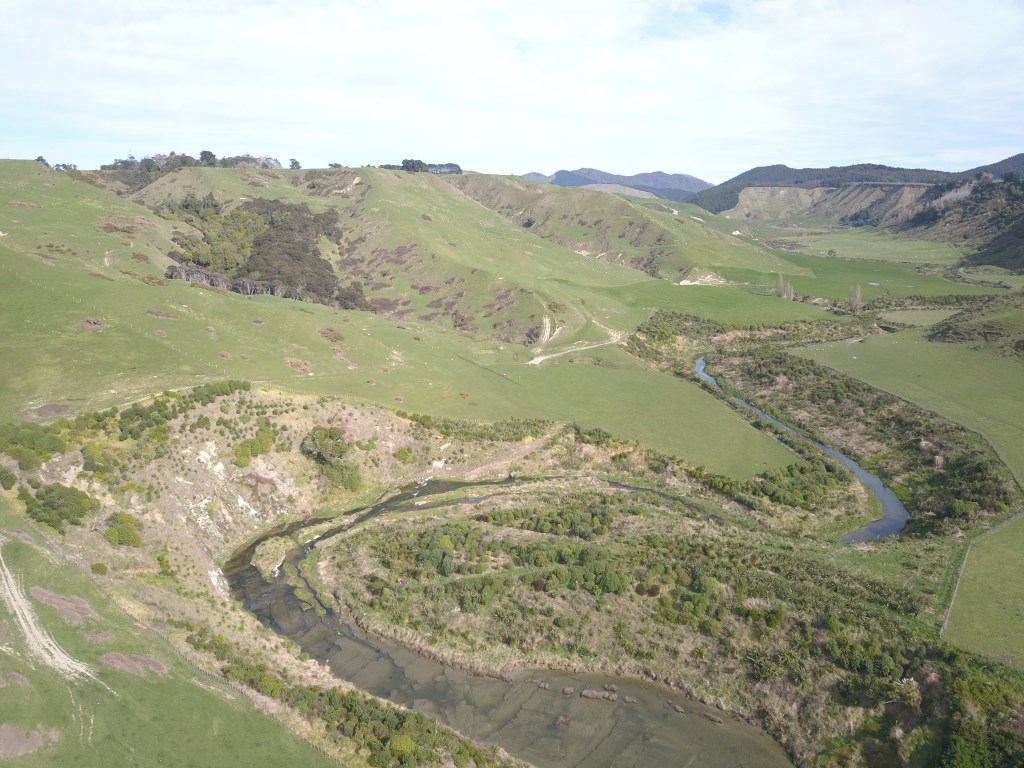
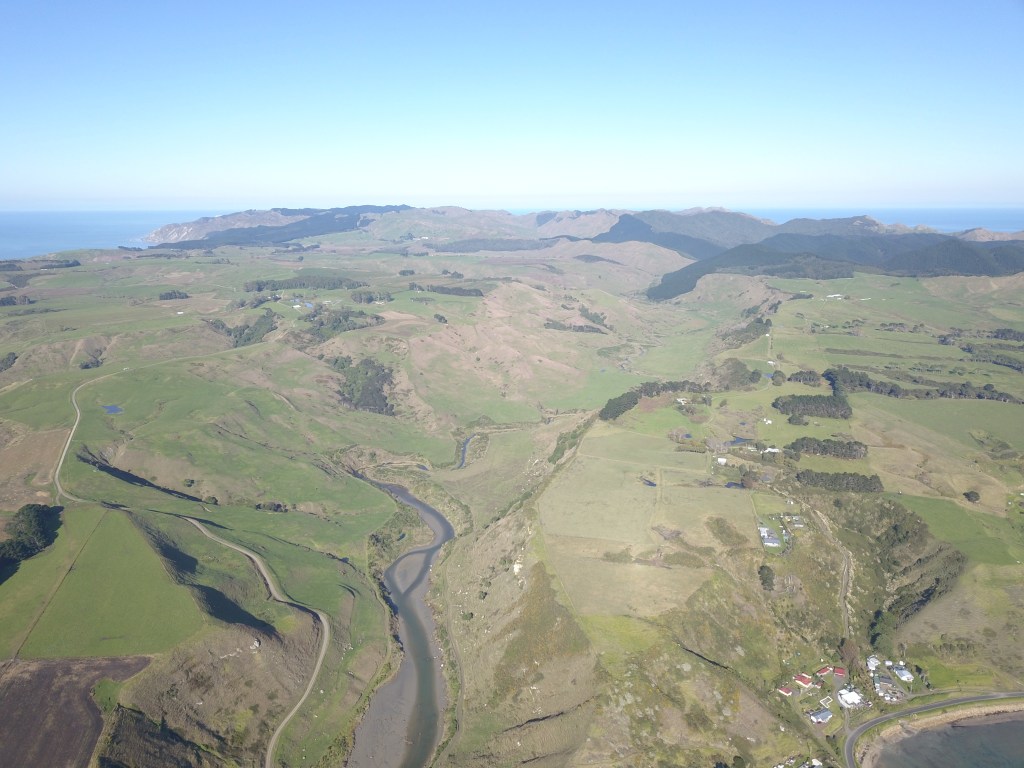
The track will be constructed on the true right of the river and will be located mainly in the retired area to offer a variety of views and also reduce any disturbance with farming operations.

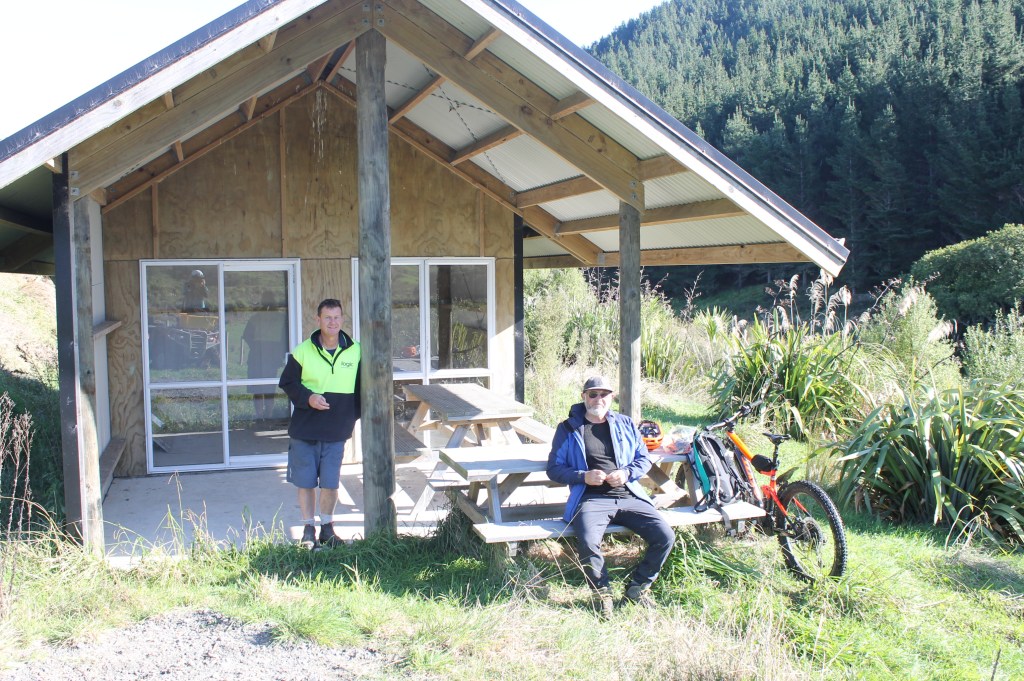
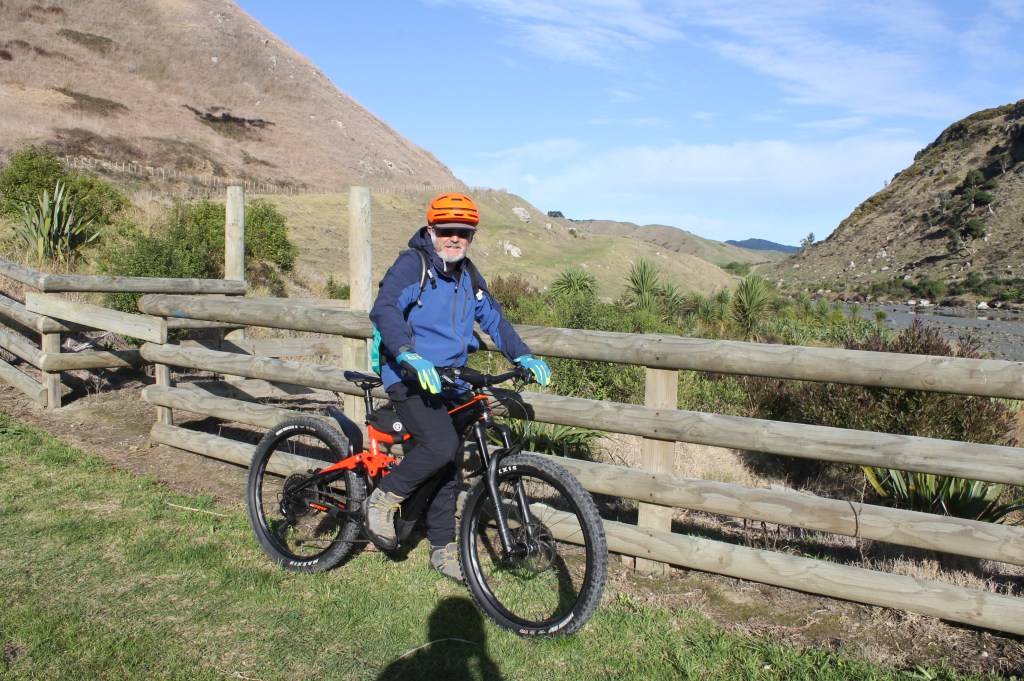
Malcolm Smith couldn’t help himself and took the opportunity to showcase his brand new Ebike on this beautiful part of the catchment.

Gathering along the Whangawehi walkway

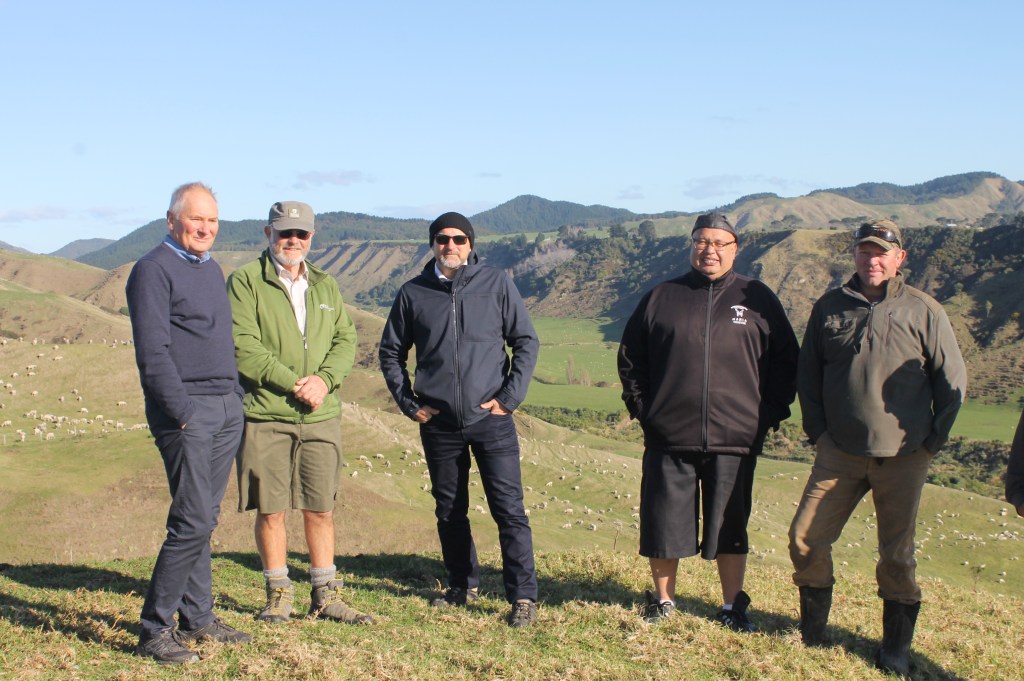
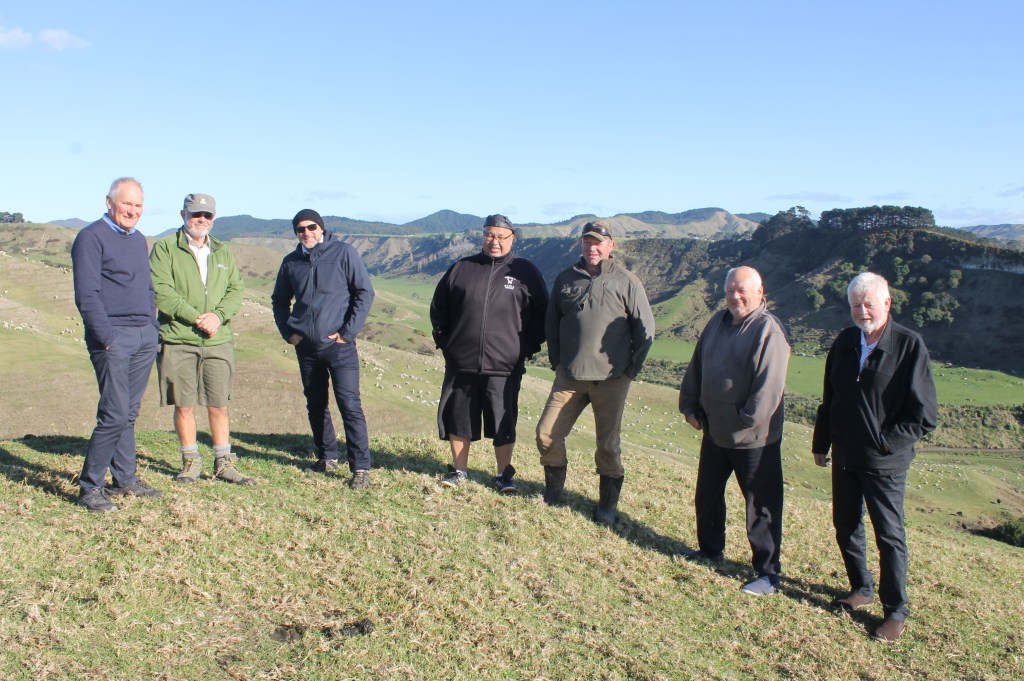
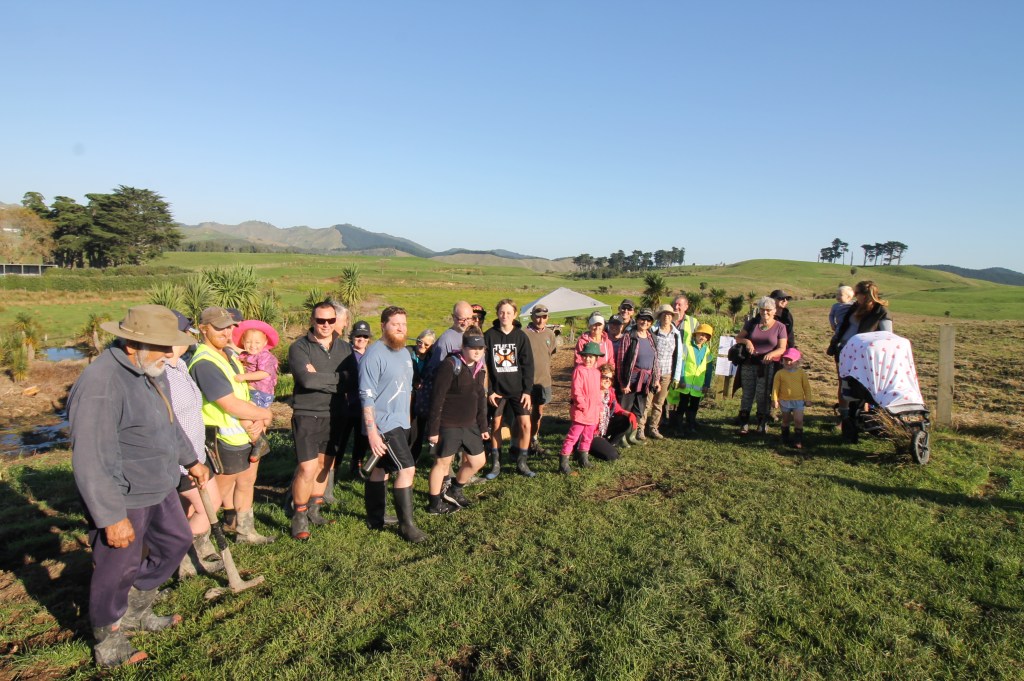
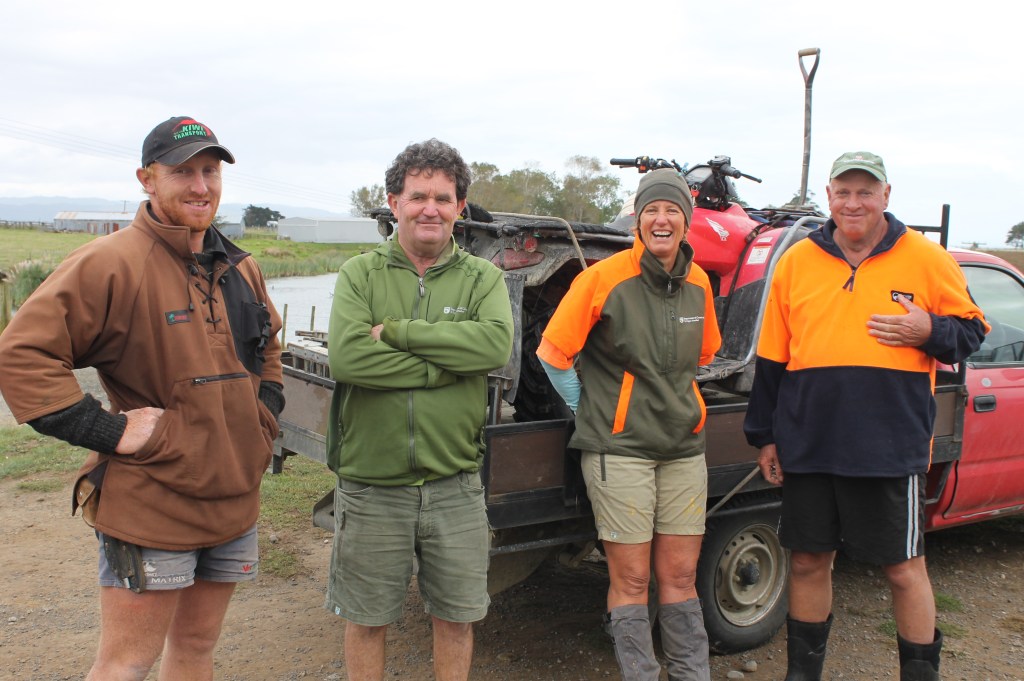
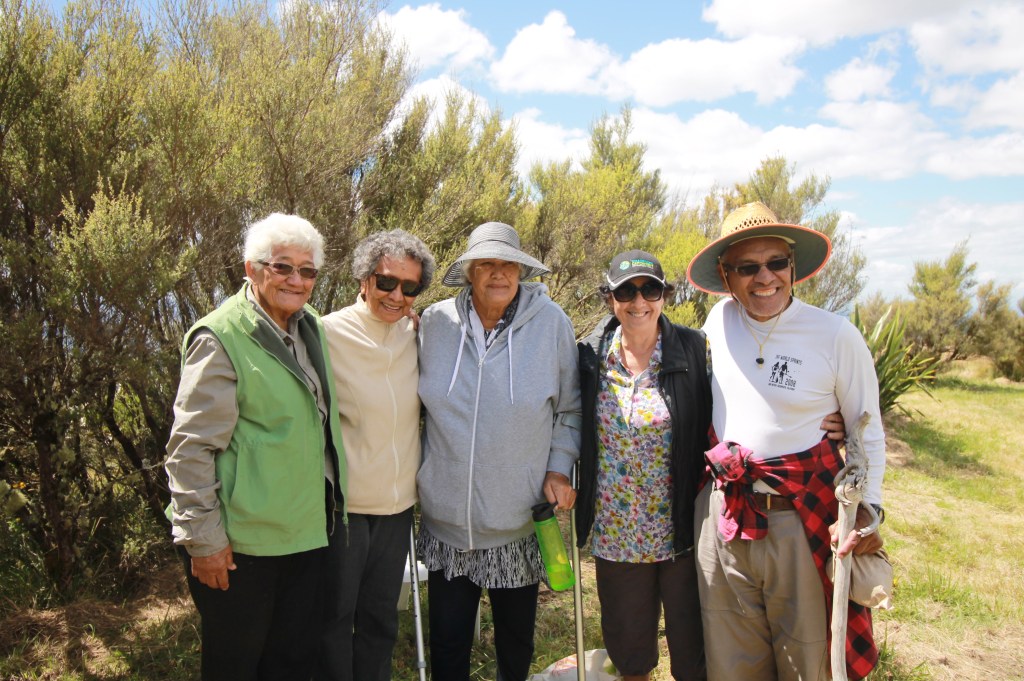
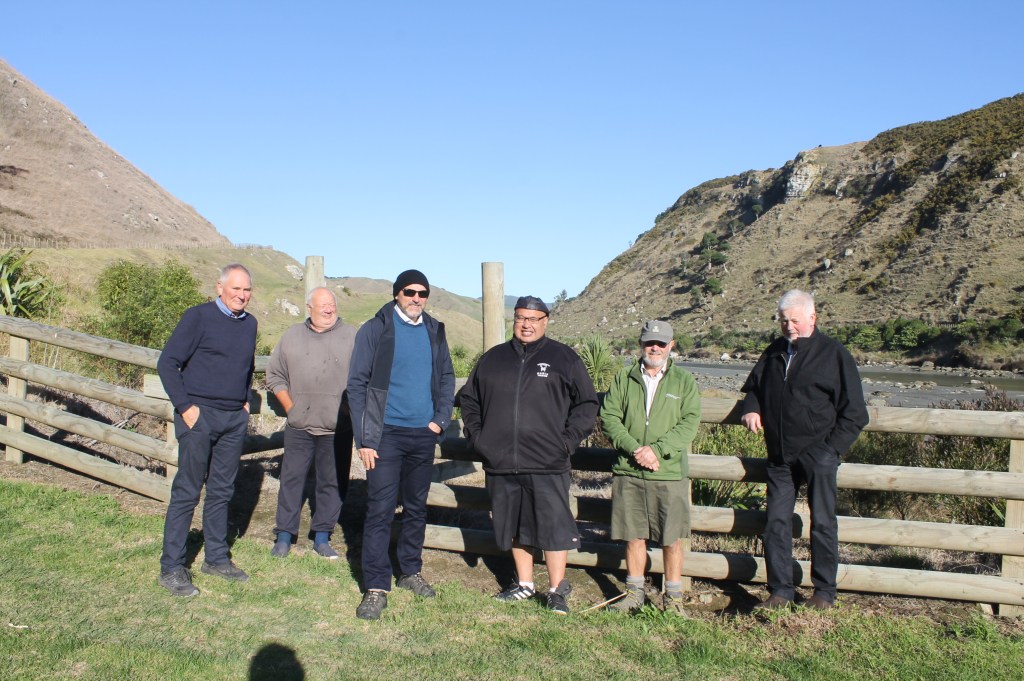
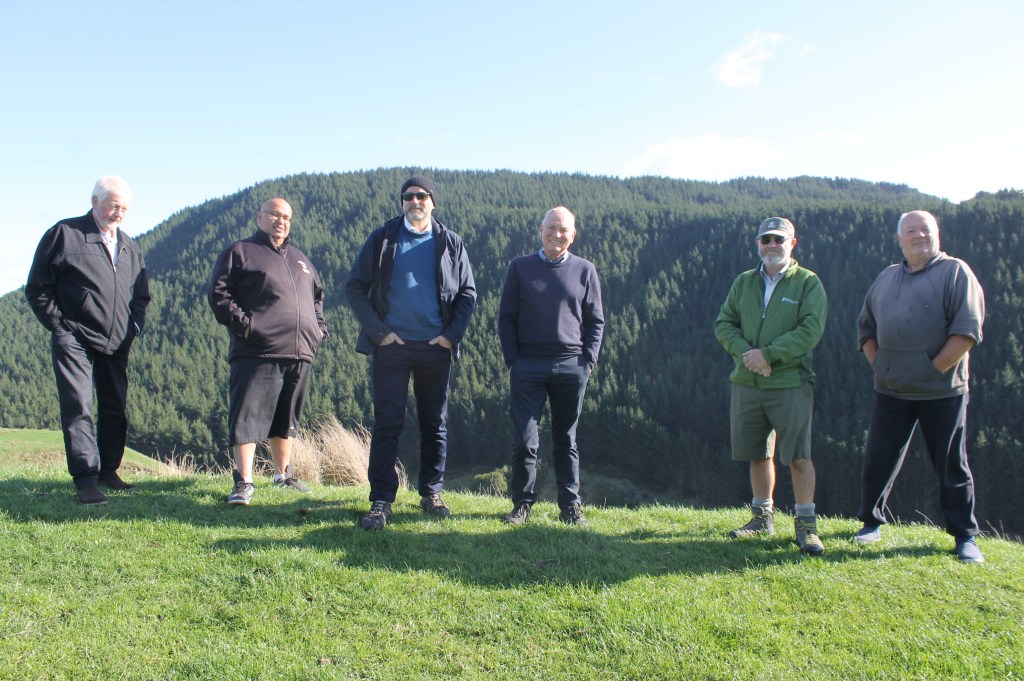
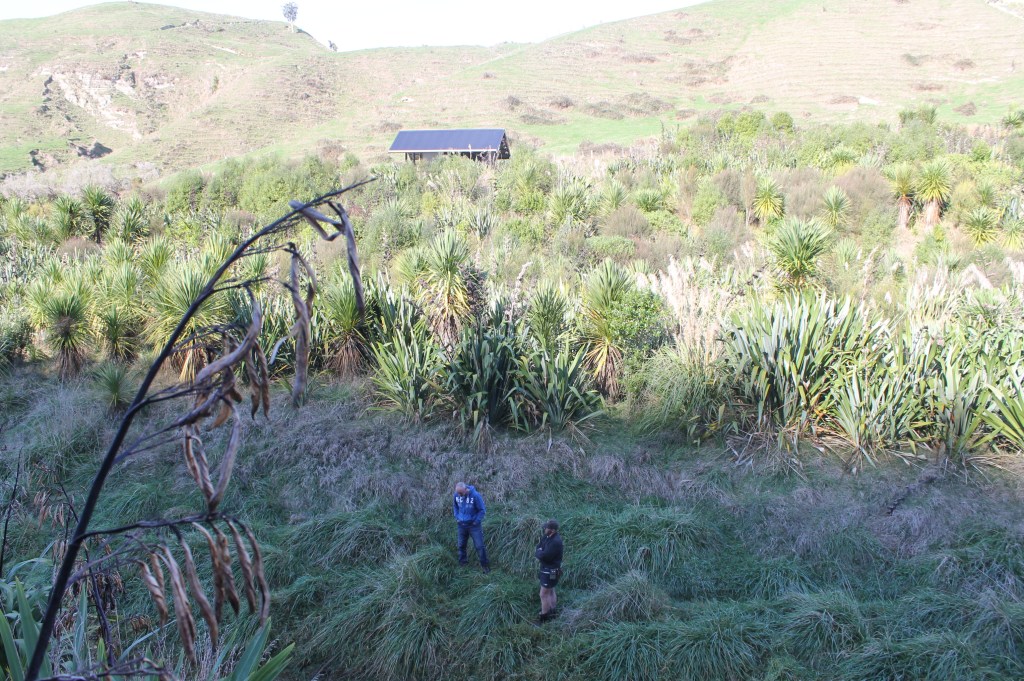
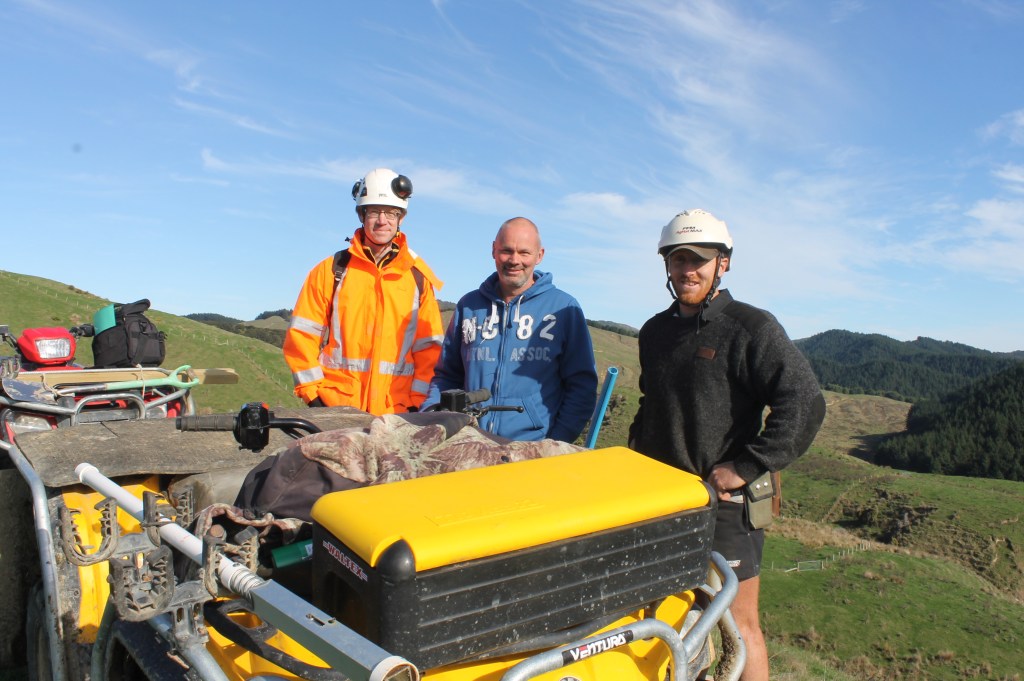
On Thursday the 4th of June 2020, Cameron Osmond (MBIE), Al Morrisson (MBIE), Mo Rongo (RIT), Malcolm Smith (DOC), Craig Little (WDC), Bevan Parker (Pongaroa Station), Arthur Bowen (WCMG) and Nic (WCMG) gathered at the Whangawehi bridge to discuss the up and coming Whangawehi Walkway. The great weather allowed the group to venture onto Taharoa Trust to have a look at a possible suspension bridge site next to the existing hut.

A big thank you to all the participants for their support.

Design work for a suspension bridge along the Whangawehi walkway

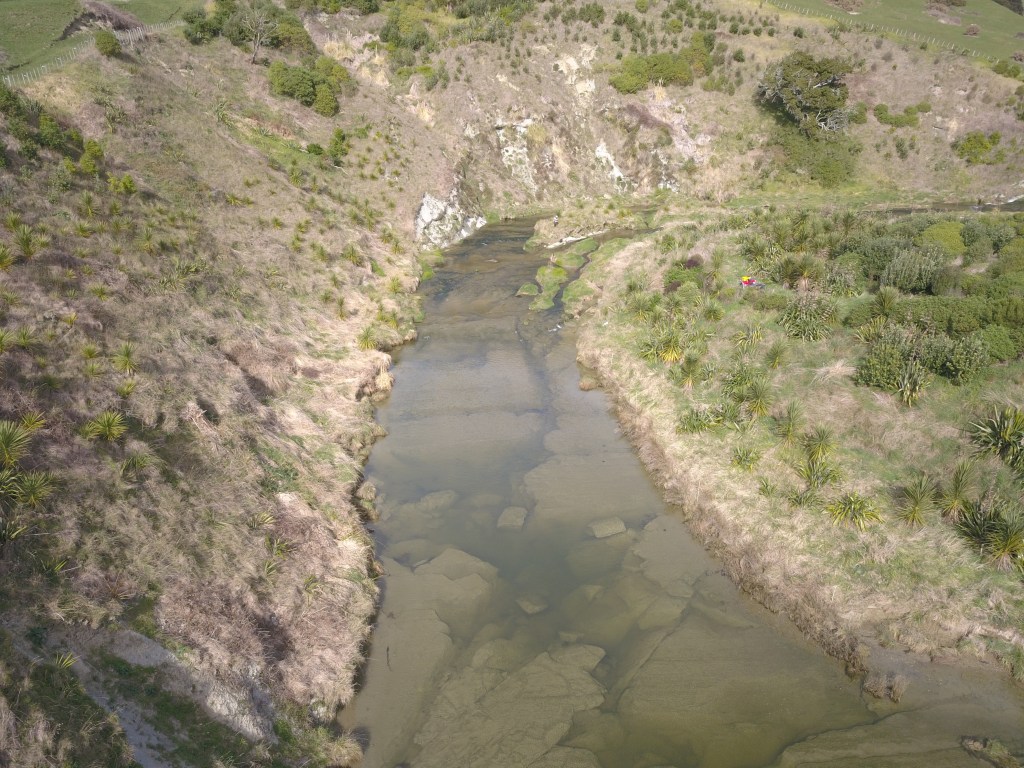
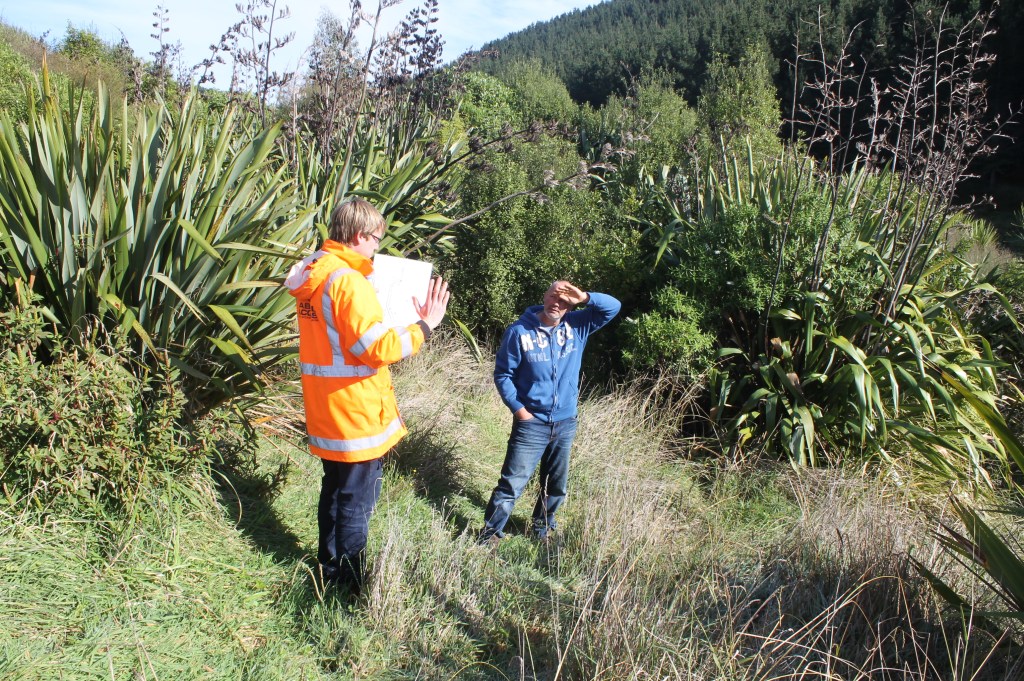
On Friday the30 th of May 2020, a specialized Civil Engineer from Abseil came to have a look at several sites where a suspension bridge will be built along the Whangawehi walkway. This suspension bridge should be built (once funding has been made available) on the Taharoa Trust and will allow trampers and bikers to access Grandy Lake Forest without getting their feet wet !

This bridge will be a statement as it will allow trampers to walk above a beautiful corridor of native trees. The Engineer had a look at several short wooden bridges on Pongaroa station. A big thank you to the landowners for their collaboration.

We are looking forward to receiving the designs and plans to keep the project moving.

We will keep you posted

Whangawehi walkway- scoping work with landowners and DOC

A few days before lockdown, back in April 2020, a small group of Landowners drove along the Whangawehi walkway to scope and discuss the work that will be required. Thanks to the generosity of landowners, the walkway will allow the general public to walk on several farms on an easement following the fenceline on the true right side of the river. The walkway is more or less already in place but the track will receive some upgrades to make it user friendly for trampers and bikers. A big thank you to the landowners and DOC who came to have a look at the project and gave some advice.

Local school children release dung beetles on Mahia Peninsula

From Afternoons with Jesse Mulligan, 1:26 pm on 25 February 2020.

A large number of dung beetles were set loose on the Māhia Peninsula on Tuesday as part of a community initiative to improve the soil quality and manage run off from farm paddocks. 

Local Māhia school children participated as part of the Hills Country Futures project citizen science initiative, run by Whangawehi a group formed to raise awareness of the health of water catchment in the area.  Mahia school children assist with the release of Dung beetles on Mahia Peninsula
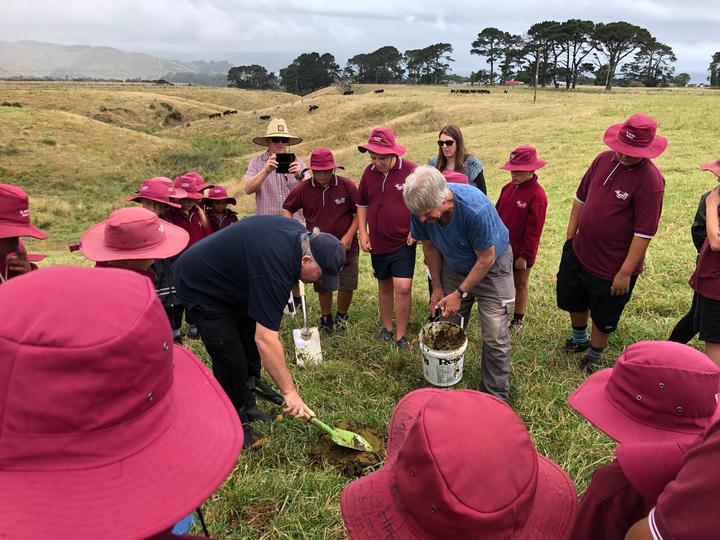
Mahia school children assist with the release of Dung beetles on Mahia Peninsula Photo:

Listen

Otago University emeritus Henrik Moller is one of the scientists who was there today and explains why the beetles are so good for the soil and the water.

He told Jesse Mulligan they released 5000 beetles.

“It was amazing fun, the kids really got into it, there was a fair bit of mayhem and poo flying around.”
The students made “really big poo sandwiches” he said and sealed the beetles between two layers of dung.
The beetles will do vital work, Moller says.

“We need dung beetles, we brought cattle and goats and sheep out here, but we didn’t bring with them the dung beetle fauna that existed where we brought them from, and that means we haven’t had this army of insects to bury and disperse the dung.”

He says the goal is for every farm to have the busy beetles in the paddock.

“Just like earth worms, they build the soil, they put carbon in the soil, the dung beetles build tunnels and then those tunnels act as tubes, build water, and improves the ability of the soil to hold water when drought comes so that’s good for farmers.         “

But most importantly the beetles bury the dung, he says.

“Most of all we’re worried about dung staying in the soil rather than washing off into waterways. Dung beetles attack the problem in the paddocks and reduce the amount that’s reaching those riparian strips. The two systems work really well together.”

Moller says there is little chance of a plague of beetles doing more harm than good.  

“We do have fifteen species of native dung beetle, but they all live in forest and they don’t fly. These introduced species don’t venture into the forest, so we’re really certain there won’t be any unintended consequences.”

He’s calling for a People’s Poo Beetle Movement to have these busy creatures all over Aotearoa, but says despite them breeding quickly we’ll need a lot of them.  

“We need millions upon millions of these things around New Zealand.”

Moller says he saw the beneficial effects of the beetles on a farm in Kaipara just last week.

“I think over 70 percent of the dung, even the fresh ones, had beetles in already, you roll them over and there’d be tunnels underneath it where the beetles have drilled down into the soil and they’ve kind of bulldozed the dung down into it sometimes, there’s be five even eight of these tunnels under each individual pat.”

That farm introduced the beetles five years ago, he says.

“It took five years to build up those numbers on that farm. We need billions of them out there.”